grassleaf rush Care (Juncus marginatus)

Also known as: Grass-leaved Rush
grassleaf rush

About grassleaf rush

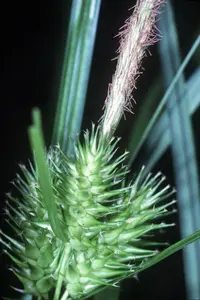
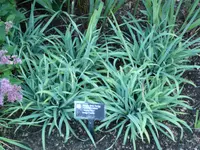
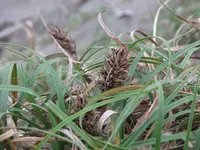
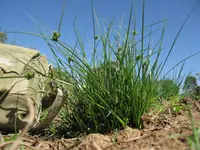
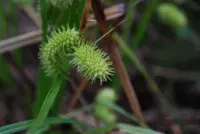
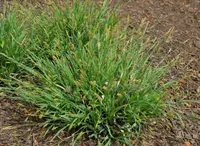
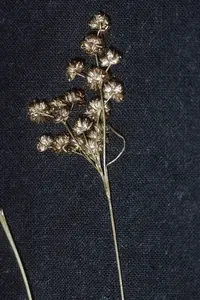
Grassleaf rush, Juncus marginatus, is a clumping wetland perennial often found along pond edges, marshes, and ditches in North America. It forms upright, fine, grass-like stems rather than showy leaves, giving a clean, architectural look. Small, brownish flower clusters appear along the sides or tips of stems, adding subtle texture rather than bold color. This species favors consistently moist to wet soil and tolerates seasonal flooding, which makes it useful for rain gardens or water margins. It is generally hardy and low-maintenance when its moisture needs are met, so learning how to care for grassleaf rush mainly means providing enough water and avoiding very dry sites.

Main Plant Requirements

Care Difficulty

Moderate Care

Light Preference

Full Sun

Water Requirements

Aquatic

Temperature Preference

Cold Hardy

Hardiness Zone

5–9

Soil Texture

Sandy, Loamy, Clay

Soil pH

Acidic (5.5–6.5), Slightly acidic (6.5–7.0)

Soil Drainage

Waterlogged tolerant

Fertilization

Minimal (feed rarely)

Get Personalized Care Plan

Scan your plant to receive care tips personalized for your specific plant

Available on iOS and Android

How to Care for the grassleaf rush

This wetland rush thrives in full sun but tolerates some light shade, especially in hotter regions.

  • Provide 6–8 hours of direct sun daily for strongest, upright growth and dense clumps.
  • Allow partial shade in the afternoon in areas with very hot summers to reduce stress and leaf tip browning on grassleaf rush.
  • Avoid deep shade; if stems elongate, lean, or lose vigor over a season, move to a site with at least 4 hours of direct sun.

This species prefers consistently wet conditions and does not tolerate drying out for long.

  • Maintain soil that stays saturated or very moist; in the ground, the top 0–2 cm should rarely dry out, especially in summer.
  • In boggy beds or pond margins for Juncus marginatus, watch for drooping, yellowing, or crisping tips as signs of underwatering.
  • Watch for foul smell, algae scum, or rotting bases as signs of poor drainage and chronic overwatering in non-bog soils.

This rush is hardy and tolerates a wide temperature range when its root zone stays moist.

  • Optimal growth occurs at 65–80°F (18–27°C), especially during the active spring and summer season.
  • It typically survives winter down to about 0–5°F (-18 to -15°C) when established, dying back above ground but regrowing from the crown.
  • Heat tolerance is good up to about 90–95°F (32–35°C) if water is abundant; drought plus heat greatly increases stress and dieback.

This wetland rush prefers very moist conditions and benefits from higher ambient humidity.

  • Aim for 60–80% humidity, matching its marshy habitat, especially in heated or air‑conditioned rooms.
  • It tolerates brief dips into drier air but edges may brown and tips crisp if kept too dry for long.
  • Watch for rolling, yellowing, or browning leaf tips as humidity stress signs, then increase moisture around grassleaf rush.
  • Increase humidity with nearby trays of water and pebbles, grouped plants, or a humidifier rather than misting leaves.

This species thrives in saturated, organic-rich substrates that stay wet without becoming stagnant indoors or in pots.

  • Use a dense, loamy mix with 50–70% peat or coco coir plus compost to mimic wetland mud while holding water.
  • Add a small portion of sand or fine grit to prevent complete compaction while still allowing the root zone to stay saturated.
  • Maintain soil pH roughly 5.5–7.0, as Juncus marginatus tolerates mildly acidic to neutral conditions without special adjustment.
  • Avoid fast-draining, bark-heavy, or rocky mixes that dry out quickly, and do not allow the root zone to oscillate between soggy and bone-dry.

This rush can be grown in containers if the setup allows consistently saturated, stable conditions.

  • Choose a deep, heavy container that resists tipping when the tall clumps catch wind or are placed in exposed spots.
  • If the pot has drainage holes, stand it in a shallow outer tray or cachepot that can hold several centimeters of water.
  • Use a water-retentive liner or insert inside porous clay pots to slow evaporation and keep the root zone constantly wet.

This wetland rush benefits from light feeding but grows acceptably in nutrient-poor soils.

  • Use a balanced, slow-release fertilizer (around 10-10-10) or thin compost layer in spring for grassleaf rush.
  • Feed outdoor clumps once at the start of the growing season; container plants can receive 1–2 light applications.
  • Dilute liquid fertilizer to 25–50% strength to avoid leaf burn, especially in pots.
  • Skip or greatly reduce feeding in fall and winter when growth slows or stops.

Pruning helps maintain a tidy, upright clump and removes declining growth on Juncus marginatus.

  • Cut back dead, brown, or damaged stems at the base any time they appear, using clean, sharp scissors or pruners.
  • In late winter or early spring, shear back older, sparse clumps to 5–8 cm to encourage fresh, dense shoots.
  • Thin crowded or crossing stems to improve air flow and reduce disease risk in humid sites.
  • Avoid cutting healthy green stems too hard midseason, as this can temporarily reduce vigor and ornamental effect.

This rush is more often transplanted in the landscape than kept long term in containers.

  • Transplant or divide clumps in early spring or early fall when temperatures are mild and soil is moist.
  • Look for roots circling the pot, water draining slowly, or stalled growth as signs container plants need more space.
  • Move to a slightly larger container or wetter planting site, keeping the root ball intact and planting at the same depth.
  • Water thoroughly before and after moving, then keep soil consistently moist for several weeks to minimize root stress.

Juncus marginatus is commonly propagated by clump division or from seed in suitable wet conditions.

  • Divide mature clumps in early spring, lifting and separating sections with healthy roots and several shoots each.
  • Replant divisions immediately into saturated, humus-rich soil, firming gently and watering to remove air pockets.
  • For seeds, sow fresh on the surface of moist substrate, as light aids germination in many rush species.
  • Maintain constant moisture and cool to moderate temperatures (50–70°F) until stable seedlings or new divisions establish.

This species is generally cold hardy in much of its native range and needs little winter intervention in the ground.

  • In colder areas, allow foliage to brown naturally, then cut back dead stems in late winter or early spring.
  • Apply a light mulch layer around outdoor clumps in late fall to buffer freeze–thaw cycles without burying crowns.
  • For container plants in regions below the plant’s hardiness, move pots into an unheated but frost-free space.

Care Tips

Edge Containment

In garden beds or restoration sites, install a shallow plastic or metal edging 10–15 cm deep around plantings to prevent rhizomes from creeping into nearby areas and to keep clumps dense and tidy.

Shallow Water Zoning

When planting along ponds or in rain gardens, place clumps in a distinct shallow-water band (2–8 cm above or below typical water level) to reduce competition with deeper-water species and to stabilize the shoreline more effectively.

Seasonal Cutback Timing

In late winter, cut back old brown stems to 5–8 cm just before new growth starts so that emerging shoots receive full light and air, which keeps stands vigorous and reduces fungal carryover.

Clump Division Rotation

Every 3–4 years, divide only a portion of a large stand and replant the healthiest outer pieces, rotating which sections are divided each cycle to maintain genetic diversity and continuous cover while growing grassleaf rush.

Sediment Management

In constructed wetlands or bioswales, periodically check for silt accumulation around the crowns and gently remove excess sediment so the growing points do not become buried and oxygen-deprived.

Common Pests and Diseases

Spider mites

This pest can appear when grassleaf rush is grown in containers or drier sites, causing fine stippling on stems and threadlike webbing between rush blades.

Solution

Rinse plants thoroughly with a strong stream of water, focusing on stem joints, and repeat weekly until populations drop; in persistent infestations, use an insecticidal soap or horticultural oil labeled for spider mites, applied in the early morning or evening to avoid leaf burn.

Rust fungi

This disease appears as orange to brown powdery pustules or streaks on stems and leaves, often in dense, moist plantings with limited air movement.

Solution

Remove and discard heavily infected stems, avoid overhead watering in container or nursery situations, and thin or divide clumps to improve airflow; if rust recurs, use a labeled fungicide for ornamental grasses and rushes, rotating products to reduce resistance risk.

Leaf spot

This disease causes small water-soaked or brown lesions on culms and leaf-like stems, which can merge into larger dead patches under prolonged warm, wet conditions.

Solution

Cut and discard affected foliage to reduce inoculum, water at the base rather than overhead in managed plantings, and space or divide plants to improve drying; in nursery or high-value settings, apply a broad-spectrum ornamental foliar fungicide according to label directions if new spots continue to develop.

Aphids

These insects cluster on soft shoot tips and stem joints, sucking sap and leaving sticky honeydew that can attract sooty mold on container-grown or nutrient-rich stands.

Solution

Spray plants with a firm stream of water to dislodge colonies and repeat every few days as needed; for persistent infestations, use insecticidal soap or horticultural oil, ensuring full coverage of stems and inner clump areas while avoiding applications during high heat.

Interesting Facts

Native to acidic wetlands

This species is characteristically found in acidic, nutrient-poor wetlands such as bogs, wet savannas, and pond margins across the eastern and south-central United States, often indicating low-pH, low-fertility soils.

Seed bank specialist

Its small seeds can persist in the soil seed bank and germinate rapidly after disturbance, which allows the species to reappear when wetland sites are cleared, burned, or soils are exposed.

Important for wetland fauna

Dense clumps provide structure and cover for small wetland invertebrates and juvenile amphibians, and the plant contributes to shoreline stabilization by helping bind saturated soils with its fibrous root system.

FAQs about grassleaf rush

Brown tips or stems usually result from low moisture, high salts from fertilizer, or prolonged drought. Flush the soil with clean water, reduce fertilizer, and keep the root zone consistently moist without becoming stagnant.

Grow Healthy Plants with Botan Care

Keep your plants happy and healthy with plant identification, disease detection, and easy care guidance.

Botan plant care app — identify plants on mobile

Explore More Plants