Stabilize Shorelines
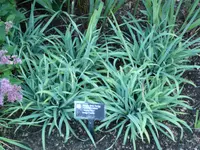
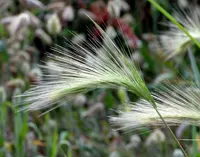
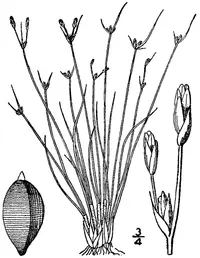
Use this sedge in 3–5 plant wide bands along pond or stream edges to create a dense root mat that reduces erosion and filters runoff before it reaches open water.

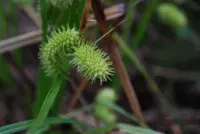
Shallow sedge (Carex lurida) is a clump-forming, grass-like perennial native to wetlands, stream edges, and damp meadows in eastern North America. It is often used in naturalistic plantings and rain gardens.
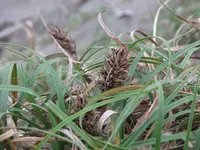
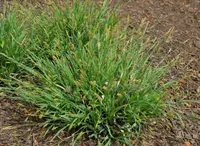
Plants have bright green, arching leaves and dense, bristly flower spikes that give a slightly spiky, textured look. It stays relatively low and spreads slowly by short rhizomes, forming stable clumps rather than aggressive colonies.
Shallow sedge is generally easy to grow if soil stays consistently moist and the site receives at least moderate light. Understanding how to care for shallow sedge mainly involves providing moisture-retentive soil and avoiding very dry, exposed locations.

Care Difficulty
Easy Care

Light Preference
Partial Sun

Water Requirements
Aquatic

Temperature Preference
Cold Hardy

Hardiness Zone
3–8

Soil Texture
Loamy, Clay, Organic-rich

Soil pH
Acidic (5.5–6.5), Slightly acidic (6.5–7.0)

Soil Drainage
Waterlogged tolerant

Fertilization
Minimal (feed rarely)
Scan your plant to receive care tips personalized for your specific plant
Available on iOS and Android
This wetland sedge thrives in bright conditions but avoids the stress of intense, all-day sun.
This species prefers consistently moist to saturated soil and does not tolerate prolonged drying.
This cool-temperate sedge is hardy and adapts to a wide outdoor temperature range.
This wetland sedge prefers steadily moist air but adapts to typical outdoor humidity.
This species prefers consistently wet, organic-rich soil that stays saturated or very moist.
This sedge can grow in containers if moisture is maintained close to bog-like conditions.
Carex lurida grows well in average to moist soils and usually needs only light feeding.
Carex lurida benefits from simple cleanup pruning to keep clumps healthy and neat.
This sedge is usually grown in the ground, so transplanting matters more than container repotting.
Carex lurida is most reliably propagated by division, with seed used mainly for larger restoration plantings.
This cold-hardy sedge usually needs minimal winter care in the ground across most temperate climates.

Plant Health Check
Not sure what's wrong with your plant? Check your plant's health inside the app.
The fruits of this species are enclosed in inflated, spiny perigynia that give flowering and fruiting clumps a noticeably bristly or bur-like appearance compared with many other sedges.
This sedge is considered an obligate or near-obligate wetland plant in much of eastern North America, meaning it is found almost exclusively in marshes, swamps, wet meadows, and saturated ditches.
Its dense tussocks and persistent foliage provide microhabitat and cover for amphibians and invertebrates in shallow water zones, and the seeds are eaten by various wetland birds and small mammals.

Carex lurida often forms nearly monospecific bands along the edges of ponds and slow streams, visually marking subtle water-level gradients where soils remain saturated longer than surrounding ground yet are not permanently submerged.
This species spreads by short rhizomes and self-seeding, forming dense clumps over time. In typical garden settings it is not strongly invasive, but in consistently wet soils it can naturalize and gradually occupy open, muddy areas.
Keep your plants happy and healthy with plant identification, disease detection, and easy care guidance.