Early support training
Install a sturdy trellis or wire panel at planting time and tie young stems loosely with soft ties so the vine learns its climbing direction and does not kink or break as it thickens.

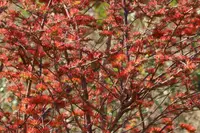
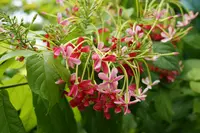
Combretum lecardii is a vigorous woody climber known for its striking red tubular flowers held in dense clusters, often called burning bush combretum. It typically scrambles over supports or nearby vegetation, creating a bright, showy display when in bloom.
This species is native to parts of tropical Africa, where it grows in warm, sunny habitats with a pronounced dry season. In cultivation it prefers a bright, frost-free position, well-drained soil, and regular moisture during active growth.
Gardeners who want to care for Combretum lecardii should know it grows fast, needs strong support, and can be demanding in cooler or very humid climates.

Care Difficulty
Moderate Care

Light Preference
Full Sun

Water Requirements
Regular Water

Temperature Preference
Tropical / Frost Sensitive

Hardiness Zone
10–11

Soil Texture
Sandy, Loamy, Organic-rich

Soil pH
Acidic (5.5–6.5), Slightly acidic (6.5–7.0)

Soil Drainage
Moist but well-drained

Fertilization
Light (every 4–6 weeks)
Scan your plant to receive care tips personalized for your specific plant
Available on iOS and Android
This sun-loving climber thrives in warm, bright conditions typical of subtropical gardens.
Watering should support steady growth without leaving the roots in saturated soil.
This species prefers warm, frost-free conditions and responds poorly to cold snaps.
This species prefers moderately humid air but usually tolerates typical home conditions if not kept too hot or dry.
Combretum lecardii grows best in loose, well‑structured, sharply drained soil that still holds some organic moisture.
This species is suitable for container growing if the pot is chosen to balance drainage, root space, and vine support.
Nutrient support improves flowering and growth for Combretum lecardii in containers or poor soils.
Thoughtful pruning keeps Combretum lecardii manageable and encourages flowering wood.
This vigorous climber is usually grown in the ground, with transplanting done infrequently but carefully.
Combretum lecardii is most often propagated from semi-hardwood cuttings or seeds under warm conditions.
This species is frost sensitive and needs protection in regions with cold winters.

Plant Health Check
Not sure what's wrong with your plant? Check your plant's health inside the app.
This species naturally grows as a woody climber and scrambling shrub along rocky riverbanks and forest margins in central Africa, using nearby vegetation and rocks for support rather than forming a free‑standing tree.
After flowering, it produces small, dry fruits with four narrow wings along their length, a characteristic feature of the Combretum genus that likely assists with wind dispersal and movement in flowing water.
In its native range, it is associated with seasonally flooded or high-moisture sites, showing good tolerance to fluctuating soil moisture as long as the substrate drains well between wet periods.
Lack of flowers usually comes from insufficient light, low nutrients, or pruning at the wrong time that removes flowering wood. Also avoid heavy nitrogen fertiliser, which pushes leafy growth instead of blooms, and keep the plant stress-free.
Keep your plants happy and healthy with plant identification, disease detection, and easy care guidance.