Robust support system
Install a strong trellis, pergola, or wire framework before vines get long, then loosely tie new shoots with soft ties so the heavy woody stems and large flower clusters are supported and do not tear in wind or rain.

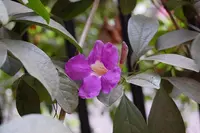
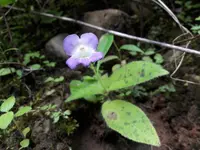
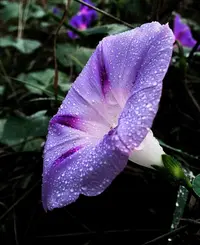
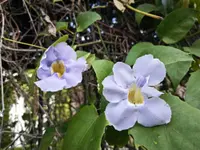
Glowvine, Bignonia magnifica, is a vigorous tropical vine grown mainly for its large, trumpet-shaped purple flowers and lush, glossy foliage. It is typically used on trellises, fences, or pergolas where it can climb and form a dense floral screen.
This species comes from warm, humid regions of Central and South America, so it thrives in bright light, warmth, and evenly moist but well-drained soil. It is best suited to outdoor cultivation in frost-free climates or large containers that can be moved under protection.
For gardeners who want to learn how to care for Glowvine, it is considered moderately easy, provided it receives enough light, support for climbing, and protection from cold temperatures.

Care Difficulty
Moderate Care

Light Preference
Full Sun

Water Requirements
Regular Water

Temperature Preference
Tropical / Frost Sensitive

Hardiness Zone
10–11

Soil Texture
Sandy, Loamy, Organic-rich

Soil pH
Acidic (5.5–6.5), Slightly acidic (6.5–7.0)

Soil Drainage
Moist but well-drained

Fertilization
Light (every 4–6 weeks)
Scan your plant to receive care tips personalized for your specific plant
Available on iOS and Android
This vigorous climber prefers bright, warm conditions to flower heavily outdoors.
This vine prefers evenly moist, well-drained soil rather than constant wetness.
This tropical vine grows best in warm, frost-free climates with mild seasonal shifts.
This vigorous climber benefits from moderately humid air but adapts to many home conditions.
This vine performs best in loose, fast-draining, organically enriched soil that still holds some moisture.
This species is suitable for large, sturdy containers when given strong support for climbing.
Bignonia magnifica benefits from moderate feeding during its active growing season to support vigorous vine growth and flowering.
Bignonia magnifica responds well to structured pruning that controls size and encourages abundant blooms on strong new growth.
This vigorous climber is usually grown in the ground, but container specimens or young plants benefit from careful transplanting to support long-term growth.
New Bignonia magnifica plants are most reliably produced from semi-ripe cuttings, with seeds and layering as secondary options for patient growers.
This tropical vine is frost sensitive and needs thoughtful winter care in regions with temperatures below about 40°F.

Plant Health Check
Not sure what's wrong with your plant? Check your plant's health inside the app.
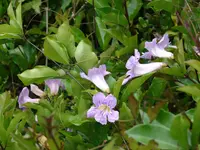
This species produces large, trumpet-shaped flowers in dense terminal clusters, creating a striking display of purple to lavender blooms that can nearly cover the vine when conditions are favorable.
It climbs by twining its long, woody stems around supports rather than using tendrils or adhesive pads, which makes it well suited to pergolas, sturdy trellises, and fences in frost-free gardens.
Native to tropical regions of South America, it is grown mainly as an ornamental vine in subtropical and tropical landscapes, thriving in consistently warm temperatures and high light in outdoor settings.
Poor flowering usually comes from insufficient maturity, inadequate warmth, or lack of phosphorus and potassium. Heavy pruning at the wrong time can also remove flowering wood. Ensure strong light, a balanced fertilizer with bloom support, and only light shaping after flowering.
Keep your plants happy and healthy with plant identification, disease detection, and easy care guidance.