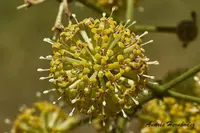
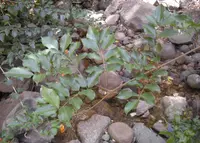
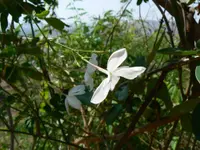
lavender trumpet vine Care (Bignonia callistegioides)

Also known as: Argentine trumpet vine
lavender trumpet vine

About lavender trumpet vine

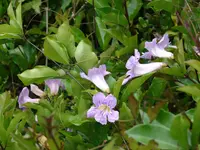
Lavender trumpet vine, Bignonia callistegioides, is a vigorous evergreen climber grown mainly for its showy lavender to purple, trumpet-shaped flowers. It typically scrambles over fences, trellises, or walls, forming a dense curtain of foliage and blooms in suitable climates.

This species is native to parts of South America, where it thrives in warm, sunny conditions with mild winters. It prefers well-drained soil and benefits from consistent moisture during active growth, though it dislikes soggy ground.

Gardeners who want to care for lavender trumpet vine should note that it grows quickly and needs structural support and occasional pruning to keep it in bounds. In suitable outdoor conditions, it is generally considered a robust but manageable ornamental vine.

Main Plant Requirements

Care Difficulty

Moderate Care

Light Preference

Full Sun

Water Requirements

Moderate Water

Temperature Preference

Warm Climate

Hardiness Zone

9–11

Soil Texture

Sandy, Loamy, Organic-rich

Soil pH

Slightly acidic (6.5–7.0), Neutral (7.0)

Soil Drainage

Well-drained

Fertilization

Minimal (feed rarely)

Get Personalized Care Plan

Scan your plant to receive care tips personalized for your specific plant

Available on iOS and Android

How to Care for the lavender trumpet vine

This vigorous climber needs plenty of direct light to flower well outdoors.

  • Provide 6–8 hours of sun daily, with morning sun and light afternoon shade ideal for lavender trumpet vine in hot summer regions.
  • In very hot climates, protect from harsh west-facing afternoon sun to prevent leaf scorch and faded blooms; use dappled shade from nearby trees or structures.
  • In cooler climates, place in full sun all day; reduced light leads to fewer flowers, longer internodes, and a sparse, stretched appearance.

This vine prefers evenly moist but well-drained soil once established.

  • Water when the top 3–5 cm of soil feels dry, soaking the root zone deeply rather than giving frequent light splashes.
  • During hot, dry periods, check soil every 2–3 days; in cooler or rainy seasons, extend intervals and rely more on natural rainfall.
  • Use free-draining soil to avoid waterlogged roots; yellowing, soft leaves suggest overwatering, while dull, curling leaves and dry stems indicate underwatering in Bignonia callistegioides.

This subtropical climber thrives in warm, frost-free conditions outdoors.

  • Optimal growth occurs around 65–85°F (18–29°C), with strongest flowering in consistently warm late spring and summer weather.
  • It tolerates brief drops to about 28–30°F (-2 to -1°C) but young shoots and buds are easily damaged; repeated frost can kill branches.
  • In very hot periods above 95°F (35°C), provide mulch and consistent soil moisture to protect roots and reduce stress, especially in exposed sites.

This vine tolerates a wide humidity range and usually does not need special humidity management outdoors.

  • Performs well at 30–60% humidity, similar to typical outdoor air in many regions.
  • Tolerates short dry-air spells; prolonged very dry, hot winds may cause leaf edges to brown and flower buds to drop.
  • In very dry, exposed sites, group plants near other vegetation or use a nearby mulched bed to slightly buffer humidity around foliage.

This climbing vine prefers moderately fertile, well-structured soil that drains freely yet holds some moisture.

  • Use a loamy or sandy-loam soil with 20–30% organic matter from compost to support root growth and flowering.
  • Ensure fast drainage; mix in coarse sand or fine gravel where native soil is heavy clay to prevent waterlogging and root rot.
  • Aim for a slightly acidic to neutral pH of about 6.0–7.5, which suits Bignonia callistegioides in most garden settings.
  • Raise beds or plant on a gentle slope if site drainage is poor, and avoid low spots where water pools after rain.

This species can grow successfully in containers if the pot is chosen and managed for its vigorous, climbing habit.

  • Select a wide, heavy container that resists tipping when the vine is trained up a trellis or support.
  • Use a deep pot so the root system can anchor the plant firmly and better tolerate wind on exposed patios.
  • Choose a slightly porous material such as unglazed clay if extra evaporation is needed to prevent the mix staying wet for long periods.

Bignonia callistegioides responds well to modest, structured feeding during the active growing season.

  • Apply a balanced slow-release fertilizer (around 10-10-10) in early spring to support new growth and flowering.
  • Supplement with a diluted liquid balanced NPK feed at 1/2 strength every 4–6 weeks through late summer.
  • Use a light layer of compost over the root zone once a year to improve soil structure and nutrient levels.
  • Stop feeding in fall and winter to allow lavender trumpet vine to rest and avoid soft, cold-sensitive growth.

Pruning helps keep Bignonia callistegioides within bounds and maintains strong flowering wood.

  • Carry out main pruning in late winter or very early spring before new growth starts.
  • Remove dead, damaged, or crossing stems first, then thin congested growth to improve light and air flow.
  • Shorten overly long shoots to shape the vine and encourage more flowering side branches.
  • Use sharp, clean bypass pruners and make angled cuts just above a healthy bud or side shoot.

This vigorous climber is more often transplanted outdoors than kept long term in containers.

  • Plan major transplanting for late winter or early spring, while the plant is still relatively dormant.
  • Look for roots circling the pot, water running straight through, or slowing growth as signs a container plant needs more space.
  • Shift to a container 1–2 sizes larger or a prepared ground site with well-drained soil and a strong support structure.
  • Water thoroughly before and after moving, keep roots shaded and moist during work, and trim minor root damage to reduce stress.

Bignonia callistegioides is commonly propagated from semi-ripe cuttings and sometimes from seed.

  • Take semi-ripe stem cuttings in late spring to midsummer, 8–12 cm long, with 2–3 nodes.
  • Remove lower leaves, dip the cut end in rooting hormone, and place in a moist, free-draining medium such as perlite and peat or coco coir.
  • Keep cuttings in bright, indirect light at 70–75°F with high humidity until roots form.
  • Sow fresh seeds in spring in a warm, bright place, lightly covered, and keep the mix evenly moist until germination.

In mild climates this vine is fairly tolerant of light frosts but benefits from simple winter precautions in colder areas.

  • Hardiness is roughly to USDA zone 9; repeated freezes below about 25°F can damage stems.
  • Apply a 5–8 cm layer of organic mulch around the root zone in late fall, keeping it away from the main stem.
  • In colder regions, grow B. callistegioides in large containers and move indoors to a cool, bright, frost-free space for winter.
  • Tie stems securely to supports before winter winds and avoid heavy pruning just before severe cold snaps.

Care Tips

Early vine training

Install a sturdy trellis or wire system before planting and loosely tie new shoots with soft garden ties, guiding 1–3 main stems to become permanent leaders for a well-structured, long-lived vine.

Support inspection schedule

Inspect anchors, wires, and trellis joints at least twice a year, tightening or replacing weak hardware so the mature vine does not tear away from walls or posts during storms.

Targeted shoot thinning

Each late winter, remove a portion of the oldest, most congested stems at the base to open the framework, improving air movement and reducing fungal issues while encouraging vigorous new flowering growth.

Root zone protection

Maintain a 5–8 cm layer of undecorated organic mulch over the root zone, keeping it 5–8 cm away from the stem collar, to stabilize soil temperature and reduce stress during heat or cold spells when growing lavender trumpet vine.

Preventive pest scouting

From spring through early fall, check the undersides of leaves and young shoots every 2–3 weeks for scale, aphids, or mite webbing and treat early with targeted, label-approved products before populations build up.

Common Pests and Diseases

Aphids

These insects cluster on new shoots and flower buds, sucking sap and causing curling, distortion, and sticky honeydew on foliage and stems.

Solution

Prune off heavily infested shoot tips, then hose down remaining vines with a strong stream of water every few days to dislodge colonies. If needed, apply insecticidal soap or a light horticultural oil to all leaf surfaces in the early morning, repeating as directed until populations collapse, and encourage natural predators such as lady beetles by avoiding broad-spectrum insecticides.

Leaf miners

These insects create winding, pale tunnels inside leaves, which can reduce photosynthesis and cause premature leaf drop on young or stressed vines.

Solution

Remove and dispose of mined leaves as soon as damage appears to reduce larval numbers. For persistent problems, use a systemic insecticide labeled for ornamental vines or a spinosad-based product according to label directions, and keep the plant well watered and fertilized so it can replace damaged foliage quickly.

Spider mites

These pests thrive in hot, dry conditions, causing stippled, dull leaves, fine webbing on stems, and gradual thinning of the vine canopy.

Solution

Increase humidity around the plant and spray the foliage thoroughly with a strong jet of water, focusing on leaf undersides, several times per week. When populations remain high, apply insecticidal soap or a horticultural oil at labeled rates, repeating at 5–7 day intervals, and avoid water stress, which makes the vine more susceptible.

Powdery mildew

This disease produces white, powdery patches on leaves and young stems, which can lead to yellowing, distortion, and premature leaf drop in shaded or crowded plantings.

Solution

Improve air circulation by thinning dense stems and avoid overhead watering late in the day so foliage dries quickly. Remove and discard heavily infected leaves, then apply a fungicide labeled for powdery mildew on ornamental vines, such as a sulfur or potassium bicarbonate product, following label directions and treating at the first sign of symptoms.

Leaf spot

Symptoms include small brown to purple lesions on leaves that may merge into larger blotches, especially in humid or poorly ventilated sites, sometimes causing partial defoliation on older foliage.

Solution

Clear fallen leaves from around the base to reduce inoculum, and water at soil level rather than on the foliage. If spotting spreads, prune to open the canopy and consider a copper-based fungicide or chlorothalonil product labeled for ornamental vines, applied at the first signs of spotting and repeated as recommended in the product instructions for effective Bignonia callistegioides plant care.

Interesting Facts

Natural rock climber

This vine naturally occurs on rocky slopes and cliff faces in Argentina, using its twining stems to anchor into cracks and rough surfaces rather than relying on specialized tendrils or aerial roots.

Cool-season blooming habit

In mild climates it tends to flower most heavily from late winter into spring, providing lavender-purple trumpets at a time when many warm-season vines are still dormant.

Urban-tolerant foliage

The leathery, evergreen leaves show good tolerance to urban conditions such as reflected heat and moderate air pollution, which helps explain its popularity on walls and pergolas in city landscapes.

Botan icon

Did you know?

This species was originally described in the genus Bignonia but has been moved by botanists into the genus Clytostoma or placed in related groups in some classifications, so its scientific placement has changed as plant taxonomy has been updated through morphological and DNA studies.

FAQs about lavender trumpet vine

Poor flowering usually comes from insufficient light, heavy pruning at the wrong time, or low nutrients. Avoid cutting back old wood in late winter, and apply a balanced, slow‑release fertilizer to support growing lavender trumpet vine.

Grow Healthy Plants with Botan Care

Keep your plants happy and healthy with plant identification, disease detection, and easy care guidance.

Botan plant care app — identify plants on mobile

Explore More Plants