Texas madeiravine Care (Anredera vesicaria)

Texas madeiravine

About Texas madeiravine

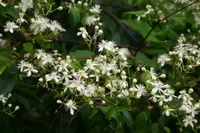
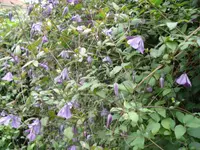
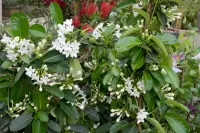
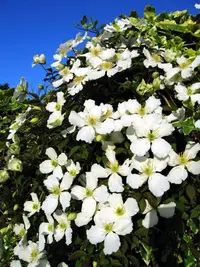
Texas madeiravine, Anredera vesicaria, is a vigorous perennial vine known for its twining stems and dense, glossy green foliage. It often produces small, pale, bead-like aerial tubers along the stems. Native to the south-central United States and parts of Mexico, it typically grows in warm, humid regions such as woodlands, fencerows, and disturbed sites. The plant’s fast growth and climbing habit make it useful for covering trellises or fences but also mean it can spread aggressively outdoors. It prefers sun to light shade, moderately moist, well-drained soil, and benefits from regular pruning to manage size and care for Texas madeiravine.

Main Plant Requirements

Care Difficulty

Easy Care

Light Preference

Full Sun

Water Requirements

Moderate Water

Temperature Preference

Warm Climate

Hardiness Zone

8–11

Soil Texture

Sandy, Loamy, Clay

Soil pH

Slightly acidic (6.5–7.0), Neutral (7.0)

Soil Drainage

Well-drained

Fertilization

Minimal (feed rarely)

Get Personalized Care Plan

Scan your plant to receive care tips personalized for your specific plant

Available on iOS and Android

How to Care for the Texas madeiravine

This vigorous vine prefers bright outdoor conditions to fuel fast growth.

  • Provide 6–8 hours of sun daily, ideally with morning sun and light afternoon shade, especially in hotter regions.
  • Texas madeiravine tolerates partial shade (around 4 hours of direct sun), but flowering and density decrease as light levels drop.
  • Avoid harsh, all‑day afternoon sun in hot summers, which can scorch leaves; in winter, choose the brightest exposure available to compensate for shorter days.

This plant prefers consistent soil moisture but does not tolerate waterlogged conditions.

  • Water when the top 3–5 cm of soil feels dry, soaking the root zone, then let excess drain away completely.
  • In warm growing seasons, expect faster drying and more frequent watering; in cooler months or dormancy, extend intervals as growth slows.
  • For Anredera vesicaria, signs of overwatering include yellowing, soft leaves and rotting tubers, while limp, dull leaves and dry, hard soil indicate underwatering.

This vine thrives in warm climates and is sensitive to cold and frost.

  • Ideal growing temperatures are 70–90°F (21–32°C), supporting rapid vining and leaf production during the main growing season.
  • Growth slows below about 60°F (16°C), and top growth may die back near 32°F (0°C), though underground parts can survive brief light frosts in mild regions.
  • Protect plants from freezes below 28°F (-2°C) and from prolonged extreme heat above 100°F (38°C) by providing mulch, some shade, and consistent soil moisture.

This species manages well in typical household humidity but responds best to moderately moist air.

  • Aim for 40–60% humidity; it tolerates short dry spells but prolonged air below 30% can slow growth.
  • Dry, crisp leaf edges or stalled new vines indicate low-humidity stress in Texas madeiravine.
  • Increase humidity by grouping plants, placing trays with water and pebbles nearby, or lightly misting foliage in the morning.

Provide loose, well-drained soil that still holds moderate moisture for steady tuber and vine growth.

  • Use a mix of 50–60% all-purpose potting mix, 20–30% coarse sand, and 20–30% perlite to create a light, airy structure.
  • Ensure rapid drainage so Anredera vesicaria roots never sit in stagnant water, which encourages rot and weak growth.
  • Target a slightly acidic to neutral pH around 6.0–7.0, avoiding strongly acidic or alkaline substrates that restrict nutrient uptake.
  • Improve aeration by avoiding compaction, breaking up clods, and incorporating chunky organic material such as bark fines rather than heavy peat alone.

This twining vine adapts well to container culture when given enough space and support.

  • Choose a deep, heavy container that resists tipping once the vine climbs and produces dense foliage.
  • Select a pot 1–2 sizes wider than the root ball to allow tuber expansion without creating a large volume of wet, unused mix.
  • Use tall stakes or a secured trellis inserted firmly into the pot so the vine’s climbing weight does not loosen or crack the container.

This vigorous vine grows well in average soil but responds to light feeding during the warm growing season, especially in containers.

  • Use a balanced liquid fertilizer (such as 10-10-10 NPK) at 1/2 strength every 4–6 weeks from late spring to late summer.
  • For in-ground Texas madeiravine, work a thin layer of compost into the topsoil once in spring to support steady growth.
  • Avoid high-nitrogen lawn fertilizers, which can cause weak, lush shoots with fewer flowers and tubers.
  • Stop feeding in fall and winter when growth slows or foliage dies back, to prevent soft, cold-sensitive growth.

Pruning helps keep Anredera vesicaria controlled, encourages bushier growth, and maintains support structures.

  • Cut back long, wandering stems in late winter or early spring before new growth elongates, using sharp hand pruners.
  • Remove dead, damaged, or tangled vines throughout the season to reduce disease risk and improve air flow.
  • Shorten or thin crowded stems to shape the vine on trellises or fences and prevent it from overwhelming nearby plants.
  • Disinfect blades with alcohol between plants to limit spread of fungal or bacterial problems.

This twining vine is more often transplanted outdoors than kept as a long-term container specimen, due to its vigorous tuberous root system.

  • Transplant in spring once soil has warmed and new shoots appear, to give the plant a full season to re-establish.
  • Look for signs such as roots circling the pot, tubers pressing against container sides, or slowed growth as cues to upsize.
  • Move into a container 1–2 sizes larger, using well-drained soil, and keep tubers at the same depth to limit shock.
  • Water thoroughly after transplanting, then keep soil evenly moist (not waterlogged) and shaded for 3–5 days to reduce root stress.

This species is commonly propagated because its tubers and shoots establish new plants quickly in warm conditions.

  • Use small aerial or underground tubers in spring; plant just below the soil surface in moist, well-drained mix.
  • Take 10–15 cm soft stem cuttings in late spring or early summer and root them in warm (70–80°F), bright, indirect light.
  • Maintain lightly moist substrate and high humidity around cuttings until new roots and shoots form.
  • Avoid spreading unwanted plants; dispose of excess tubers securely and only grow Anredera vesicaria where it cannot escape cultivation.

Cold sensitivity is moderate; the top growth often dies back in frost, but tubers can survive mild winters if insulated.

  • In regions colder than USDA zone 9, lift and store tubers in a cool, frost-free place or grow in containers.
  • Apply 5–8 cm of dry mulch over the root zone in fall to buffer soil temperature around tubers outdoors.
  • Move container-grown plants indoors before night temperatures drop near 40°F, providing bright light and reduced watering.

Care Tips

Provide strong support

Install a sturdy trellis, wire mesh, or fence before planting so the vigorous vines can be tied in loosely as they grow and do not tear out weaker structures over time.

Control spread early

Regularly remove unwanted stems and dig out young tubers at the edge of the planting area so the plant does not become invasive or overwhelm nearby shrubs and perennials.

Layer for easy propagation

Pin a healthy, low vine section to the soil with a U-shaped wire or small rock, then sever and transplant once roots and a small tuber have formed at the node.

Mulch to protect tubers

Apply a 5–8 cm layer of coarse organic mulch over the root zone to stabilize soil moisture and insulate tubers from moderate cold or heat swings.

Inspect vines for pests

During warm months, check the undersides of leaves and tender shoot tips every 1–2 weeks and hose off or treat early signs of aphids or mites to keep caring for Texas madeiravine manageable in the long term.

Common Pests and Diseases

Leaf beetles

These insects feed on foliage, creating irregular holes and sometimes skeletonizing the leaves of this vigorous vine. Damage is often more noticeable on new, tender growth in warm seasons.

Solution

Hand-pick adults and larvae into soapy water where infestations are light, and prune heavily damaged shoots to reduce feeding sites. Encourage local predators, and if needed use a targeted foliar spray with spinosad or pyrethrin in the evening, coating both leaf surfaces while avoiding drift onto non-target plants.

Scale insects

This pest attaches firmly to stems and leaf veins, sucking sap and causing yellowing, stunting, and sticky honeydew that can attract sooty mold. Infestations often start on older, woody portions of the vine and spread along the trellis or support.

Solution

Prune out and discard badly infested stems, and wipe remaining scale with a cloth or cotton pad dipped in alcohol. For lingering populations, apply a light horticultural oil spray to all stem and leaf surfaces during mild weather, repeating every 7–10 days until new growth appears clean; this is a key step in Anredera vesicaria care in warm climates.

Spider mites

These pests thrive in hot, dry conditions, causing pale stippling on leaves, fine webbing, and eventual leaf drop if ignored. Symptoms include dull, dusty-looking foliage on dense, sun-exposed vines.

Solution

Rinse vines thoroughly with a strong but gentle stream of water, focusing on the undersides of leaves to dislodge mites and eggs. Increase humidity around the plant if grown in containers, remove heavily damaged leaves, and use insecticidal soap or horticultural oil at 5–7 day intervals until new growth develops without stippling.

Powdery mildew

This disease produces white, dusty patches on leaves, stems, and sometimes flower spikes, which can lead to distortion and premature leaf drop. Symptoms include a talc-like coating that is easiest to see on shaded or crowded parts of the vine.

Solution

Improve air circulation by thinning crowded stems, avoid overhead watering, and water at the base early in the day. Remove and dispose of badly affected leaves, then apply a sulfur or potassium bicarbonate-based fungicide according to label directions, treating both leaf surfaces and repeating as needed while conditions remain humid but not rainy.

Interesting Facts

Southern US native vine

This species is native to the southern United States, especially Texas and neighboring states, where it naturally climbs over shrubs and small trees in limestone outcrops, rocky slopes, and canyon edges.

Tubers and stem bulges

The plant forms underground tubers and also has characteristic swollen, bladder-like stem segments that store water and nutrients, helping it tolerate drought and poor, rocky soils.

Night-fragrant flowers

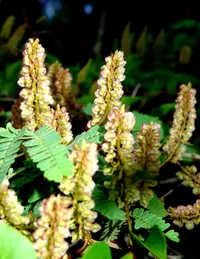
Its small greenish-white flowers open in loose clusters and release a noticeable sweet fragrance, which tends to be strongest from late afternoon into the night and helps attract nocturnal pollinators.

Botan icon

Did you know?

Unlike the closely related and often invasive Anredera cordifolia, this species is native to parts of the United States and is considered of conservation concern in some areas because its specialized limestone habitats are limited and locally threatened.

FAQs about Texas madeiravine

This species spreads rapidly through twining stems and underground tubers, especially in frost-free climates. It can smother nearby vegetation and natural areas, so regular pruning and strict tuber removal are important to limit unwanted spread.

Grow Healthy Plants with Botan Care

Keep your plants happy and healthy with plant identification, disease detection, and easy care guidance.

Botan plant care app — identify plants on mobile

Explore More Plants