hongfeng cai Care (Gynura bicolor)

Also known as: Okinawan spinach, edible gynura
hongfeng cai

About hongfeng cai

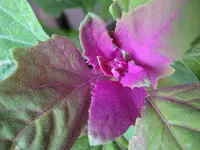
Hongfeng cai, Gynura bicolor, is a fast-growing leafy perennial often used as both an ornamental and an edible vegetable in Asian cuisine. It is valued for its striking bicolor foliage, with green upper leaf surfaces and purple undersides, and usually grows as a bushy, soft-stemmed plant.

This species is native to Southeast and East Asia and is commonly grown in warm, humid regions. It responds well to regular pruning, which keeps it compact and productive. For those learning how to care for hongfeng cai, it generally appreciates bright light, evenly moist but well-drained soil, and protection from cold conditions.

Main Plant Requirements

Care Difficulty

Moderate Care

Light Preference

Partial Sun

Water Requirements

Keep Soil Moist

Temperature Preference

Tropical / Frost Sensitive

Hardiness Zone

10–11

Soil Texture

Loamy, Sandy, Organic-rich

Soil pH

Acidic (5.5–6.5), Slightly acidic (6.5–7.0)

Soil Drainage

Moist but well-drained

Fertilization

Light (every 4–6 weeks)

Get Personalized Care Plan

Scan your plant to receive care tips personalized for your specific plant

Available on iOS and Android

How to Care for the hongfeng cai

This plant prefers bright, indirect light with some gentle direct sun to color its foliage well.

  • Provide 3–5 hours of soft morning sun or late-afternoon sun, with filtered light or light shade during harsh midday hours.
  • Tolerates partial shade, but growth becomes leggy and leaf color dulls if light drops below roughly 4 hours of bright conditions daily; move hongfeng cai closer to a brighter exposure if stems stretch.
  • In hot summers, protect from intense sun using shade cloth or dappled tree shade to prevent leaf scorch, especially in regions above USDA zone 9.

Gynura bicolor prefers evenly moist but not waterlogged soil.

  • Allow the top 2–3 cm of soil to dry before watering; use a finger test rather than a strict schedule to judge moisture.
  • During active growth in spring and summer, water thoroughly so excess drains away, then empty saucers to avoid root rot; reduce frequency in cooler months as growth slows.
  • Signs of overwatering include yellowing, soft stems, and a sour soil smell, while underwatering shows as limp, drooping foliage that perks up a few hours after watering.

This species grows best in warm, frost-free conditions with only mild temperature swings.

  • Ideal growth occurs at 70–82°F (21–28°C), where stems stay vigorous and foliage colors develop well.
  • Avoid temperatures below 50°F (10°C); light chill can stunt growth and any frost will damage or kill tender shoots, so protect plants during cold snaps.
  • Tolerates short periods up to about 90°F (32°C) if soil moisture is maintained and roots are mulched, but prolonged extreme heat can slow growth and cause leaf scorch.

This species prefers moderate humidity and reacts if air is too dry.

  • Aim for 50–65% humidity; typical home levels are usually acceptable if watering is consistent.
  • Leaves may curl, crisp at the edges, or develop slow growth in very dry air below about 40%.
  • Increase humidity by grouping pots, placing the container on a pebble tray with water below the pot base, or positioning hongfeng cai away from heating vents.

Gynura bicolor grows best in loose, well‑aerated, organic‑rich soil that drains quickly.

  • Use a mix of 50–60% peat or coco coir with compost, plus 30–40% perlite or coarse sand to keep the structure airy.
  • Aim for slightly acidic to neutral pH, around 6.0–7.0, which supports nutrient availability and healthy root function.
  • In heavy native soil, lighten the texture by blending in coarse perlite and fine bark to improve drainage and root aeration.
  • Avoid dense clay, waterlogged spots, or compacted beds, which promote root suffocation and fungal problems.

This plant is well suited to container growing for both ornamental and culinary use.

  • Choose a wide, shallow to medium‑depth pot to accommodate its spreading roots while avoiding excess unused wet substrate at the bottom.
  • Select a container material with moderate breathability, such as unglazed clay, if the growing area is humid and drainage is slower.
  • Stabilize the pot or use a heavier container if stems become lush and sprawling, so the plant does not tip when foliage is unevenly weighted.

Gynura bicolor responds well to light, consistent feeding during its active growing season.

  • Use a balanced liquid fertilizer (for example 10-10-10) at 1/2–1/4 strength; organic growers can use dilute compost tea.
  • Feed every 3–4 weeks in spring and summer when hongfeng cai produces new foliage.
  • Stop or reduce feeding to once every 6–8 weeks in fall and winter, when growth slows.
  • Water before applying fertilizer to limit root burn and avoid piling solid products against stems.

Pruning helps keep Gynura bicolor compact, leafy, and productive.

  • Best time is in late winter or early spring, then light touch-ups through the growing season.
  • Remove dead, damaged, or crossing stems first, cutting back to healthy tissue.
  • Tip back long, straggly shoots to encourage branching and a bushier shape.
  • Use sharp, clean scissors or hand pruners to make angled cuts just above a leaf node.

Container-grown Gynura bicolor benefits from occasional repotting to refresh soil and manage root growth.

  • Check for roots circling the pot, pushing through drainage holes, or slowing top growth as signs it needs more space.
  • Aim to repot every 1–2 years in spring, choosing a pot 2–5 cm wider with fresh, well-draining mix.
  • Water the plant the day before, then gently loosen and trim only heavily circling roots to reduce transplant shock.
  • After repotting, water thoroughly, keep in bright but indirect light for 3–7 days, and avoid feeding for about 2 weeks.

Gynura bicolor is commonly propagated from soft stem cuttings for consistent quality plants.

  • Take 8–12 cm cuttings in late spring or summer from non-flowering shoots with at least 2–3 nodes.
  • Remove lower leaves, optionally dip the cut end in rooting hormone, and place in moist, well-draining mix or water.
  • Maintain 70–80°F, high humidity, and bright, indirect light to support fast rooting.
  • Seeds can be used but often give more variable offspring and slower establishment than cuttings.

Gynura bicolor is frost-sensitive and needs protection in regions with cold winters.

  • Move container plants indoors before temperatures drop near 45°F, placing them in bright, indirect light.
  • In mild climates, grow in a sheltered spot and use light mulch around the base to buffer soil temperature.
  • Avoid wet, cold soil by using well-draining mix and reducing watering while growth is slow.

Care Tips

Regular tip harvesting

Pinch or cut young shoot tips every 1–2 weeks to encourage dense, bushy growth and a steady supply of tender edible leaves rather than long, weak stems.

Rotate for even color

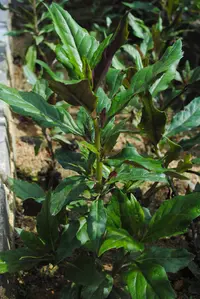
Turn the pot 90° every 7–10 days so all sides receive similar light, which helps maintain balanced purple-red coloration and prevents lopsided, shade-stretched growth.

Soft-stem support

Use low, looped plant ties or a small wire ring near the base to gently support soft, succulent stems that tend to flop as they lengthen, preventing breakage at the soil line.

Sanitary edible use

Before harvesting for the kitchen, rinse tools in rubbing alcohol or a 10% bleach solution and let them dry, reducing the chance of transmitting fungi or bacteria between plants.

Warm-season renewal

In late spring, take several 8–10 cm softwood cuttings and root them as backups so older, woody plants can be replaced with vigorous young stock for more productive growing hongfeng cai.

Common Pests and Diseases

Aphids

These insects cluster on tender shoot tips and leaf undersides, sucking sap and causing curling, distortion, and sticky honeydew on Gynura bicolor foliage.

Solution

Rinse stems and leaf undersides with a firm stream of lukewarm water, then spot-wipe remaining insects with a damp cloth. For persistent infestations, apply insecticidal soap or a light neem oil spray every 5–7 days, ensuring full leaf coverage but avoiding strong sun right after treatment.

Spider mites

This pest thrives on Gynura bicolor in warm, dry conditions, causing fine webbing, pale stippling, and a dull, dusty look to the usually vivid leaves.

Solution

Increase humidity around the plant and rinse foliage thoroughly, including leaf undersides, to remove mites and webbing. Repeat washings and use insecticidal soap or horticultural oil at 7–10 day intervals, isolating the plant from others until new growth appears clean.

Leaf spot

This disease causes small water-soaked or brown spots on leaves that can enlarge, merge, and lead to premature yellowing and drop, especially on densely grown edible stands of Gynura bicolor.

Solution

Remove and discard affected leaves, then improve airflow by thinning crowded stems and avoiding overhead watering late in the day. Keep foliage as dry as practical and, if spread continues, apply an appropriate copper-based or bio-fungicide according to label directions, focusing on new growth.

Downy mildew

Symptoms include pale yellow patches on upper leaf surfaces with corresponding gray or purplish fuzz underneath, often appearing during cool, humid weather on outdoor or greenhouse-grown Gynura bicolor.

Solution

Promptly remove infected leaves and increase ventilation, spacing, and light to reduce leaf wetness duration. Water at soil level in the morning, avoid misting the foliage, and consider a preventive fungicide labeled for downy mildew if conditions remain cool and humid.

Soft rot

This disease starts as water-soaked, mushy areas at cut stems or damaged tissues and can spread quickly through succulent Gynura bicolor stems, leading to collapse and foul odor.

Solution

Cut out all affected tissue well into healthy, firm stem, using sterilized tools, and discard any severely rotted plants. Reduce watering, improve drainage and air movement, and avoid injuring stems; for propagation, only use clean, uninjured cuttings and keep them in well-aerated, not soggy, media to support healthy Gynura bicolor plant care.

Interesting Facts

Bicolor leaf anatomy

The upper leaf surface is green while the underside is deep purple due to high anthocyanin pigment levels, which help protect the plant’s tissues from strong light and oxidative stress.

Edible leafy vegetable

In East and Southeast Asia this species is cultivated as a leafy vegetable, commonly stir-fried or added to soups for its mild flavor and distinctive purple color.

Temperate-tropical adaptation

The species can grow across subtropical to warm-temperate climates and is sometimes treated as a short-lived perennial or cool-season annual, depending on local winter temperatures.

Botan icon

Did you know?

Gynura bicolor is traditionally grown in some coastal regions of East Asia where it tolerates humid, rainy conditions and light salt spray better than many common leafy vegetables, making it a useful crop in small seaside gardens.

FAQs about hongfeng cai

Yellowing leaves usually come from overwatering, poor drainage, or low nutrients. Let the top soil dry slightly between waterings, improve drainage, and feed lightly during active growth. Older leaves yellowing at the base is normal aging.

Grow Healthy Plants with Botan Care

Keep your plants happy and healthy with plant identification, disease detection, and easy care guidance.


Botan plant care app — identify plants on mobile

Explore More Plants