Crambe tataria Care

Crambe tataria

About Crambe tataria

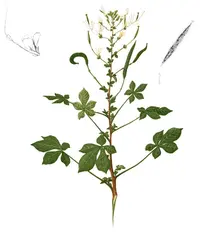
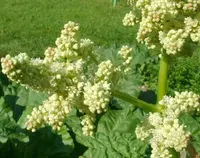
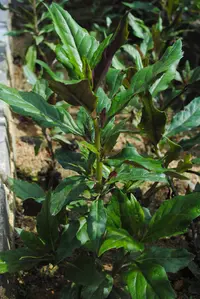
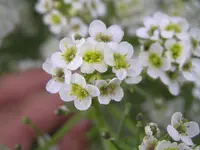
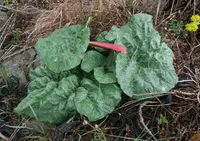
Crambe tataria, commonly called Tatarian sea kale, is a long-lived herbaceous perennial in the cabbage family. It forms a robust clump of large, wavy, bluish-green leaves from a deep taproot. In late spring, it sends up tall, branching stems covered in many small, white, fragrant flowers, creating a loose, cloud-like effect. The plant is native to steppe and dry grassland regions of Eastern Europe and western Asia, which explains its strong drought and cold tolerance. It prefers open sun, well-drained, rather poor soil, and dislikes waterlogged conditions. These traits make care for Crambe tataria relatively straightforward in suitable climates, provided it has space and drainage.

Main Plant Requirements

Care Difficulty

Moderate Care

Light Preference

Full Sun

Water Requirements

Moderate Water

Temperature Preference

Cold Hardy

Hardiness Zone

4–7

Soil Texture

Sandy, Loamy, Rocky

Soil pH

Slightly acidic (6.5–7.0), Slightly alkaline (7.0–7.5)

Soil Drainage

Well-drained

Fertilization

Minimal (feed rarely)

Get Personalized Care Plan

Scan your plant to receive care tips personalized for your specific plant

Available on iOS and Android

How to Care for the Crambe tataria

This hardy perennial prefers open, sunny positions to build strong flowering stems.

  • Provide 6–8 hours of direct sun daily; full sun is ideal in cool to mild climates for dense, upright growth.
  • In hotter regions, give morning sun with light afternoon shade to reduce leaf scorch and soil moisture loss, especially on south- or west-facing slopes.
  • If Crambe tataria receives under 4–5 hours of sun, expect fewer flowers, weaker stems, and a looser habit; move to a brighter site if possible.

This deep-rooted plant prefers moderately dry, well-drained conditions once established.

  • Water only when the top 4–6 cm of soil are dry; in average rainfall areas, mature plants may need little to no supplemental watering after establishment.
  • During the first growing season, water deeply but infrequently, allowing soil to dry between soakings to encourage deep root development and reduce rot risk.
  • Watch foliage for stress signals: yellowing, limp leaves, or a sour soil smell suggest overwatering, while dull, drooping, crisp-edged leaves point to underwatering.

This species is a cold-hardy perennial that thrives in temperate, continental-type climates.

  • Active growth is strongest around 60–75°F (16–24°C), with good vegetative and flowering performance in typical spring and early summer conditions.
  • Dormant crowns tolerate winter lows near -20°F (-29°C) under mulch or snow cover, making the plant suitable for many cold-winter regions.
  • In hot summers above 85–90°F (29–32°C), growth may slow and foliage can scorch; use mulch and occasional deep watering to limit heat stress on crowns.

Humidity is not a significant factor for Crambe tataria, which prefers dry, open conditions.

Soil preparation focuses on sharp drainage and a lean, mineral-rich profile for stable growth.

  • Use sandy or sandy-loam soil with 30–50% mineral grit such as coarse sand or fine gravel to prevent waterlogging.
  • Aim for slightly alkaline to neutral pH around 7.0–7.8, avoiding strongly acidic mixes that can limit nutrient availability.
  • Incorporate a modest amount of well-rotted compost (10–20%) for structure, but avoid high organic content that stays wet.
  • Plant Crambe tataria in raised beds or mounded soil to improve aeration, especially in regions with heavy or compacted ground.

This deep-rooted perennial is generally unsuitable for long-term container growing.

This deep-rooted perennial thrives in lean soil and usually needs only minimal feeding.

  • For garden plants, mix a thin layer of compost into the topsoil once in early spring as growth begins.
  • If growth seems weak, apply a balanced slow-release fertilizer (around 10-10-10) at half strength in spring.
  • Avoid summer and fall feeding so Crambe tataria can harden growth before winter and prevent soft, frost-sensitive shoots.

Pruning needs for this perennial are low and mainly focused on cleanup and maintaining flowering performance.

  • In late winter or very early spring, cut back all dead stalks and spent foliage to just above ground level.
  • During the growing season, remove dead, damaged, or diseased stems with clean, sharp hand pruners.
  • After flowering, trim off spent flower stalks if self-seeding is not desired and to keep the clump tidy.

This species is usually grown in open ground, where careful transplanting matters more than container repotting.

  • Transplant young plants in early spring or early fall, avoiding disturbance of the long taproot typical for Crambe tataria.
  • Choose a permanent, deep, well-drained site, since older plants resent being moved and may decline after major root disturbance.
  • If grown in a pot, only upsize when roots circle the container, handling the root ball gently and disturbing it as little as possible.
  • Water thoroughly after transplanting, then keep soil evenly moist but not waterlogged until new growth clearly resumes.

Propagation is possible but somewhat specialized, most often done by seeds or careful root cuttings.

  • Sow fresh seed in fall outdoors or use cold stratification at 35–40°F for 6–8 weeks, then germinate in bright, cool conditions.
  • In late winter, take pencil-thick root cuttings from established plants, lay horizontally in a free-draining mix, and keep just moist.
  • Keep propagation containers at 55–65°F with bright indirect light to encourage steady root and shoot development without overheating.

This hardy perennial tolerates typical temperate winters and usually needs only light root-zone care.

  • Plants survive frost and freezing in USDA zones where it is commonly grown, with top growth dying back naturally.
  • After the first hard frost, apply a loose 5–8 cm mulch of leaves or compost to stabilize soil temperature and moisture.
  • For container-grown plants, move pots to a sheltered, unheated area to prevent repeated freeze–thaw of the root ball.

Care Tips

Deep rooting space

Plant in a spot with at least 40–50 cm of unrestricted soil depth so the deep taproot can develop fully, which improves drought tolerance and long-term vigor when growing Crambe tataria.

Spring mulching ring

Apply a thin, open-textured mulch ring in spring, keeping 5–8 cm away from the crown, to suppress weeds and stabilize soil moisture without risking crown rot.

Winter crown protection

In colder regions, mark the crown location and cover it lightly with coarse mulch after the ground freezes to prevent freeze–thaw heaving from lifting and damaging the rootstock.

Support heavy flowering

Install discreet, low plant supports or a circular grid just before flowering to keep tall, heavily blooming stems upright and reduce breakage in wind or heavy rain.

Controlled self-seeding

Deadhead most seed heads but leave a few healthy ones if limited self-seeding is desired, then remove unwanted seedlings early while they are small and easy to lift with minimal root disturbance.

Common Pests and Diseases

Flea beetles

These insects chew many small round holes in leaves, often giving foliage a shot‑holed or lace‑like appearance, and can severely weaken young plants.

Solution

Protect young plants with floating row covers, reduce nearby weeds in the brassica family that host beetles, and use sticky traps or targeted applications of neem oil or spinosad on foliage when activity is high, following label directions carefully.

Cabbage aphids

These insects cluster on stems, undersides of leaves, and flower stalks, sucking sap and causing curling, distortion, and sticky honeydew deposits.

Solution

Spray plants with a strong stream of water to dislodge colonies, remove heavily infested shoots, encourage natural predators such as lady beetles, and apply insecticidal soap thoroughly to leaf undersides during cool parts of the day if populations remain high.

White blister rust

This disease causes pale, blister‑like swellings on leaves and stems that later form white, powdery pustules, leading to distorted growth and reduced vigor.

Solution

Promptly remove and discard infected leaves, avoid overhead watering, maintain good spacing and airflow, and rotate plantings away from brassica crops and wild brassica weeds to reduce inoculum in the area as part of broader Crambe tataria care.

Downy mildew

This disease produces yellow to pale patches on upper leaf surfaces with grayish to purplish fuzz underneath, especially in cool, humid conditions, and can cause premature leaf drop.

Solution

Improve air circulation, avoid wetting foliage, water at the base in the morning, and remove affected leaves; in recurring cases, use a copper or phosphonate fungicide labeled for brassicas, applied preventively during prolonged cool, damp weather.

Interesting Facts

Relict steppe specialist

This species is native to Eurasian steppes and survives today mainly in remnant dry grasslands and sandy or loess slopes, making it a classic example of a steppe relict plant in parts of Central and Eastern Europe.

Deep taproot strategy

It develops a very strong, deep taproot that anchors it in open, windswept habitats and allows access to moisture deep in the soil, which helps the plant persist in dry steppe conditions.

Foamy flower display

Mature plants can produce a large, dome-shaped mass of small white flowers that resemble a foam cloud in early summer, and this dense inflorescence attracts a wide range of pollinating insects.

Botan icon

Did you know?

In several European countries this species is legally protected or listed as threatened because plowing of steppe habitats, afforestation, and urban expansion have greatly reduced its natural populations, making the remaining wild stands important for steppe ecosystem conservation and for understanding growing Crambe tataria in cultivation.

FAQs about Crambe tataria

This species is highly attractive to pollinators. The airy clusters of small white flowers provide nectar and pollen for bees, hoverflies, and some butterflies, making it a useful plant for wildlife-friendly and low-input gardens.

Grow Healthy Plants with Botan Care

Keep your plants happy and healthy with plant identification, disease detection, and easy care guidance.

Botan plant care app — identify plants on mobile

Explore More Plants