Control Spreading Edges
Install an underground edging strip 5–8 cm deep around beds or paths to prevent this mat-forming plant from creeping into lawns or adjacent plantings while still allowing it to fill in its designated area.

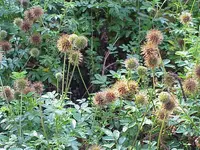
Acaena novae-zelandiae, commonly called biddy-biddy or New Zealand burr, is a low, spreading perennial often used as a groundcover. It forms dense, mat-like foliage with finely divided, ferny leaves. Small burr-like seed heads follow the flowers and can cling to fur, clothing, or lawn equipment, which is important to consider when choosing a site. This species is native to New Zealand and some parts of Australia, where it grows in open, sunny, often coastal or subalpine habitats. It tends to be hardy, drought tolerant once established, and competitive, so it is generally easy to care for biddy-biddy in poor, well-drained soils with good light.

Care Difficulty
Easy Care

Light Preference
Full Sun

Water Requirements
Moderate Water

Temperature Preference
Cold Hardy

Hardiness Zone
6–9

Soil Texture
Sandy, Loamy, Rocky

Soil pH
Acidic (5.5–6.5), Slightly acidic (6.5–7.0)

Soil Drainage
Well-drained

Fertilization
Minimal (feed rarely)
Scan your plant to receive care tips personalized for your specific plant
Available on iOS and Android
This low-growing groundcover prefers cool, bright conditions with some direct sun each day.
This plant prefers evenly moist but not saturated soil, with brief dry periods between waterings.
This hardy groundcover tolerates a wide temperature range but grows best in cool, moderate conditions.
This species tolerates a broad humidity range and usually does not need special humidity control in typical outdoor conditions.
This groundcover prefers free-draining, moderately fertile soil that never stays waterlogged.
This low, spreading species is suitable for container growing, especially in shallow, wide pots or troughs.
This low-growing perennial generally needs only light feeding, especially in reasonably fertile soil.
Light pruning keeps Acaena novae-zelandiae dense, tidy, and spreading in a controlled way.
This plant is usually grown as a groundcover, so focus on careful transplanting rather than frequent repotting.
Acaena novae-zelandiae is commonly propagated to extend groundcover patches or start new areas.
This species is generally cold hardy in temperate climates and needs minimal winter care in the ground.

Plant Health Check
Not sure what's wrong with your plant? Check your plant's health inside the app.
This species forms dense carpets that produce spherical burrs covered in stiff, backward-facing barbs that latch onto animal fur and clothing, giving the plant an efficient seed dispersal system over long distances.
In its native New Zealand, this plant often colonizes disturbed coastal and subalpine habitats, stabilizing shallow, rocky, or sandy soils and helping to reduce erosion in exposed sites.
Introduced as an ornamental groundcover, this species has become widely naturalized in parts of the British Isles, where its burrs are considered a nuisance to livestock and outdoor recreation due to their strong attachment to wool and fabrics.

In New Zealand, this plant is commonly known as bidibid or biddy-biddy, and its hooked burrs have influenced local outdoor culture, with hikers and farmers often needing to remove large numbers of the spiny fruits from socks, trousers, and animal fleece after moving through infested areas.
This species spreads by creeping stems and can colonize open soil quickly, especially in mild, moist climates. Use edging, stone paths, or contained beds to limit spread, and remove unwanted runners several times per year.
Keep your plants happy and healthy with plant identification, disease detection, and easy care guidance.