


Provide strong support
Install a sturdy trellis, wire mesh, or fence before planting so the vine can climb securely and not damage young shoots during later tying.

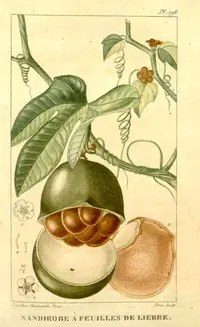
Antidote caccoon (Fevillea cordifolia) is a vigorous tropical vine in the cucumber family, valued more for its curious fruits than for ornamental foliage. It climbs over shrubs and trees using tendrils, with lobed green leaves and large, ribbed capsules that turn woody as they mature.
This species is native to tropical regions of Central and South America, where it scrambles through forest edges and disturbed areas. In cultivation it can grow quickly and needs strong support.
Its fast growth, need for warmth, and sensitive roots make it better suited to experienced growers. Those who want to care for antidote caccoon should provide stable warmth, bright light, and freely draining soil with consistent, moderate moisture.

Care Difficulty
Moderate Care

Light Preference
Full Sun

Water Requirements
Moderate Water

Temperature Preference
Tropical / Frost Sensitive

Hardiness Zone
11–12

Soil Texture
Sandy, Loamy, Organic-rich

Soil pH
Acidic (5.5–6.5), Slightly acidic (6.5–7.0)

Soil Drainage
Well-drained

Fertilization
Minimal (feed rarely)
Scan your plant to receive care tips personalized for your specific plant
Available on iOS and Android
This vigorous tropical vine prefers bright, warm conditions with consistent sun exposure.
This species prefers evenly moist but not saturated soil, guided by how quickly the root zone dries.
This tropical vine grows best in consistently warm, frost-free conditions throughout the year.
This tropical vine prefers moderately humid air but adapts if kept above very dry levels.
This species needs a loose, fast-draining, organically enriched substrate to support vigorous vining growth.
This vine is suitable for container growing when the pot supports its vigorous roots and climbing habit.
Fevillea cordifolia, often called antidote caccoon, grows vigorously with modest feeding in nutrient-rich, well-drained soil.
Fevillea cordifolia benefits from light, controlled pruning to manage its vigorous climbing habit.
This vigorous climber is usually grown in-ground, so focus on careful transplanting or occasional container up-potting.
Fevillea cordifolia is most often propagated by seed, with success depending on warmth and consistent moisture.
This tropical vine is frost-sensitive and needs protection in regions with cool or freezing winters.

Plant Health Check
Not sure what's wrong with your plant? Check your plant's health inside the app.
The vines often host ant species inside their hollow stems and tendrils, forming small ant nests that help defend the plant against some leaf‑chewing insects.
Its large, hard seeds contain potent cucurbitacin-type compounds that are strongly bitter and toxic if ingested, which discourages most animals from eating them.
This species uses long, branching tendrils to climb into the tropical forest canopy, where its leaves can receive high light while the main stem remains anchored in the shaded understory.

In some parts of its native range, this liana can reach such great lengths in the forest canopy that its fruits hang visibly above roads and clearings, making it one of the more conspicuous wild cucurbit relatives in lowland Neotropical forests.
This species is a vigorous twining vine that climbs rather than creeping along the ground. It wraps its stems around nearby supports, trees, or trellises and can quickly cover structures if conditions are warm and frost-free.
Keep your plants happy and healthy with plant identification, disease detection, and easy care guidance.

 POPULAR
Philodendron Cobra
Monstera standleyana
Pin-stripe calathea
Goeppertia ornata
Stanhopea wardii
Stanhopea wardii
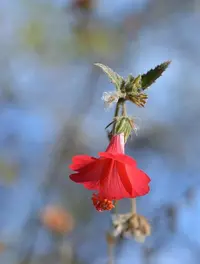
Poeppig's rosemallow
Hibiscus poeppigii
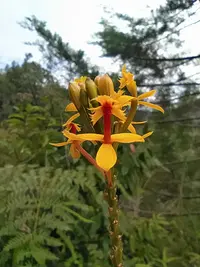
Epidendrum melinanthum
Epidendrum melinanthum
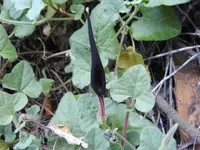
Wright's dutchman's pipe
Aristolochia wrightii
 POPULAR
Window-Leaf Monstera
Monstera obliqua
harlequin dutchman's pipe
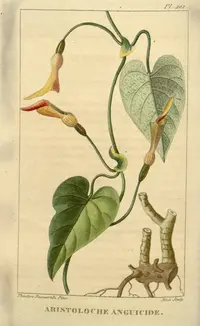
Aristolochia anguicida