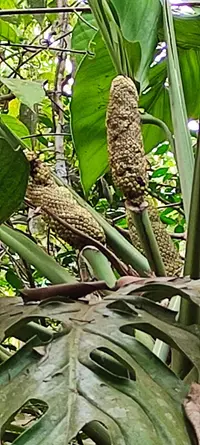
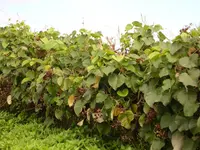
harlequin dutchman's pipe Care (Aristolochia anguicida)

harlequin dutchman's pipe

About harlequin dutchman's pipe

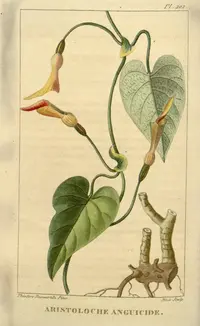
Harlequin dutchman's pipe (Aristolochia anguicida) is a twining vine grown mainly for its unusual, patterned flowers and ornamental foliage. It typically climbs on supports, fences, or shrubs. The flowers are tubular and curved, often mottled in contrasting colors, giving the plant a distinctive appearance in tropical and subtropical gardens.

This species occurs naturally in parts of Central and South America, where it grows in warm, humid habitats. It can be moderately challenging for beginners, as it prefers stable warmth, consistent moisture, and well-drained, fertile soil. Light shade or filtered sun usually suits it best, and understanding how to care for harlequin dutchman's pipe helps maintain healthy growth and flowering.

Main Plant Requirements

Care Difficulty

Moderate Care

Light Preference

Partial Shade

Water Requirements

Regular Water

Temperature Preference

Warm Climate

Hardiness Zone

Unknown

Soil Texture

Loamy, Sandy, Organic-rich

Soil pH

Acidic (5.5–6.5), Slightly acidic (6.5–7.0)

Soil Drainage

Moist but well-drained

Fertilization

Minimal (feed rarely)

Get Personalized Care Plan

Scan your plant to receive care tips personalized for your specific plant

Available on iOS and Android

How to Care for the harlequin dutchman's pipe

This twining vine prefers bright outdoor conditions with some protection from intense sun.

  • Provide 4–6 hours of direct morning sun with light afternoon shade, or bright filtered light all day in warm climates for stable growth.
  • Allow partial shade (as little as 2–3 hours of direct sun) in hot regions, especially in summer, to prevent leaf scorch on harlequin dutchman's pipe.
  • Watch stems that are deep in shade; leggy, pale growth indicates too little light, while crisp leaf edges suggest excessive midday or afternoon sun.

This species likes evenly moist but not waterlogged soil throughout the growing season.

  • Water when the top 3–5 cm of soil feel dry, soaking the root zone thoroughly, then let excess drain away to avoid standing water around the roots.
  • During warm active growth, expect more frequent watering; reduce frequency in cool weather or dormancy while preventing the soil from fully drying out.
  • Yellowing, soft leaves and a sour smell indicate overwatering, while dull, drooping foliage and dry, hard soil signal that Aristolochia anguicida needs water sooner.

This vine grows best in warm, frost-free conditions with moderate seasonal variation.

  • Aim for 65–80°F (18–27°C) during active growth for reliable foliage and flowering, with stable temperatures benefiting young plants most.
  • Protect from cold below 40°F (4°C); light, brief dips may be tolerated, but hard frost can kill stems and severely damage roots.
  • In hot climates, growth continues up to about 90°F (32°C) if soil moisture is consistent, though afternoon shade helps limit heat stress and leaf scorch.

This species prefers moderately humid air but usually adapts to typical indoor levels.

  • Aim for 40–60% relative humidity to support steady foliage and vine growth.
  • Tolerates brief dips to 30% but prolonged very dry air can cause leaf edge browning and curling.
  • Increase humidity with a nearby open tray of water and stones or by grouping plants, rather than misting leaves.

Aristolochia anguicida grows best in loose, moisture-retentive but free-draining soil.

  • Use a loamy mix made from roughly 50% peat-free compost, 25% fine bark, and 25% perlite or coarse sand for structure and drainage.
  • Keep drainage brisk so water moves through within a few seconds rather than pooling on the surface.
  • Target a slightly acidic to neutral pH around 6.0–7.0, avoiding strongly alkaline or salty substrates.
  • Avoid heavy clay, compacted garden soil, or mixes with a high proportion of fine silt that reduce aeration around the roots.

This vine is suitable for container growing when the pot supports its twining and vigorous root system.

  • Choose a tall, heavy container that resists tipping once the vine climbs a trellis or support frame.
  • Select a pot 30–40 cm wide to provide lateral root spread without creating a deep, wet zone at the bottom.
  • Use a breathable material such as unglazed clay to let excess moisture escape, especially in cooler or shaded sites.

This vigorous vine usually grows well in average soil, so harlequin dutchman's pipe needs only light, seasonal feeding.

  • Apply a balanced, slow-release fertilizer (around 10-10-10) at half strength once in early spring as new growth starts.
  • In poorer soils, supplement with a thin layer of compost around the root zone, keeping it away from stems.
  • Skip or reduce feeding in mid to late fall and winter when growth slows or stops, especially in cooler climates.

Pruning helps manage the vigorous growth of Aristolochia anguicida and maintains a healthy, flowering framework.

  • Carry out main pruning in late winter or very early spring before new shoots extend.
  • Remove dead, damaged, or crossing stems first, then thin congested growth to improve light and air.
  • Shorten overly long vines to control size and guide them along the support structure.
  • Use clean, sharp hand pruners and make cuts just above a healthy bud or side shoot.

This vigorous climber is usually grown in the ground, so focus on careful transplanting rather than frequent repotting.

  • Plan transplanting for early spring or early fall, avoiding extreme heat or cold periods.
  • Transplant when growth slows, roots circle the container, or the plant dries out very quickly after watering.
  • Dig a wide hole, disturb circling roots gently, and plant at the same depth in well-drained soil with support ready.
  • Water deeply after planting and keep soil evenly moist for several weeks to limit transplant shock.

Aristolochia anguicida is most often propagated by seed or softwood cuttings under warm, stable conditions.

  • Sow fresh seeds in late winter or spring in a free-draining seed mix, lightly covering them and keeping 70–75°F.
  • Provide bright, indirect light and steady moisture; germination may be slow and uneven.
  • Take softwood or semi-ripe cuttings in late spring to summer, using 7–10 cm pieces with 2–3 nodes.
  • Dip the base in rooting hormone, place in a moist, well-aerated medium, and maintain high humidity until rooted.

This species is moderately frost sensitive, so some winter protection is useful in colder regions.

  • In climates with frost, add a 5–8 cm mulch layer over the root zone in late fall, keeping stems uncovered.
  • Where freezes are light, top growth may die back, but roots often reshoot in spring if soil does not freeze deeply.
  • Grow container plants in large pots and move them into a bright, cool, frost-free space when temperatures approach 32°F.

Care Tips

Provide firm support

Install a sturdy trellis or wire mesh before planting and loosely tie young shoots with soft ties so the vine can climb securely without kinking or breaking stems.

Guide flowering shoots

Once stems reach the support, pinch or gently bend and secure side shoots horizontally to encourage more flowering spurs along the vine rather than a single tall, sparse leader.

Manage cold exposure

In regions with cool winters, apply a 5–8 cm organic mulch over the root zone in late fall and leave stems unpruned until spring to protect basal buds from freeze damage.

Monitor pipevine swallowtails

If pipevine swallowtail caterpillars feed heavily, allow moderate chewing but stagger plantings or keep a backup plant so foliage can regenerate without the main vine being defoliated.

Use deep containers

For harlequin dutchman's pipe indoor care or patio culture, choose a tall, heavy container with a strong trellis so the vine has room for a deep root system and does not tip over as it gains top weight.

Common Pests and Diseases

Aristolochia swallowtail caterpillars

These insects are the larvae of swallowtail butterflies that specialize on Aristolochia vines and can rapidly skeletonize foliage. Symptoms include chewed leaves, missing leaf sections, and clusters of dark frass on and below the plant.

Solution

Hand-pick caterpillars and relocate them away from the vine, focusing on young shoots and tender leaves, and prune back heavily defoliated tips to encourage new growth. Fine insect netting over young plants and encouraging predators such as birds and predatory wasps helps reduce repeated heavy feeding while still supporting butterflies in other parts of the garden.

Leaf miner larvae

This pest lives inside the leaf tissue and creates pale, winding tunnels that distort the foliage. Symptoms include serpentine trails, blistered areas, and premature yellowing of affected leaves, especially on young growth.

Solution

Remove and dispose of mined leaves as soon as trails appear to break the life cycle. Keep the plant vigorous with steady watering and light feeding so it can replace damaged foliage, and use horticultural oil on new flushes of growth to deter fresh egg laying on susceptible leaves.

Spider mites

These insects are tiny sap-feeding arachnids that thrive on Aristolochia vines grown in hot, dry, or sheltered conditions. Symptoms include stippled, dull leaves, fine webbing on the undersides, and gradual leaf yellowing and drop.

Solution

Rinse vines thoroughly with a strong but gentle stream of water, paying attention to leaf undersides, and repeat every few days until populations drop. Increase humidity around the plant, improve airflow, and apply insecticidal soap or horticultural oil in several treatments to control remaining mites while monitoring for reinfestation.

Powdery mildew

This disease is a fungal infection that appears as white or gray powdery patches on leaves, stems, and sometimes flower stalks. Symptoms include distorted young leaves, reduced vigor, and premature leaf drop, especially where vines are crowded or shaded with poor air movement.

Solution

Prune to open the vine for better airflow, remove and discard heavily infected leaves, and avoid overhead watering, especially late in the day. Apply a sulfur-based or potassium bicarbonate fungicide according to label directions at the first sign of infection and keep the plant on a regular inspection schedule as part of broader Aristolochia anguicida care.

Anthracnose leaf spot

This disease is caused by several related fungi that create dark, sunken spots on leaves and sometimes on young stems. Symptoms include tan to dark brown lesions with darker margins, leaf yellowing around spots, and in severe cases partial defoliation during warm, wet periods.

Solution

Promptly remove and dispose of spotted leaves and fallen debris around the base to reduce sources of reinfection, and avoid overhead irrigation that keeps foliage wet. Improve spacing and trellis training for better drying, and use a copper-based fungicide preventively during extended rainy or humid weather if the plant has a history of recurring anthracnose.

Interesting Facts

Snake-mimicking flowers

The tubular, curved flowers closely resemble a small snake in shape and patterning, which is thought to discourage some herbivores while still attracting specialized pollinators.

Specialist fly pollination

Its flowers emit a faint, often musty scent and have a trap-like structure that temporarily holds small flies, releasing them after they have picked up or deposited pollen.

Restricted Caribbean range

This species is naturally found in a limited area of the Caribbean, especially in dry to semi-dry habitats, making it of particular interest for regional conservation studies of Aristolochiaceae diversity.

Botan icon

Did you know?

This vine serves as a larval host for certain swallowtail butterflies in its native range, as the caterpillars can tolerate the toxic aristolochic acids that deter most other herbivores.

FAQs about harlequin dutchman's pipe

This species is a twining vine that climbs rather than creeping along the ground. Stems wrap around nearby supports, creating vertical cover on trellises, fences, or shrubs. Without support it will sprawl and tangle at ground level.

Grow Healthy Plants with Botan Care

Keep your plants happy and healthy with plant identification, disease detection, and easy care guidance.


Botan plant care app — identify plants on mobile

Explore More Plants