Spiny Date Palm Care (Phoenix loureiroi)

Spiny Date Palm

About Spiny Date Palm

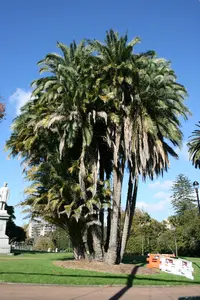
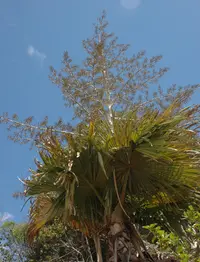
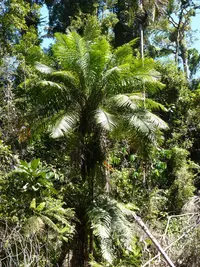
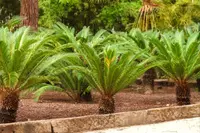
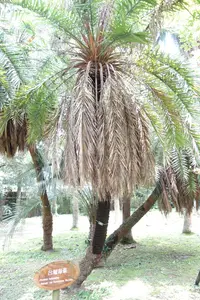
The spiny date palm, Phoenix loureiroi, is a compact, clumping palm known for its stiff, narrow leaflets and sharp spines along the leaf bases. It often forms multiple slender trunks, giving a dense, architectural look that suits both landscapes and large containers.

This species is native to parts of South and Southeast Asia, where it grows in dry, open habitats and rocky slopes. Its slow to moderate growth and tolerance of sun, wind, and brief dry periods influence how to care for Spiny Date Palm.

It generally prefers bright light, well-drained sandy or loamy soil, and moderate watering that allows the roots to dry slightly between waterings.

Main Plant Requirements

Care Difficulty

Moderate Care

Light Preference

Full Sun

Water Requirements

Moderate Water

Temperature Preference

Warm Climate

Hardiness Zone

9–11

Soil Texture

Sandy, Loamy, Rocky

Soil pH

Acidic (5.5–6.5), Slightly acidic (6.5–7.0)

Soil Drainage

Well-drained

Fertilization

Minimal (feed rarely)

Get Personalized Care Plan

Scan your plant to receive care tips personalized for your specific plant

Available on iOS and Android

How to Care for the Spiny Date Palm

This sun-loving palm needs strong light to maintain compact, healthy fronds and good growth.

  • Provide 6–8 hours of direct sun daily; full sun is ideal once established, especially in outdoor landscapes in warm climates.
  • Young or newly planted Spiny Date Palm benefits from 2–3 months of protection from harsh mid-afternoon sun using light shade cloth or neighboring plants.
  • In cooler seasons, ensure it is not shaded by buildings or trees; prolonged deep shade causes stretched, weak fronds and sparse crowns.

This palm prefers evenly moist, well-drained soil during establishment, then copes with moderate dryness.

  • Allow the top 3–5 cm of soil to dry between waterings; in hot weather, check soil every few days rather than following a fixed schedule.
  • For Phoenix loureiroi in the ground, water deeply but infrequently so water reaches 20–30 cm depth, then allow partial drying to encourage deep roots.
  • Reduce watering in cool seasons; yellowing, soft bases suggest overwatering, while folded, browning leaflet tips indicate underwatering or drought stress.

This warm-climate palm performs best in consistently mild to hot conditions without hard frost.

  • Ideal growing temperatures are 70–90°F (21–32°C), where trunk and leaf growth remain steady and foliage keeps a strong green color.
  • Mature plants can briefly tolerate down to about 25°F (−4°C), but foliage damage is likely below 28°F (−2°C), especially during prolonged cold or wind.
  • It handles dry heat up to 100–105°F (38–41°C) if soil moisture is adequate; protect young plants from frost with covers during unexpected cold snaps.

Phoenix loureiroi handles a wide humidity range but benefits from slightly moist air in hot conditions.

  • Aim for 40–60% humidity, similar to most homes, with slightly higher levels in very dry, hot climates.
  • Tolerates brief dry indoor air, but prolonged humidity below 30% may cause brown leaflet tips and faster leaf browning.
  • Increase humidity by grouping plants, placing a water-filled pebble tray under the pot, or using a nearby humidifier in arid seasons.

Phoenix loureiroi prefers sharply draining, mineral-rich soil that prevents waterlogging around the roots.

  • Use a sandy or loamy mix with coarse texture, such as 50% cactus mix blended with 25% coarse sand and 25% fine bark or perlite.
  • Aim for slightly acidic to neutral pH around 6.0–7.0 to support balanced nutrient uptake and root health.
  • Improve aeration by including chunky materials like pine bark, pumice, or coarse perlite so water moves quickly through the root zone.
  • Avoid heavy, compacted, or clay-rich substrates that stay wet for long periods, as these encourage root rot and pests.

This species is suitable for container growing, especially in climates with cool winters.

  • Choose a deep, heavy container to counter the palm’s top-heavy crown and prevent tipping in wind or on balconies.
  • Select thick-walled clay or concrete pots when possible, as they stabilize moisture swings and add weight for anchoring the root ball.
  • Ensure several large drainage holes and raise the pot slightly on feet or blocks so excess water exits quickly and does not pool under the base.

Phoenix loureiroi benefits from light, controlled feeding during the warm growing season.

  • Use a balanced slow-release palm fertilizer (for example 8-2-12 with micronutrients) or a general balanced NPK, following label rates.
  • Apply in spring and mid-summer only; avoid feeding in late fall and winter when growth slows.
  • For container plants, use a half-strength liquid balanced fertilizer every 4–6 weeks during active growth.
  • Ensure soil is moist before feeding Spiny Date Palm to reduce root burn risk.

Pruning Phoenix loureiroi focuses on hygiene and safety rather than reshaping the palm.

  • Best time is late winter to early spring, once risk of hard frost has passed.
  • Remove only dead, brown, diseased, or badly damaged fronds, cutting close to the trunk without injuring it.
  • Avoid removing green fronds; they support healthy growth and trunk strength.
  • Use clean, sharp loppers or a pruning saw, wearing heavy gloves to manage the spiny leaf bases.

Container-grown Phoenix loureiroi and young landscape specimens handle transplanting best when done carefully in warm seasons.

  • Look for roots circling the pot drainage holes, soil drying very quickly, or slowed growth as cues to move up 1 pot size.
  • Transplant or shift containers in late spring to early summer, roughly every 3–4 years for potted plants.
  • Lift with the root ball intact, keep roots shaded and moist, and replant at the same soil level in well-drained soil.
  • Water deeply after planting, then keep evenly moist for several weeks to reduce transplant shock and support new root growth.

Phoenix loureiroi is most commonly propagated from seeds, which requires patience and warm conditions.

  • Collect fresh, fully ripe seeds and clean off any remaining fruit pulp to reduce fungal problems.
  • Sow in spring in a very well-drained, sandy mix and keep at 75–85°F with consistent, light moisture.
  • Germination can be slow, often taking several weeks to months, so maintain stable warmth and humidity.
  • Occasional division of basal offsets is possible on clumping plants, keeping each division with a solid root mass.

This palm is moderately cold tolerant but benefits from simple winter precautions in cooler climates.

  • Mature plants handle short drops near 20–25°F, but young or potted specimens are more vulnerable.
  • Apply a 5–8 cm mulch layer around the root zone, keeping it slightly away from the trunk to moderate soil temperature.
  • Wrap the crown lightly with breathable frost cloth during hard freezes, especially on young plants.
  • Move container plants indoors or into a bright, frost-free garage or greenhouse before sustained freezing weather.

Care Tips

Manage Basal Suckers

Inspect the base of the trunk a few times per year and cleanly remove unwanted suckers with a sharp pruning saw or lopper to maintain a single strong stem and prevent overcrowding around the root zone.

Spine-Safe Handling

Before any pruning or inspection, put on thick leather gloves and safety glasses, and approach from the leeward (downwind) side so spines are less likely to catch clothing or skin while you work.

Wind and Lean Control

In exposed sites, loosely stake young plants with 2–3 sturdy posts and a soft, wide tie to reduce rocking in strong winds and encourage a straight, stable trunk.

Root Zone Protection

Keep a grass-free, mulch-covered circle around the palm’s base at least 60–90 cm wide so mower and string trimmer damage to roots and trunk is avoided.

Salt and Debris Management

In coastal or roadside plantings, hose off foliage 2–3 times during the dry season to remove salt and dust, which helps reduce leaf scorch and improves overall Phoenix loureiroi care.

Common Pests and Diseases

Red palm weevil

This pest bores into the crown and trunk, causing hidden internal damage; symptoms include wilting, yellowing fronds, oozing sap, and a fermented smell near the crown. Infestations can progress for months before the palm collapses suddenly.

Solution

Remove and destroy heavily infested palms to prevent spread, and inspect crowns regularly for oozing sap, frass, or larval galleries. For early or preventative management, use systemic insect drenches labeled for palms at the root zone and crown, and avoid wounding the trunk, which attracts adults.

Palm leaf miner

These insects create winding, pale tunnels inside leaflets, leading to blotchy discoloration and reduced photosynthesis. Symptoms include narrow serpentine trails that follow the veins of the leaflets.

Solution

Prune and discard heavily mined fronds to remove larvae before they mature, focusing on the most affected older leaves. Encourage natural predators where possible and, if damage is significant, apply a systemic insecticide to the soil so new growth emerges protected without repeated foliar spraying.

Ganoderma butt rot

This disease infects the lower trunk and root collar, leading to gradual decline, thinning canopy, and eventual palm death. Symptoms include a dry, rotted section at the base and hard, shelf-like conks forming on the trunk near soil level.

Solution

Remove and destroy affected palms, including as much of the stump and major roots as possible, and avoid replanting susceptible palms in the same spot. Prevent new infections by avoiding trunk wounds, improving drainage, and keeping mulch and soil away from direct contact with the trunk base.

Fusarium wilt

This disease causes one-sided yellowing and browning of fronds, often starting on older leaves and progressing upward, leading to a sparse and asymmetrical crown. Symptoms include wilted leaflets on one side of the leaf or one side of the canopy, with dark streaking sometimes visible in the leaf bases.

Solution

Remove and destroy infected fronds and palms to limit spread, and never reuse pruning tools on healthy palms without disinfecting them in a 10% bleach or 70% alcohol solution. Use only disease-free planting stock, avoid overhead irrigation that wets old leaf bases, and select resistant or tolerant palm species if Fusarium wilt is already present in the area.

Scale insects

These insects attach to leaflets and petioles, sucking sap and causing yellow stippling, sticky honeydew, and sometimes sooty black mold on the fronds. Symptoms include rough, bump-like structures on the leaf surfaces that do not rub off easily.

Solution

Wipe or gently scrub small populations from fronds with a cloth dipped in mild soapy water, then rinse foliage. For larger infestations, release or conserve natural predators such as lady beetles and use a horticultural oil spray labeled for palms, applied thoroughly to leaf undersides and repeated as needed according to label directions as part of broader Phoenix loureiroi plant care.

Interesting Facts

Wide Asian distribution

Phoenix loureiroi occurs naturally from India and Sri Lanka through Myanmar, Thailand, Indochina, southern China, the Philippines, and into parts of Malesia, reflecting a strong adaptation to tropical monsoon climates and seasonal dry periods.

Distinct mountain form

The taxon historically known as Phoenix loureiroi var. humilis, often called mountain date palm, represents a shorter, clumping form that grows on exposed rocky slopes and hillsides, tolerating higher winds and poorer soils than many other Phoenix species.

Traditional fiber source

In several parts of South and Southeast Asia, leaves of Phoenix loureiroi have been used locally for weaving mats, thatching, and simple handicrafts, taking advantage of the tough, fibrous leaf structure typical of wild date palms.

Botan icon

Did you know?

Recent taxonomic treatments have clarified that plants once described under several different names in Asia, including Phoenix humilis, are now usually treated within Phoenix loureiroi, making this species a good example of how detailed botanical study can consolidate multiple historical names into a single widely accepted species concept.

FAQs about Spiny Date Palm

Container culture is possible, but the root system becomes large and heavy over time. Use a deep, sturdy pot, very well-draining mix, and be prepared to up-pot gradually or eventually relocate it outdoors permanently.

Grow Healthy Plants with Botan Care

Keep your plants happy and healthy with plant identification, disease detection, and easy care guidance.

Botan plant care app — identify plants on mobile

Explore More Plants