Tillandsia violacea Care

Tillandsia violacea

About Tillandsia violacea

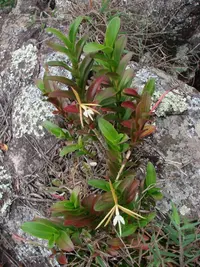
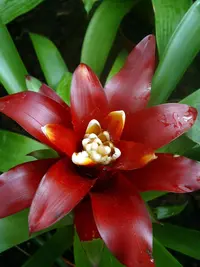
Tillandsia violacea is an epiphytic air plant from high-elevation pine and oak forests in Mexico. It naturally anchors to tree branches instead of growing in soil. The plant forms tight rosettes of narrow, silvery leaves that can develop into attractive clumps over time. Its violet to purple tubular flowers are showy and contrast well with the foliage. This species tolerates cooler temperatures better than many other air plants, which can make it more forgiving for indoor growers. It generally prefers bright filtered light, good air movement, and regular light misting rather than constant wetness, which influences how to care for Tillandsia violacea.

Main Plant Requirements

Care Difficulty

Moderate Care

Light Preference

Partial Shade

Water Requirements

Moderate Water

Temperature Preference

Warm Climate

Hardiness Zone

9–11

Soil Texture

Rocky, Sandy, Organic-rich

Soil pH

Acidic (5.5–6.5)

Soil Drainage

Well-drained

Fertilization

Minimal (feed rarely)

Get Personalized Care Plan

Scan your plant to receive care tips personalized for your specific plant

Available on iOS and Android

How to Care for the Tillandsia violacea

This high-elevation air plant prefers bright, indirect light with some gentle direct sun.

  • Provide 3–5 hours of bright, filtered light daily, such as dappled shade under a tree or morning sun with afternoon shade.
  • Avoid harsh midday sun, especially in hot, lowland climates, as leaves can scorch or bleach; pale, crispy tips signal excess light.
  • In winter, when the sun is weaker, Tillandsia violacea can handle a bit more direct exposure, but protect from intense reflected light.

This epiphytic species absorbs water through its leaves and needs thorough wetting followed by quick drying.

  • Soak or mist heavily until leaves are evenly wet, then allow them to dry fully within 2–4 hours; trapped water at the base can cause rot.
  • Increase watering frequency in hot, dry, or windy weather when leaves curl or feel very stiff, which indicates mild dehydration.
  • Reduce watering in cool, humid seasons; dark, soft, or mushy leaves and a sour smell indicate overwatering or poor air movement.

This cloud-forest air plant prefers cool to mild temperatures and good air movement.

  • Aim for 55–75°F (13–24°C) for steady growth, with cooler nights similar to montane forest conditions.
  • Protect from frost; short dips to about 32°F (0°C) may be survived if dry, but tissue damage increases below this range.
  • In summer, it tolerates up to 85–90°F (29–32°C) if shaded and well ventilated; prolonged heat without cooling nights stresses the plant.

This species prefers stable, moderately high humidity for sustained health.

  • Aim for 50–70% humidity, as very dry indoor air slows growth and can desiccate leaf tips.
  • Brown, curling leaf tips or leaves that feel crispy indicate humidity stress rather than underwatering for Tillandsia violacea.
  • Increase humidity with regular fine misting, grouping plants, or placing near a humidifier without directing strong wet airflow onto the plant.

Tillandsia violacea is an epiphytic air plant and does not grow in conventional potting soil.

  • Mount the plant on cork, hardwood, or a mesh surface using wire or non‑toxic glue, leaving the base fully exposed to air.
  • If placing in a decorative container, keep it soil‑free and use loose materials like large bark pieces or lava rock to hold it upright without covering the base.
  • Ensure excellent drainage and airflow; water should run off completely within minutes and no moisture should collect in cups or enclosed bases.
  • Avoid peat‑based mixes, dense moss packs, or any medium that stays wet around the base, which promotes rot and fungal issues.

This species can be grown in containers if they are used as open displays rather than traditional pots with soil.

  • Use shallow, wide containers with heavy bases to prevent toppling when the rosette becomes large and top‑heavy.
  • Choose porous materials like unglazed ceramic or lava rock pieces inside the container to reduce moisture around the plant base.
  • Position the plant elevated on stones or a mesh insert so excess water drains away quickly and does not pool at the lowest point.

This species grows in nutrient-poor habitats and usually needs little or no fertilization in gardens or containers.

Tillandsia violacea benefits from light, targeted pruning to maintain health and appearance.

  • Carry out pruning after flowering finishes or in late winter, before strong new growth starts.
  • Remove dead, dried, or clearly damaged leaves and spent flower stalks at their base.
  • Thin crowded rosettes gently to improve air flow without cutting into firm, green tissue.
  • Use clean, sharp scissors or hand pruners, disinfected with alcohol, to limit disease spread.

This epiphytic bromeliad is usually mounted rather than potted, so focus on gentle remounting or transplanting rather than frequent repotting.

  • Consider moving the plant when the base overgrows its mount, attachment fails, or growth slows despite good light and moisture.
  • Remount or transplant in spring to early summer, when temperatures are stable and growth is active.
  • Plan on remounting every 3–5 years, or sooner if the support material decays or becomes unstable.
  • Handle roots and basal tissues carefully, secure to the new mount with soft ties, and keep shaded and evenly moist for 1–2 weeks to reduce stress.

Propagation of Tillandsia violacea is most reliable through offsets rather than seed in home conditions.

  • Wait until offsets reach about one-third to one-half the size of the mother plant before removal.
  • Detach pups in late spring or early summer using clean, sharp scissors, keeping a small section of basal tissue attached.
  • Mount each offset on cork, bark, or another airy support, then secure loosely with wire or biodegradable string.
  • Provide bright filtered light, high humidity (60–70%), and frequent misting until roots anchor firmly.

This species is sensitive to hard frost and needs protection in regions with freezing winters.

  • Maintain temperatures above 32°F; sustained exposure below this can damage foliage and basal tissues.
  • In cold climates, grow Tillandsia violacea on removable mounts and bring indoors before the first frost.
  • Indoors, place in bright, cool light away from heat vents, and reduce watering while keeping occasional misting.
  • If short outdoor cold snaps occur, cover mounted plants with breathable frost cloth and ensure quick drying afterward.

Care Tips

Mounting strategy

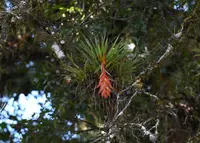
Mount plants on rough, untreated wood or cork positioned horizontally or slightly tilted, so water can drain off the base quickly and the plant dries within a few hours after misting or soaking.

Airflow optimization

Place plants near a fan set on low or in a naturally breezy window so that air moves gently around them, which helps prevent rot in the leaf bases and discourages fungal growth.

Rainwater collection

Collect clean rainwater in a covered container and use it for soaking or misting, as its low mineral content closely matches this species’ natural cloud-forest conditions and reduces leaf spotting from hard tap water.

Seasonal light shifts

Shift plants slightly farther from strong windows or under a brighter artificial light source as seasons change, maintaining similar light intensity year-round instead of leaving them in a single static position.

Cool-night simulation

If possible, place plants in a cooler spot at night (for example near a slightly open window or in a cooler room) to mimic high-elevation conditions, which supports long-term vigor when caring for Tillandsia violacea.

Common Pests and Diseases

Scale insects

These insects attach to leaf surfaces and bases, sucking sap and weakening the plant over time. Symptoms include small brown or gray bumps, sticky honeydew, and sooty mold on nearby surfaces.

Solution

Remove affected plants from crowded conditions, then manually scrape or pick off visible scale with a cotton swab or soft brush under running water. For persistent infestations, repeat thorough rinsing and apply a light horticultural soap spray, ensuring good air circulation so the plant dries quickly after treatment.

Mealybugs

These insects hide in the tight leaf bases and around the central rosette, forming white cottony clusters and feeding on plant sap. Symptoms include distorted growth, yellowing patches, and sticky residue.

Solution

Rinse plants under a strong but gentle stream of water, focusing on leaf bases and crevices. Follow up by dabbing remaining mealybugs with cotton swabs dipped in isopropyl alcohol and repeat inspections weekly until no new insects are seen, keeping the plant in bright air movement to dry quickly.

Leaf base rot

This disease develops when water remains trapped deep in the leaf bases in cool, stagnant air, allowing fungi and bacteria to break down the tissues. Symptoms include soft, brown, foul-smelling bases and leaves that detach easily from the central clump.

Solution

Trim and discard all soft or darkened tissue, then allow the plant to dry completely in very bright, moving air. Adjust watering so plants are soaked briefly and then turned to drain fully, avoiding water sitting in the rosette in cool conditions, and discard any plants where rot has reached the center of the clump.

Fungal leaf spotting

This disease appears under humid, poorly ventilated conditions, especially in dense mounts or clusters. Symptoms include small brown or purple spots on the blades that may merge into irregular patches but usually stay superficial.

Solution

Improve airflow and reduce prolonged surface moisture by spacing plants, increasing light within the recommended range for growing Tillandsia violacea, and watering early in the day so leaves dry by evening. Remove heavily spotted leaves and, if needed, apply a mild copper-based or sulfur-based fungicide, making sure plants dry rapidly after each treatment.

Spider mites

These pests thrive on plants kept too dry and warm, especially indoors with low humidity and little air movement. Symptoms include fine webbing, tiny pale speckles on leaves, and a dull, grayish appearance over time.

Solution

Rinse the plant thoroughly under water, paying attention to both sides of the leaves, then place it in brighter light with better air circulation and slightly higher humidity. Repeat washing every few days until no mites or webbing are visible, and avoid hot, stagnant locations that favor mite buildup.

Interesting Facts

High-elevation specialist

This species naturally grows as an epiphyte in cool, high-elevation pine and fir forests in central Mexico, often between about 2,000–3,000 m, which is unusually high for many air plants.

Cool-tolerant air plant

Unlike many tropical Tillandsia species, it is adapted to relatively low night temperatures and frequent fog in montane cloud forests, making it more tolerant of cool, moist conditions than most commonly grown air plants.

Important canopy epiphyte

In its native habitat it forms large clumps on branches, contributing to canopy microhabitats that hold moisture and provide shelter for small invertebrates and other organisms, an important ecological role in these forests.

Botan icon

Did you know?

Tillandsia violacea is considered endemic to Mexico, meaning it occurs naturally only there, with its main populations restricted to montane conifer forests such as those in the Trans-Mexican Volcanic Belt.

FAQs about Tillandsia violacea

Lack of flowering often comes from insufficient light, cool temperatures, or irregular moisture. Mature rosettes bloom once, then slowly decline while offsets develop. Stable bright conditions and consistent hydration help trigger flowering in the following growing seasons.

Grow Healthy Plants with Botan Care

Keep your plants happy and healthy with plant identification, disease detection, and easy care guidance.

Botan plant care app — identify plants on mobile

Explore More Plants