


Shear After Bloom
Once the main flush of flowers fades, shear the plant back by 5–10 cm to encourage a compact mound and a lighter second bloom later in the season.


Woolly chamomile (Anthemis tomentosa) is a low, spreading perennial from the Mediterranean region, often used as a groundcover or edging plant. It forms soft, silvery-gray, finely divided foliage that stays compact and gives a velvety look.
In summer it produces many small, daisy-like yellow flowers that contrast with the woolly leaves and attract pollinators. The plant prefers sunny, dry, well-drained sites and does not tolerate heavy, waterlogged soils.
Once established, it is relatively drought-tolerant and suits rock gardens and coastal plantings. Understanding how to care for Woolly Chamomile helps keep the foliage dense and the flowering consistent over many seasons.

Care Difficulty
Easy Care

Light Preference
Full Sun

Water Requirements
Low Water

Temperature Preference
Cold Hardy

Hardiness Zone
5–9

Soil Texture
Sandy, Loamy, Rocky

Soil pH
Slightly acidic (6.5–7.0), Slightly alkaline (7.0–7.5)

Soil Drainage
Well-drained

Fertilization
Minimal (feed rarely)
Scan your plant to receive care tips personalized for your specific plant
Available on iOS and Android
Anthemis tomentosa thrives in bright, open sites with strong direct sun.
This species prefers dry to moderately dry conditions and is sensitive to excess moisture.
This Mediterranean perennial prefers warm, dry conditions and tolerates moderate cold once established.
Humidity is not a critical factor for Anthemis tomentosa, which thrives in dry conditions.
Anthemis tomentosa prefers lean, fast-draining soil that mimics dry, rocky habitats.
This species is suitable for container growing, especially in sunny, dry spots.
This drought-tolerant perennial needs modest feeding, so focus on light, balanced nutrition during active growth.
Pruning helps keep Anthemis tomentosa compact, tidy, and flowering well.
This species is usually grown in the ground, with transplanting more relevant than frequent repotting.
Anthemis tomentosa is commonly propagated by division, cuttings, or seeds to renew clumps and create new plants.
This perennial is generally cold hardy in temperate climates and needs only modest winter attention.

Plant Health Check
Not sure what's wrong with your plant? Check your plant's health inside the app.
This species is naturally restricted to rocky, coastal areas of the eastern Mediterranean, especially around the Aegean, where it is adapted to shallow, well-drained, lime-rich soils.
The silvery, felted leaves are covered in fine hairs that reduce water loss and reflect intense sunlight, an adaptation to dry, exposed coastal habitats.
It forms tight, low cushions that rarely exceed 10–15 cm in height, helping stabilize thin, stony substrates and resist wind on cliffs and slopes.

In its native range, this plant is considered valuable in rock garden and alpine collections because its combination of extreme drought tolerance, compact mat-forming habit, and prolonged summer blooming is relatively uncommon among Mediterranean daisies.
Lack of blooms often comes from insufficient light, overly rich or wet soil, or heavy, untimed pruning. Deadhead spent flowers, avoid high-nitrogen fertilizer, and keep soil well-drained to support strong bud formation and extended flowering.
Keep your plants happy and healthy with plant identification, disease detection, and easy care guidance.

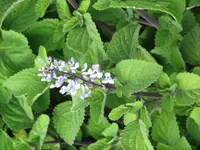
Zulu Spurflower
Plectranthus zuluensis
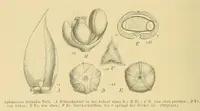
San Diego coastalcreeper
Aphanisma blitoides
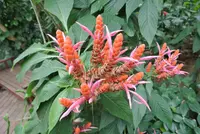
Aphelandra sinclairiana
Aphelandra sinclairiana
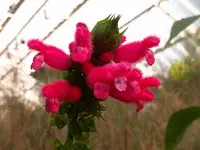
Bolivian hummingbird sage
Salvia oxyphora
Carpetflower
Aptosimum procumbens
orange-tipped dandelion
Taraxacum obliquilobum
doublehorn calicoflower
Downingia bicornuta
Crisp Plumeiris
Tritonia undulata