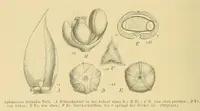
Anthemis aetnensis Care

Anthemis aetnensis

About Anthemis aetnensis

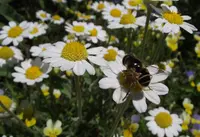
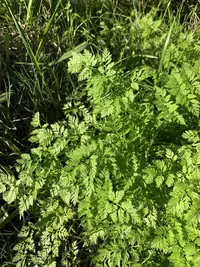
Anthemis aetnensis is a small perennial herb in the daisy family, forming low, bushy clumps with finely divided, aromatic foliage. It produces yellow, chamomile-like flower heads that give a soft, natural look.

This species is native to rocky, dry slopes around Mount Etna in Sicily, so it is adapted to poor, well-drained soils and intense sun. Its tolerance of drought and wind makes it a suitable choice for rock gardens and dry borders.

Gardeners who want to learn how to care for Anthemis aetnensis should note that it prefers bright light, low to moderate moisture, and soils that do not stay wet for long periods.

Main Plant Requirements

Care Difficulty

Easy Care

Light Preference

Full Sun

Water Requirements

Low Water

Temperature Preference

Cool Climate

Hardiness Zone

6–9

Soil Texture

Sandy, Loamy, Rocky

Soil pH

Slightly acidic (6.5–7.0), Slightly alkaline (7.0–7.5)

Soil Drainage

Well-drained

Fertilization

Minimal (feed rarely)

Get Personalized Care Plan

Scan your plant to receive care tips personalized for your specific plant

Available on iOS and Android

How to Care for the Anthemis aetnensis

This sun-loving Mediterranean perennial needs strong light to flower well.

  • Provide 6–8 hours of direct sun daily; in hot inland areas, give Anthemis aetnensis full morning sun with light afternoon shade to reduce stress.
  • Plant in an open, unshaded spot; it tolerates brief partial shade but flowering and compact growth decline with less than 4–5 hours of sun.
  • In summer heat waves, monitor foliage for scorch or bleaching and offer light shade cloth; in low-light seasons, avoid shading from taller plants or structures.

This species prefers dry to moderately moist conditions and is sensitive to excess water.

  • Allow the top 3–5 cm of soil to dry before watering; in the ground, this often means waiting until foliage looks slightly less turgid rather than following a fixed schedule.
  • Use sharply drained, gritty soil so water runs through within seconds; standing water or heavy clay greatly increases root rot risk for Anthemis aetnensis.
  • In cool seasons and during prolonged cloudy or rainy periods, reduce or skip watering; yellowing, soft stems suggest overwatering, while crispy, drooping leaves indicate underwatering.

This plant is adapted to warm, dry climates with mild winters and cool nights.

  • Aim for active growth in 60–80°F (16–27°C); it handles brief spikes to 90°F (32°C) if soil is well drained and roots are not waterlogged.
  • Protect from hard frost; foliage can be damaged below about 28°F (-2°C), and repeated drops near 25°F (-4°C) may kill young plants.
  • In regions with hot summers, high temperatures above 90–95°F (32–35°C) combined with high humidity can stress plants, so avoid reflected heat from walls or paving.

This species prefers relatively dry air and usually does not need special humidity management indoors or outdoors.

  • Aim for 30–50% humidity, similar to most heated or air-conditioned homes, when caring for Anthemis aetnensis.
  • Plant in a freely draining medium so foliage and soil dry quickly, reducing any moisture-related stress.
  • If leaves yellow while stems remain limp and soil stays wet, reduce ambient humidity and increase air movement around the plant.

Anthemis aetnensis thrives in lean, fast-draining mineral soils that mimic rocky, Mediterranean slopes.

  • Use a gritty mix such as 50–60% coarse sand or fine gravel with the rest loam and a small amount of compost to supply structure and nutrients.
  • Ensure rapid drainage; water should pass through the profile within seconds, with no puddling or lingering surface sheen.
  • Keep pH slightly alkaline to neutral, around 7.0–8.0, by avoiding peat-heavy mixes and, if needed, adding a little garden lime.
  • Avoid dense, high-peat or clay-rich substrates that hold water, limit aeration, and increase the risk of root rot.

This species adapts well to container culture when provided with sharp drainage and a stable, shallow root space.

  • Select a wide, relatively shallow pot to match its spreading habit and prevent the root zone from staying wet at depth.
  • Choose an unglazed terracotta container to increase evaporation and keep the substrate drier between waterings.
  • Elevate the pot slightly on feet or bricks so drainage holes stay clear and excess water leaves the container immediately.

This drought-adapted perennial needs only light feeding to stay healthy in average garden soil.

  • Apply a thin layer of compost around the root zone in early spring to support new growth.
  • Use a balanced, slow-release fertilizer (around 10-10-10) at half strength once in spring if soil is poor.
  • Avoid high-nitrogen products, which encourage weak, leafy growth instead of flowers.
  • Do not feed Anthemis aetnensis during winter dormancy to prevent soft, frost‑sensitive growth.

Thoughtful pruning helps keep Anthemis aetnensis compact, long-flowering, and tidy.

  • Deadhead spent blooms through the growing season using clean scissors or snips to extend flowering.
  • In late summer or early fall, lightly shear back leggy stems to maintain a dense, rounded shape.
  • Remove any dead, diseased, or storm-damaged stems whenever noticed to reduce disease risk.
  • Avoid cutting into very old, woody bases; focus on younger, green growth for shaping.

This species is usually grown in open ground, so care focuses on transplanting rather than frequent repotting.

  • Transplant in early spring or early fall, when temperatures are mild and soil moisture is steady.
  • Look for signs such as crowded clumps, poor flowering, or slow growth in compacted soil as cues to move or divide plants.
  • Lift with a broad soil ball, minimize root disturbance, and replant at the same depth to limit stress.
  • Water thoroughly after transplanting, then keep soil lightly moist (not waterlogged) for 1–2 weeks while roots reestablish.

Expansion of plantings is straightforward, mainly through seed and clump division.

  • Sow seeds in late winter to early spring in a gritty, well-drained mix; provide bright light and moderate warmth (60–68°F).
  • Barely cover seeds, keep evenly moist but not wet, and ensure good air flow to limit damping-off disease.
  • Divide established clumps in early spring, retaining several healthy shoots and roots per division.
  • Replant divisions immediately, water in well, and maintain slightly moist soil until new growth resumes.

This Mediterranean species is moderately hardy in mild climates and needs some winter attention in colder regions.

  • In USDA zones around 7–8, plants often overwinter in well-drained soil without heavy intervention.
  • Apply a light, dry mulch layer around the crown in late fall to buffer freeze–thaw cycles.
  • For containers, move pots to a sheltered, unheated but frost-free spot and keep the mix just barely moist.

Care Tips

Encourage Bushy Growth

Pinch back young stems by 1–2 in early in the season to promote branching, increase flower production, and keep plants compact in windy or exposed sites.


Timed Hard Shear

After the main flush of blooms fades, shear the plant back by about one-third, then lightly top-dress with composted organic matter to trigger a dense second wave of flowering.

Improve Heat Resilience

In hotter climates, add a light-colored gravel mulch around the root zone to reflect heat, keep the crown dry, and reduce soil temperature stress during peak summer.

Optimize Drainage Mounds

On heavy or marginal soils, plant on slightly raised mounds or low berms 5–10 cm high to protect the crown from standing water and reduce root rot risk when growing Anthemis aetnensis.

Manage Self-Seeding

If natural reseeding is desired, leave some spent flower heads on the plant until they dry fully, but deadhead the rest promptly to prevent excessive spread and maintain a controlled planting area.

Common Pests and Diseases

Powdery mildew

This disease appears in humid, stagnant air with warm days and cool nights, forming white, powdery patches on leaves and stems. Symptoms include yellowing, distortion, and premature leaf drop that weakens the plant and reduces flowering.

Solution

Remove and discard the most affected shoots to reduce spore load, then improve air circulation by thinning crowded stems and avoiding overhead watering. If needed, treat foliage with a sulfur-based or potassium bicarbonate fungicide labeled for ornamentals, applying in dry weather and repeating as directed until new growth appears clean.

Botrytis blight

This disease develops in prolonged cool, damp conditions and causes brown, water-soaked spots on leaves, flower buds, and petals that soon become covered with grey, fuzzy mold. Symptoms include collapse of buds and mushy stem sections near the soil line.

Solution

Cut off and dispose of all affected flowers and foliage, then increase airflow and keep the plant as dry as possible at night by watering early in the day at the base. In persistent cases, use a registered ornamental fungicide for Botrytis, rotating products if repeated treatments are required and avoiding overhead irrigation to limit reinfection.

Aphids

These insects cluster on tender stems and flower stalks, sucking sap and causing curling, distortion, and sticky honeydew on nearby foliage. This pest can also transmit plant viruses that lead to mottled or stunted growth.

Solution

Dislodge colonies by spraying the plant with a strong stream of water, then follow with targeted applications of insecticidal soap or neem oil, coating the undersides of leaves and young stems. Encourage natural predators such as lady beetles by avoiding broad-spectrum insecticides and monitor new growth regularly during active shooting and budding.

Leaf miners

These insects create pale, winding tunnels inside the leaves as larvae feed between the upper and lower leaf surfaces. Symptoms include serpentine trails, blotchy areas, and premature yellowing of heavily damaged foliage.

Solution

Remove and discard mined leaves as soon as trails are seen to reduce the larvae population before adult flies emerge. For ongoing problems, use sticky traps to monitor adults and apply a systemic or translaminar insecticide specifically labeled for leaf miners, timing treatments to coincide with new flushes of growth to protect fresh foliage.

White rust

This disease, caused by Albugo species, produces pale yellow spots on the upper leaf surface with corresponding white, blister-like pustules on the underside. Symptoms include distorted leaves and reduced vigor, especially in dense plantings or wet conditions.

Solution

Promptly remove and destroy infected leaves to reduce spore spread, and avoid overhead irrigation that keeps foliage wet for long periods. In sites with recurring issues when growing Anthemis aetnensis, consider crop rotation, use well-drained soil, and apply a preventive systemic fungicide labeled for rust diseases if conditions favor infection.

Interesting Facts

Etna volcanic specialist

This species is endemic to Mount Etna in Sicily, occurring mainly on volcanic slopes and lava substrates, where it tolerates highly mineral, fast-draining soils with low organic matter.

Pioneer on lava flows

The plant often behaves as a pioneer species on young volcanic deposits, helping to stabilize loose ash and lava debris and gradually creating conditions that allow other plants to establish.

Compact, mat-forming habit

It typically forms low, cushion-like mats or tufts rather than tall stems, an adaptive growth form that helps reduce wind stress and water loss in the exposed, high-altitude habitats of Etna.

Botan icon

Did you know?

Anthemis aetnensis is considered a narrow endemic species whose natural distribution is essentially restricted to the Mount Etna massif, making it of particular interest for studies on plant evolution and isolation in volcanically active mountain systems.

FAQs about Anthemis aetnensis

This daisy-like species is very attractive to pollinators. Its yellow composite flowers provide both nectar and pollen, drawing bees, hoverflies, and some butterflies, especially when planted in sunny, open, low-spray gardens.

Grow Healthy Plants with Botan Care

Keep your plants happy and healthy with plant identification, disease detection, and easy care guidance.

Botan plant care app — identify plants on mobile

Explore More Plants