Asiatic jasmine Care (Trachelospermum asiaticum)

Asiatic jasmine

About Asiatic jasmine

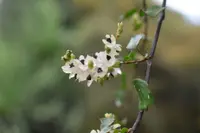
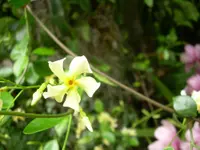
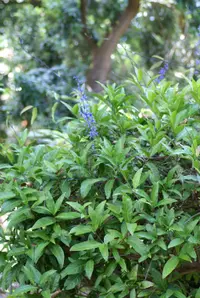
Asiatic jasmine, Trachelospermum asiaticum, is a low, spreading evergreen vine often grown as a dense groundcover or allowed to climb with support. It has small, glossy leaves that form a tight mat, and in suitable climates it may produce small, fragrant, star-shaped flowers.

This species is native to East Asia, where it grows in warm, humid regions with partial shade. It is valued in landscapes for its toughness, shade tolerance, and ability to suppress weeds.

Asiatic jasmine is generally considered easy to grow, adapting to a range of soils if drainage is good. Understanding how to care for Asiatic jasmine mainly involves providing moderate light, regular but not excessive moisture, and protection from severe cold.

Main Plant Requirements

Care Difficulty

Easy Care

Light Preference

Partial Sun

Water Requirements

Moderate Water

Temperature Preference

Warm Climate

Hardiness Zone

7–10

Soil Texture

Sandy, Loamy, Organic-rich

Soil pH

Acidic (5.5–6.5), Slightly acidic (6.5–7.0)

Soil Drainage

Well-drained

Fertilization

Minimal (feed rarely)

Get Personalized Care Plan

Scan your plant to receive care tips personalized for your specific plant

Available on iOS and Android

How to Care for the Asiatic jasmine

This evergreen groundcover prefers bright conditions but adapts to a range of light exposures outdoors.

  • Provide 4–6 hours of morning sun with afternoon shade; strong late-day sun, especially in summer, can scorch leaves.
  • Asiatic jasmine tolerates partial to full shade, but in dense shade growth becomes more open and flowering is reduced.
  • In hot climates, prioritize dappled or filtered light under trees; in cooler regions, it can handle more direct sun through spring and fall.

This vine prefers evenly moist, well-drained soil rather than constant saturation.

  • Water when the top 3–5 cm of soil feels dry, using deeper, less frequent soakings instead of light daily sprinkles.
  • During hot, dry periods, increase frequency, but reduce watering in cool or rainy seasons to avoid root rot in Trachelospermum asiaticum.
  • Signs of underwatering include dull, drooping foliage; overwatering shows as yellowing leaves and persistently soggy soil, especially in heavy clay.

This species is fairly cold-hardy but grows best in mild, stable temperatures.

  • Optimal growth occurs around 65–80°F (18–27°C), with strongest vegetative growth in late spring and early summer.
  • Mature plants often tolerate down to about 10–15°F (-12 to -9°C) once established, but young plants are more vulnerable to hard freezes.
  • Protect from prolonged frost and drying winter winds, and in very hot regions above 95°F (35°C) provide shade and mulch to keep roots cooler.

This species tolerates a wide humidity range but grows best with moderate ambient moisture.

  • Aim for 40–60% humidity; typical indoor and outdoor conditions in most homes and gardens are acceptable.
  • Leaves curling, browning at the edges, or drying tips can indicate humidity stress, especially in heated rooms.
  • To support Asiatic jasmine in very dry indoor air, group plants together or place the container on a pebble tray with water below the pot base.

Trachelospermum asiaticum prefers airy, moisture-retentive but free-draining soil.

  • Use a loamy mix combining roughly 50% all-purpose potting mix, 30% compost, and 20% perlite or coarse sand for structure and drainage.
  • Aim for slightly acidic to neutral pH (6.0–7.0), avoiding strongly alkaline soils that can limit nutrient availability.
  • Improve aeration in heavy or clay-based ground by working in coarse sand, fine bark, or grit to create larger pore spaces.
  • Avoid compacted, waterlogged, or consistently soggy soil, which promotes root rot and weak, shallow root systems.

This species is well suited to container growing on patios, balconies, or near supports.

  • Choose a wide, stable pot to accommodate its spreading habit and prevent tipping as vines trail or climb.
  • Select a slightly heavier material, such as ceramic or thick plastic, to stabilize the container against wind once growth becomes dense.
  • Ensure large, unobstructed drainage holes so excess irrigation or rainwater exits quickly, preventing water accumulation at the root zone.

Trachelospermum asiaticum benefits from modest, consistent feeding during the main growing season.

  • Use a balanced, slow-release fertilizer (for example 10-10-10) or a thin layer of compost in spring.
  • Feed container plants every 4–6 weeks in spring and summer with a half-strength balanced liquid fertilizer.
  • Reduce or stop feeding in fall and winter when growth slows or stops.
  • Always water before and after applying fertilizer to limit root burn risk.

Pruning helps keep Trachelospermum asiaticum dense, tidy, and within its allotted space.

  • Plan main shaping and size control in late winter or early spring before strong new growth starts.
  • Remove dead, damaged, or crossing stems first, then shorten overly long or tangled runners.
  • Use clean, sharp pruners to make angled cuts just above a leaf node.
  • Light trimming after flowering can encourage bushier growth and more uniform coverage on supports.

Asiatic jasmine is often used as groundcover, so transplanting in-ground plants is more common than repotting.

  • Transplant or up-pot in spring or early fall when conditions are mild and soil is workable.
  • Look for signs such as roots circling the pot, quick drying soil, or slow growth in containers.
  • Move to a container or planting hole 1–2 sizes larger, using well-drained soil and firming gently around roots.
  • Water thoroughly after transplanting, then keep evenly moist and shaded from harsh sun for 7–10 days to reduce stress.

Trachelospermum asiaticum is commonly propagated from stem cuttings or simple layering.

  • Take semi-ripe cuttings in late spring or summer, 8–10 cm long, with several leaf nodes.
  • Remove lower leaves, dip the cut end in rooting hormone, and place in a moist, well-drained medium.
  • Maintain high humidity and bright, indirect light at 68–75°F until roots form.
  • For layering, pin a flexible stem to the soil, cover a node, keep moist, then sever once rooted.

This plant is moderately cold hardy but may need some winter care in colder regions.

  • In USDA zones around the edge of its hardiness, add 5–8 cm of mulch over the root zone in late fall.
  • Avoid heavy pruning late in the season so stems can mature before freezing weather.
  • Container plants in colder climates should be moved to a sheltered, frost-free, bright spot.
  • Water sparingly in winter, keeping soil barely moist, as cold, waterlogged conditions increase root damage risk.

Care Tips

Layering for Coverage

To quickly fill bare ground, peg down flexible stems so that leaf nodes touch the soil, keep that area lightly moist, and allow them to root before cutting from the mother plant.

Directing Vine Growth

Install low wires, plastic pins, or small stakes along paths and edges, then gently weave or clip stems to them every few weeks so the plant forms a controlled mat instead of wandering into beds and lawns.

Protecting Tree Trunks

If planting at the base of trees, keep a clear ring around the trunk and lightly prune back climbing shoots so the vine does not girdle or shade out the bark over time.

Winter Stress Management

In colder zones, reduce foot traffic, pet activity, and heavy snow piles on the planting area over winter to limit crown damage and stem breakage, especially in exposed sites.

Monitoring under Mulch

If mulch is used to suppress weeds, keep it thin (1–2 in) and periodically pull it back from the stems to check for rot, pests, or buried growth when caring for Asiatic jasmine.

Common Pests and Diseases

Tea scale

This pest forms small, flattened, brown or white bumps along stems and leaf undersides, causing yellowing and thinning foliage over time.

Solution

Prune out heavily infested stems, then wipe remaining leaves and stems with a cloth dipped in mild soapy water or horticultural oil to dislodge scales and their protective covers. For persistent infestations on outdoor plantings, apply a labeled horticultural oil spray targeting the crawler stage and repeat as directed while monitoring new growth closely, which is essential for Trachelospermum asiaticum plant care in warm regions.

Spider mites

These insects are tiny sap-feeders that thrive in hot, dry conditions, leading to stippled leaves, fine webbing, and gradual leaf drop on Asiatic jasmine groundcovers and trellised plants.

Solution

Rinse foliage thoroughly with a strong but gentle jet of water, focusing on leaf undersides, and repeat several times over 1–2 weeks to reduce mite numbers. In dry climates, increase ambient humidity around container plants and, if needed, use insecticidal soap or horticultural oil labeled for mites, applied in the early morning or evening to avoid leaf burn.

Leaf spot

This disease causes scattered tan, brown, or dark purple spots on leaves, sometimes with yellow halos, and can lead to premature leaf drop in dense plantings.

Solution

Remove and discard affected leaves and any fallen debris, then thin or trim the planting to improve light penetration and airflow. Avoid overhead watering, keep foliage as dry as possible, and in severe, recurrent cases use a broad-spectrum fungicide labeled for ornamental vines, following directions carefully.

Sooty mold

This disease appears as a black, soot-like coating on leaves and stems, usually growing on the sticky honeydew excreted by sap-sucking insects such as scale or aphids.

Solution

First control the underlying insect problem by washing foliage and using insecticidal soap or horticultural oil on the pests. Once insect activity is reduced, gently wipe or rinse leaves to remove the fungal coating and improve light absorption, repeating as needed while keeping the plant well ventilated.

Mealybugs

These insects form white, cottony clusters in leaf axils and along stems, sucking sap and causing distorted new growth and general decline in potted or sheltered Asiatic jasmine plants.

Solution

Isolate affected plants, then dab visible mealybugs with cotton swabs dipped in isopropyl alcohol to dissolve their waxy coating and remove them. Follow up with repeated treatments of insecticidal soap or horticultural oil targeted at hiding sites, and inspect regularly, especially around dense nodes and under leaves.

Interesting Facts

Evergreen groundcover strategy

This species forms dense, low mats with small opposite leaves that persist year-round, which helps it outcompete many herbaceous plants and stabilize soil on slopes and banks.

Shade-tolerant photosynthesis

It is notably efficient at using low light, with a leaf structure and chlorophyll distribution that allow it to maintain growth and foliage density even in fairly deep shade.

Subtle, night-scented flowers

The small, yellow to creamy star-shaped flowers often release a stronger fragrance in the evening, which likely helps attract nocturnal pollinators in its native East Asian range.

Botan icon

Did you know?

In parts of the southeastern United States, this species has naturalized so successfully along forest edges and urban woodlands that land managers sometimes monitor and control its spread to protect local understory plant diversity.

FAQs about Asiatic jasmine

This species forms a dense, slowly creeping mat through stems that root at the nodes. In suitable climates it can cover wide areas over time, but is usually manageable with edging, regular pruning, and defined planting boundaries.

Grow Healthy Plants with Botan Care

Keep your plants happy and healthy with plant identification, disease detection, and easy care guidance.

Botan plant care app — identify plants on mobile

Explore More Plants