Provide firm support
Install a sturdy trellis or wires early and gently tie new shoots with soft ties, as mature stems harden and are more likely to snap if forced into position later.

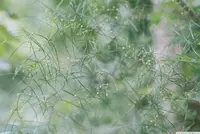
Vining asparagus (Asparagus verticillatus) is a twining, herbaceous climber from southeastern Europe and western Asia. It belongs to the asparagus family but is grown as an ornamental, not for eating. The plant forms slender, climbing stems with fine, needle-like cladodes that give it a soft, feathery look. In suitable conditions it can cover trellises or fences and develop small white flowers followed by reddish-purple berries. This species prefers sun to light shade, moderate moisture, and well-drained soil. Its vigorous growth and drought tolerance make it fairly adaptable once established, which helps explain how to care for vining asparagus in home gardens.

Care Difficulty
Moderate Care

Light Preference
Full Sun

Water Requirements
Moderate Water

Temperature Preference
Warm Climate

Hardiness Zone
6–9

Soil Texture
Sandy, Loamy, Rocky

Soil pH
Acidic (5.5–6.5), Slightly acidic (6.5–7.0)

Soil Drainage
Well-drained

Fertilization
Minimal (feed rarely)
Scan your plant to receive care tips personalized for your specific plant
Available on iOS and Android
This climbing perennial prefers bright conditions that mimic open woodland edges.
This species prefers evenly moist but never waterlogged soil during active growth.
This hardy climber tolerates a wide outdoor temperature range if protected from severe frost.
This species tolerates a wide humidity range but grows best with moderate air moisture.
Asparagus verticillatus prefers well-drained, slightly gritty soil that keeps roots aerated while holding moderate moisture.
This species is well suited to container growing when the pot supports its vining habit and root system.
Asparagus verticillatus responds well to light, balanced feeding during its active growing season.
Pruning Asparagus verticillatus keeps the vine manageable and supports healthy, well-lit growth.
This species forms a fibrous, sometimes tuberous root system that benefits from careful, infrequent moves.
Asparagus verticillatus is commonly propagated by seed, sometimes by division of mature clumps.
This vine is fairly cold hardy in the ground but still benefits from simple winter management in colder regions.

Plant Health Check
Not sure what's wrong with your plant? Check your plant's health inside the app.
This species produces long, twining stems with tiny scale-like leaves and flattened, needle-like cladodes that do most of the photosynthesis, giving a leafy appearance without true foliage.
Unlike many ornamental asparagus species, it tolerates significantly colder winters and can survive in continental climates where temperatures drop below freezing, dying back above ground but resprouting from its root system.
After flowering, it forms glossy red berries that are attractive to birds, which help disperse the seeds, but these fruits are considered inedible for humans due to their irritating compounds.

In suitable conditions it can behave as a semi-woody climber, reaching several meters in length and scrambling over shrubs or trellises, which makes Asparagus verticillatus visually more similar to a light, deciduous vine than to the familiar edible asparagus grown for its spears.
Lack of flowers usually comes from insufficient light, young age, or heavy pruning of mature stems. Ensure strong seasonal growth, avoid cutting new shoots too early, and keep the plant stress-free to support blooming.
Keep your plants happy and healthy with plant identification, disease detection, and easy care guidance.