limpleaf fern Care (Microlepia speluncae)

Also known as: Cave Fern
limpleaf fern

About limpleaf fern

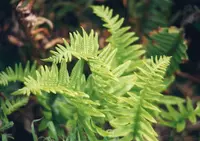
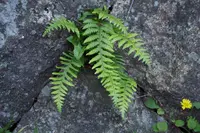
Limpleaf fern (Microlepia speluncae) is a graceful, finely textured fern grown mainly for its soft, arching fronds and lush, layered look. It forms loose clumps that can spill over pot edges or soften shaded garden borders.

This species is native to tropical and subtropical Asia and often grows in moist, sheltered forest habitats. Its preference for steady moisture and humidity makes it less forgiving of neglect, but manageable for attentive growers.

In cultivation it responds best to bright, indirect light, evenly moist but not waterlogged soil, and protection from harsh sun or dry air. With this understanding, it becomes easier to plan how to care for limpleaf fern successfully indoors or in sheltered outdoor spots.

Main Plant Requirements

Care Difficulty

Moderate Care

Light Preference

Partial Shade

Water Requirements

Keep Soil Moist

Temperature Preference

Tropical / Frost Sensitive

Hardiness Zone

10–11

Soil Texture

Loamy, Peaty, Organic-rich

Soil pH

Acidic (5.5–6.5)

Soil Drainage

Moist but well-drained

Fertilization

Light (every 4–6 weeks)

Get Personalized Care Plan

Scan your plant to receive care tips personalized for your specific plant

Available on iOS and Android

How to Care for the limpleaf fern

Microlepia speluncae prefers bright, indirect light that mimics a shaded forest understory.

  • Provide 2–4 hours of gentle morning sun with filtered or dappled light the rest of the day; avoid direct midday or afternoon sun that can scorch fronds.
  • Plant in partial to full shade outdoors, under trees or on the north or east side of buildings, where it receives only broken light.
  • In summer, increase shade during heat waves; in winter, allow a bit more morning light while still protecting from harsh direct rays.

This fern prefers consistently moist, but not waterlogged, soil.

  • Water when the top 1–2 cm of soil feels slightly dry; the root zone below should stay evenly damp, resembling a wrung-out sponge.
  • Use loose, humus-rich soil with good drainage so excess water runs off easily, reducing risk of root rot and sour, stagnant smells.
  • In warmer months, check moisture more often and increase watering; in cooler seasons, let the surface dry a bit more and watch for crisping fronds as a sign of underwatering.

This fern grows best in mild, frost-free conditions with stable temperatures.

  • Aim for 60–80°F (16–27°C) for active growth, which aligns with typical shaded woodland or sheltered garden conditions.
  • Protect from cold below 40°F (4°C); prolonged exposure near freezing can damage fronds, and hard frost may kill the crown.
  • During hot spells above 85°F (29°C), increase shade and humidity and ensure soil does not dry out completely, as heat stress can cause frond scorch and collapse.

This fern needs consistently high humidity to maintain healthy, flexible fronds.

  • Aim for 60–80% humidity; growth slows and fronds crisp at levels near or below 40%.
  • Limpleaf fern shows low humidity stress as browning tips, rolled frond edges, and stalled new growth.
  • Increase humidity with a room humidifier, grouped plants, and a wide pebble tray placed directly under the pot.

Microlepia speluncae prefers a light, moisture-retentive but airy substrate.

  • Use a loose, organic-rich mix such as 2 parts peat or coco coir, 1 part fine bark, and 1 part perlite.
  • Ensure fast drainage so water moves through within seconds, but leaves the mix evenly damp, not waterlogged.
  • Keep pH slightly acidic to neutral, around 5.5–6.8, avoiding alkaline mixes based on large amounts of garden soil.
  • Improve aeration by including fine orchid bark or coarse perlite and avoiding compaction from heavy pressing or repeated saturation.

This species is well suited to container growing, especially in shaded patios or sheltered outdoor spots.

  • Choose a broad, shallow pot to accommodate its spreading rhizomes and prevent crowding at the edges.
  • Use a slightly heavier container or add weight at the base to keep the airy fronds from tipping the pot in wind.
  • Select plastic or glazed ceramic over unglazed clay if faster moisture loss from porous walls is a recurring problem.

This fern responds well to light feeding during active growth but is sensitive to excess salts.

  • Use a balanced liquid fertilizer (for example 10-10-10) at 1/4–1/2 strength for limpleaf fern in spring and summer.
  • Apply every 4–6 weeks when new fronds are expanding, on already-moist soil to prevent root burn.
  • Skip synthetic fertilizer in fall and winter; the plant’s growth slows and nutrient demand drops sharply.
  • Occasionally substitute a thin layer of fine compost on the soil surface as a gentle, slow nutrient source.

Microlepia speluncae benefits from light, hygiene-focused pruning rather than structural reshaping.

  • Best timing is late winter to early spring, before strong new growth, with touch-up pruning through the growing season.
  • Remove dead, yellowing, or damaged fronds at the base using clean, sharp scissors or pruning shears.
  • Thin out crowded or inward-leaning fronds to improve air flow and maintain a balanced, arching habit.
  • Disinfect tools before and after use to limit disease spread, especially if any fronds show spotting or rot.

This fern prefers consistent conditions and only occasional repotting or transplanting.

  • Plan to repot every 2–3 years, or when roots circle the pot, water drains too quickly, or growth slows despite good care.
  • Best time is early spring, just before strong new growth, so roots can recover in mild conditions.
  • Choose a pot 2–3 cm wider, with drainage holes, and use a loose, moisture-retentive mix rich in organic matter.
  • Gently tease apart circling roots, trim broken ones, water thoroughly after potting, and keep humidity high for 1–2 weeks to reduce stress.

This fern is most practically multiplied by division rather than from spores for home growers.

  • Carry out division in early spring when new croziers (emerging fronds) first appear and temperatures are mild.
  • Lift the clump, then split into sections each with healthy rhizome, roots, and several viable fronds.
  • Plant divisions into small pots with a fine, airy, humus-rich mix and firm gently around the roots.
  • Maintain high humidity, evenly moist soil, and indirect light until new growth confirms successful establishment.

This fern is frost-sensitive and needs protection in climates with cold winters.

  • In zones colder than 10, grow in containers and move indoors before temperatures drop near 40°F.
  • Indoors, provide bright, indirect light, high humidity, and keep temperatures around 60–75°F.
  • Outdoors in mild climates, add a 5–8 cm mulch layer around the root zone to buffer short cool spells.

Care Tips

Frond renewal

Allow older fronds to yellow fully, then remove them cleanly at the base with sterilized scissors to keep the crown open, reduce fungal risk, and encourage fresh, vigorous growth.

Cool root management

Use a slightly wider, shallow pot and top-dress with fine bark or sphagnum to keep the root zone cool and evenly moist, which supports stable foliage in warm indoor conditions.

Gentle air movement

Place a low-speed fan several feet away to maintain light air circulation around the plant, which helps dry frond surfaces after watering and reduces issues with botrytis and other fungal spots.

Portion-based repotting

Instead of potting into a much larger container, divide and repot only sections of the clump every 2–3 years to prevent soil from staying wet too long around the roots.

Gradual site shifts

When relocating the plant outdoors for summer or back indoors, shift its position over 7–10 days with small changes in light and airflow so the fronds adapt gradually and avoid shock while growing limpleaf fern.

Common Pests and Diseases

Scale insects

This pest attaches to fronds and stems as small brown or tan bumps, sucking sap and causing yellowing, weak fronds, and sticky honeydew on nearby surfaces.

Solution

Wipe fronds and stipes with a cotton pad dipped in diluted insecticidal soap or horticultural oil, repeating every 7–10 days until new growth is clean, and isolate the plant from others to limit spread while maintaining good humidity and air movement.

Mealybugs

These insects hide along rachises and in frond bases as white cottony clumps, leading to stunted growth, distorted new fronds, and sticky residue that can attract sooty mold.

Solution

Remove visible clusters with a cotton swab dipped in isopropyl alcohol, then follow with a gentle insecticidal soap spray focused on leaf joints and undersides, repeating treatments and inspecting new croziers regularly as part of Microlepia speluncae care.

Fern aphids

This pest forms soft green or black colonies on tender new fronds, causing puckering, curling, and general decline of young growth along with honeydew deposits.

Solution

Rinse the plant thoroughly under a gentle shower or hose to dislodge colonies, then apply insecticidal soap to new growth and undersides of fronds, repeating weekly until no aphids are seen and avoiding strong direct sun after spraying.

Rhizoctonia leaf spot

This disease causes water-soaked, irregular brown lesions that start on lower or crowded fronds, which can merge and lead to blighted sections, especially in warm, stagnant, high-humidity conditions.

Solution

Remove and discard affected fronds, improve spacing and airflow around the plant, avoid wetting the foliage during watering, and if spread continues, apply a labeled fungicide for leaf spot on ferns, following label directions carefully.

Botrytis blight

This disease shows as soft brown patches on fronds that develop a gray, fuzzy mold, usually in cool, humid, poorly ventilated areas or when fronds stay wet for long periods.

Solution

Cut off and dispose of all infected tissue, increase air circulation, keep fronds dry by watering at the soil level, reduce overcrowding, and in severe indoor cases, use a suitable fungicide while correcting the underlying humidity and ventilation issues.

Interesting Facts

Distinct arching fronds

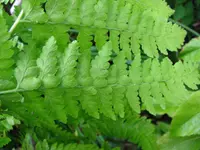
This fern forms loose, fountain-like clumps with long arching fronds that can exceed 90 cm in ideal conditions, giving it a soft, cascading habit distinct from many stiffer ground ferns.

Preference for limestone

In parts of its native Asian range, this species often grows on or near limestone or calcareous substrates, showing a tolerance for mildly alkaline conditions that is unusual for many ferns that favor more acidic soils.

Shade-tolerant pioneer

It commonly colonizes humid, shaded rocky slopes and cave mouths, acting as an early colonizer in disturbed, moist forest microhabitats where it helps stabilize soil and retain humidity near the ground.

FAQs about limpleaf fern

This species is a true fern and does not produce flowers or blooms. Instead, it reproduces by spores, which form in small clusters (sori) on the undersides of mature fronds when conditions are suitable.

Grow Healthy Plants with Botan Care

Keep your plants happy and healthy with plant identification, disease detection, and easy care guidance.

Botan plant care app — identify plants on mobile

Explore More Plants