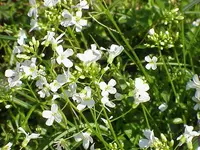
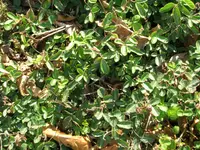
tropical sage Care (Salvia misella)

Also known as: River sage
tropical sage

About tropical sage

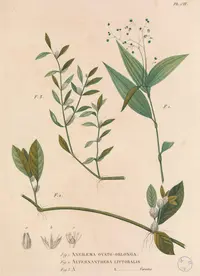
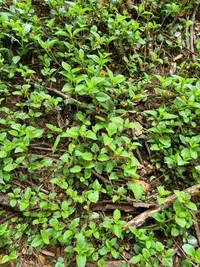
Tropical sage (Salvia misella) is a small, short-lived perennial or subshrub from warm regions of the Americas. It often grows as a groundcover or low, sprawling plant. Leaves are soft, green, and lightly aromatic when crushed, with small tubular flowers that attract bees, butterflies, and sometimes hummingbirds.

In the wild it occurs in disturbed sites, forest edges, and open, moist areas, which shows its tolerance for varying conditions. It is generally easy to grow as long as it receives good light, reasonably moist but not soggy soil, and protection from hard frost. These traits make it suitable for gardeners who want to learn how to care for tropical sage without needing advanced skills.

Main Plant Requirements

Care Difficulty

Easy Care

Light Preference

Partial Shade

Water Requirements

Moderate Water

Temperature Preference

Tropical / Frost Sensitive

Hardiness Zone

10–11

Soil Texture

Sandy, Loamy, Organic-rich

Soil pH

Acidic (5.5–6.5), Slightly acidic (6.5–7.0)

Soil Drainage

Moist but well-drained

Fertilization

Minimal (feed rarely)

Get Personalized Care Plan

Scan your plant to receive care tips personalized for your specific plant

Available on iOS and Android

How to Care for the tropical sage

This species prefers bright, warm conditions similar to its native tropical habitats.

  • Provide 4–6 hours of direct morning sun with light afternoon shade; in hot regions, use filtered light or dappled shade after 1–2 p.m.
  • Tropical sage tolerates partial shade but may grow leggier and flower less with under 3–4 hours of direct sun daily.
  • In summer, protect from reflective heat that can scorch leaves; in winter, avoid deep shade from buildings or evergreen trees to maintain compact growth.

Salvia misella prefers evenly moist but not saturated soil, especially during active growth.

  • Water when the top 2–4 cm of soil feels dry, using a deep soak so moisture reaches the root zone, then allow excess to drain away.
  • Reduce frequency in cool seasons, but do not let the soil become bone dry; slight wilting and dull leaves signal underwatering.
  • Watch for yellowing, soft stems, or a sour smell as signs of overwatering; plant in well-drained, loose soil to prevent root rot.

This plant favors consistently warm, frost-free conditions through most of the year.

  • Aim for 65–85°F (18–29°C) for best growth; flowering and foliage are most robust in the mid part of this range.
  • Protect from cold below 40°F (4°C); light chill may stunt growth, while frost near 32°F (0°C) can kill top growth or the whole plant.
  • In hot spells above 90°F (32°C), growth may slow; provide afternoon shade and mulch to keep roots cooler and soil moisture stable.

This species handles a wide humidity range but grows best with moderately moist air.

  • Aim for 40–60% humidity; typical indoor levels in many homes are acceptable for tropical sage.
  • Plants tolerate short dry spells in the air, but prolonged very dry conditions can cause leaf edge browning and slight wilting during heat.
  • If air is consistently below 30%, group plants, place trays with water and pebbles nearby, or grow outdoors where air movement is higher.

Salvia misella prefers light, well-drained soil that does not stay waterlogged.

  • Use a loose loamy or sandy mix with 30–40% compost for nutrients and structure, plus 20–30% perlite or coarse sand for drainage.
  • Target slightly acidic to neutral pH around 6.0–7.0, avoiding very alkaline mixes that can limit nutrient uptake and cause pale foliage.
  • Improve aeration by avoiding compaction; mix in fine bark or coarse perlite to create air pockets around the roots.
  • Avoid heavy clay or peat-only mixes that retain water for long periods, as these conditions raise the risk of root rot in Salvia misella.

This species is suitable for container growing when drainage and root space are carefully managed.

  • Choose a pot slightly wider than the root mass but not overly deep, to keep the upper root zone from sitting in cold, wet mix.
  • Select a breathable material such as unglazed terracotta if outdoor rainfall is frequent, as it helps excess moisture evaporate faster.
  • Use a heavier pot or place the container in a stable cachepot to prevent tipping as stems spread and create uneven weight.

Light, balanced feeding supports steady growth and flowering in tropical sage without creating weak, overly lush stems.

  • Use a balanced liquid fertilizer (such as 10-10-10 or 20-20-20) at 1/2 strength for container plants during active growth.
  • Feed every 4–6 weeks in spring and summer; in rich garden soil, reduce to 1–2 light applications per season.
  • Incorporate a thin layer of compost around outdoor plants once per year to maintain soil nutrients.
  • Stop feeding in fall and winter, when growth slows, to avoid soft, frost‑sensitive growth.

Pruning Salvia misella keeps plants compact, encourages branching, and maintains continuous flowering.

  • In late winter or early spring, cut back leggy stems by 1/3 to shape the plant and stimulate dense new growth.
  • During the growing season, remove spent flower spikes to extend blooming and reduce unwanted self-seeding.
  • Clip out dead, diseased, or crossing stems at the base using clean, sharp hand pruners or scissors.
  • Lightly tip‑pinch soft shoot tips on young plants to encourage bushier habit in borders or containers.

This species is more often grown in the ground, but careful transplanting or occasional repotting keeps plants vigorous.

  • Transplant in spring or early summer, when soil is warm and plants establish faster with less shock.
  • Move plants when roots circle the pot, growth slows, or watering frequency increases noticeably.
  • Shift into a container 2–5 cm wider with well‑drained mix, handling the root ball gently and loosening only tight outer roots.
  • Water thoroughly after transplanting, then keep soil evenly moist and shaded for 2–3 days to reduce transplant stress.

Salvia misella responds well to propagation from both seeds and softwood stem cuttings.

  • Sow fresh seeds in spring on the surface of a well‑drained seed mix, lightly pressing in and keeping at 65–75°F with bright light.
  • For cuttings, take 7–10 cm non‑flowering tips in late spring or early summer, removing lower leaves.
  • Insert cuttings into moist, free‑draining medium; optional rooting hormone can improve success.
  • Maintain high humidity and indirect light until roots form in 2–4 weeks, then pot on individually.

In mild climates this salvia often persists year‑round, but it is sensitive to hard frost and benefits from simple winter care.

  • In regions below about 25°F, grow in containers and move plants indoors to a bright, cool room before freezing nights.
  • Where winters are light, add 3–5 cm of mulch around the root zone to buffer short cold spells.
  • After frost, trim back blackened stems in late winter, allowing new growth to emerge from the base.

Care Tips

Encourage Dense Growth

Pinch back soft shoot tips every 3–4 weeks in the growing season to keep plants compact, encourage branching, and increase the number of flowering stems.

Edge Containment Strategy

Install a shallow physical barrier 5–8 cm deep around beds or paths to prevent creeping stems from rooting into unwanted areas and to keep the groundcover neatly in bounds.

Rooted Cuttings Renewal

Every 1–2 years, lift and replant sections with the freshest, most vigorous rooted stems from the edge of a patch to maintain a dense, healthy carpet and prevent center die-out.

Targeted Weed Suppression

Hand-weed before the plant fully spreads, then let its dense mat close canopy over bare soil to shade out many small-seeded weeds and reduce future maintenance when growing tropical sage.

Pest Monitoring Zone

Place a light-colored tile or board at soil level near the planting to help spot early signs of sap-sucking pests or leaf-chewing insects during quick visual checks.

Common Pests and Diseases

Spider mites

This pest feeds on leaf undersides, causing stippling, fine webbing, and dull, silvery foliage, especially in hot, dry conditions.

Solution

Rinse foliage thoroughly with a strong but gentle stream of water, focusing on leaf undersides, then repeat every few days until populations drop; in persistent cases, apply insecticidal soap or a neem oil spray in the evening and improve humidity and air movement around plants when growing tropical sage in containers.

Whiteflies

These insects congregate on young shoots and leaf undersides, sucking sap and causing yellowing, leaf drop, and clouds of tiny white adults when the plant is disturbed.

Solution

Vacuum adults off plants in the early morning, remove heavily infested leaves, then use yellow sticky traps and regular applications of insecticidal soap on the undersides of leaves until new growth appears healthy.

Powdery mildew

This disease appears as white, powdery patches on leaves and stems, leading to distorted growth and premature leaf drop in crowded or shaded plantings.

Solution

Prune to open up the plant for better airflow, remove and dispose of affected leaves, avoid overhead watering, and if needed apply a labeled fungicide such as potassium bicarbonate or a sulfur-based product at the first signs of infection.

Botrytis blight

This disease causes brown, water-soaked spots on flowers and leaves that develop gray fuzzy mold, particularly during cool, damp weather or in dense plantings.

Solution

Cut away and discard infected flowers and foliage, increase spacing and airflow, keep foliage as dry as possible, and if conditions remain cool and wet consider a preventive spray with a labeled fungicide to protect new growth.

Leafhoppers

These insects feed by piercing and sucking sap from leaves, creating pale speckling, marginal browning, and in some cases distorted new growth on young plants and seedlings.

Solution

Remove nearby weedy growth that shelters leafhoppers, use fine mesh row covers over young plants if infestations are recurrent, and apply insecticidal soap or a pyrethrin-based spray in the evening, targeting the leaf surfaces where insects are active.

Interesting Facts

Low-growing forest herb

This species is a small, creeping sage native to moist, shaded habitats in Central and South America, unlike many sun-loving ornamental Salvias. It typically forms a delicate ground layer in disturbed forests and along shaded paths rather than tall flowering spikes.

Tiny blue flowers

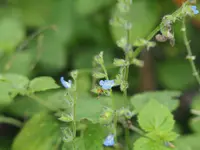
Its minute bluish to pale violet flowers are carried in loose inflorescences and are adapted to small pollinators such as tiny bees. The corolla is relatively simple for a Salvia species, lacking the showy, tubular display seen in many ornamental relatives.

Annual–short-lived life cycle

Salvia misella usually behaves as an annual or short-lived perennial, completing its life cycle quickly in warm, moist conditions. In areas with mild, frost-free winters it can reseed and maintain small, persistent populations over several seasons.

FAQs about tropical sage

This species can self-seed and creep outward, forming loose patches, but it is not usually aggressively spreading. Regular deadheading and removing unwanted seedlings keep it contained and suitable for mixed beds or naturalized areas.

Grow Healthy Plants with Botan Care

Keep your plants happy and healthy with plant identification, disease detection, and easy care guidance.

Botan plant care app — identify plants on mobile

Explore More Plants