Edge management
When planting near lawns or paths, sink a shallow physical barrier 8–10 cm deep to stop rhizomes from creeping and to keep clumps neatly contained over time.

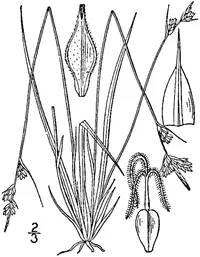
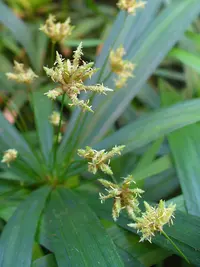
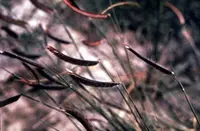
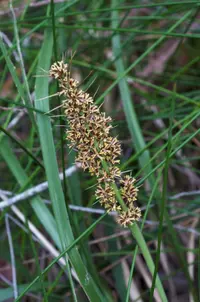
Whitetinge sedge (Carex albicans) is a fine-textured, clumping ornamental sedge native to woodlands and rocky slopes in eastern North America. It forms loose tufts of narrow, arching leaves with a soft, slightly bluish or whitish cast. Plants stay low and informal, making them useful as groundcovers, underplantings, or naturalistic accents. This sedge tolerates partial shade, lean soils, and periods of dryness once established, which generally makes it low-maintenance. Understanding how to care for whitetinge sedge starts with knowing it prefers well-drained soil and consistent moisture during establishment, along with protection from intense, reflected heat.

Care Difficulty
Easy Care

Light Preference
Partial Shade

Water Requirements
Moderate Water

Temperature Preference
Cold Hardy

Hardiness Zone
3–8

Soil Texture
Sandy, Loamy, Organic-rich

Soil pH
Acidic (5.5–6.5), Slightly acidic (6.5–7.0)

Soil Drainage
Moist but well-drained

Fertilization
Minimal (feed rarely)
Scan your plant to receive care tips personalized for your specific plant
Available on iOS and Android
This woodland sedge prefers bright, indirect light and tolerates considerable shade.
This species prefers evenly moist soil but does not tolerate prolonged waterlogging.
This hardy sedge tolerates a wide temperature range typical of temperate climates.
This species handles a wide humidity range but grows best with moderate moisture in the air.
This sedge prefers loose, moderately moist soil that drains freely but does not dry out quickly.
This sedge is well suited to container growing outdoors on patios, balconies, or in mixed planters.
This native sedge grows well in average soil, so fertilizing whitetinge sedge is light and targeted rather than intensive.
Carex albicans responds well to modest pruning that keeps the clump neat and healthy.
This sedge is more often transplanted in beds than grown long-term in small containers.
Carex albicans is most dependable when propagated by division, though seed is also possible for larger projects.
This sedge is cold hardy in much of its native range and usually needs minimal winter care in the ground.

Plant Health Check
Not sure what's wrong with your plant? Check your plant's health inside the app.
This sedge is strongly associated with dry, often sandy or rocky oak woodlands in eastern North America, where it tolerates lower soil fertility better than many other forest grasses and sedges.
Carex albicans grows as a tight, tufted clump with narrow, arching leaves, which allows it to persist in light competition on woodland floors without spreading aggressively by rhizomes.
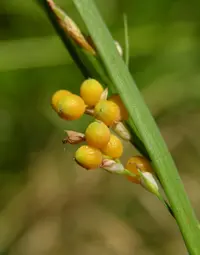
Its flowering spikes appear in spring and often set fruit relatively early in the season, providing small seeds for ground-feeding insects and other invertebrates before many other woodland graminoids mature.
This species is semi-evergreen. In mild climates most foliage stays green through winter, though tips may brown. In colder areas, leaves can die back significantly but usually resprout from the crown in spring.
Keep your plants happy and healthy with plant identification, disease detection, and easy care guidance.