Mimic poor soils
When establishing a new stand, remove rich topsoil or dilute it heavily with sand or fine gravel so the grass is not outcompeted by more vigorous species that prefer fertile conditions.

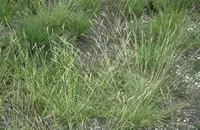
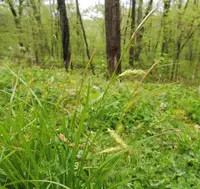
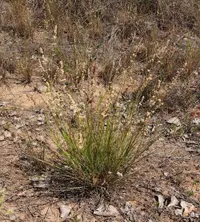
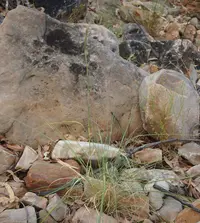
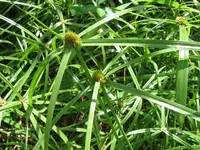
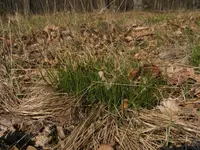
Poverty oatgrass (Danthonia spicata) is a small, cool-season bunchgrass native to much of North America. It often grows in open, dry, and nutrient-poor sites, including rocky slopes and sandy soils.
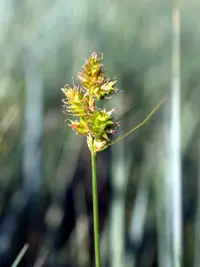
Plants form loose clumps of fine, narrow leaves with small oat-like flower clusters held above the foliage. The foliage often curls or twists, giving a slightly wiry look.
This species is adapted to low-fertility soils, drought, and exposure, which makes it quite resilient once established. For those who want to care for poverty oatgrass successfully, it generally prefers full sun, well-drained soil, and minimal disturbance.
Because it stays relatively low and sparse, it suits naturalistic plantings, restoration projects, and low-input lawns where a simple, durable native grass is desired.

Care Difficulty
Easy Care

Light Preference
Full Sun

Water Requirements
Low Water

Temperature Preference
Cold Hardy

Hardiness Zone
3–9

Soil Texture
Sandy, Loamy, Rocky

Soil pH
Acidic (5.5–6.5), Slightly acidic (6.5–7.0)

Soil Drainage
Well-drained

Fertilization
Minimal (feed rarely)
Scan your plant to receive care tips personalized for your specific plant
Available on iOS and Android
This cool-season native grass prefers open, bright conditions but not intense heat all day.
This drought-adapted grass needs infrequent, light watering once established.
This species is highly cold tolerant and handles a wide temperature range in the landscape.
Humidity has little impact on Danthonia spicata, which is adapted to dry, open sites.
This grass thrives in lean, well-drained, often sandy or rocky soils and does not need rich substrates.
This species can be grown in containers, but it performs best when conditions mimic dry, open ground.
Danthonia spicata generally thrives in low‑nutrient soils and needs little to no fertilizer.
Danthonia spicata benefits from light, occasional grooming rather than heavy structural pruning.
This grass is usually grown in the ground; focus on careful transplanting rather than frequent repotting.
Propagation of Danthonia spicata is most reliable by seed and careful division of established clumps.
This cool-season native grass is cold hardy and usually needs no special winter care in most temperate climates.

Plant Health Check
Not sure what's wrong with your plant? Check your plant's health inside the app.
Poverty oatgrass often dominates on dry, nutrient-poor, sandy or rocky soils where many other grasses struggle, which is why it is commonly used in ecological restoration of degraded sites.
Its spikelets bear long, twisted awns (bristle-like appendages) that help the seeds move and lodge into soil cracks as humidity changes, improving establishment on harsh sites.
Seeds of this species can persist viable in the soil for many years and germinate after disturbance or canopy opening, allowing it to reappear in areas where it has not been seen aboveground for a long time.

Poverty oatgrass is considered an indicator species of dry, nutrient-poor upland habitats in parts of eastern North America, and its presence is often used by ecologists to help classify and interpret natural community types and site conditions.
This bunchgrass forms small, tight clumps and spreads slowly by short rhizomes and self-seeding. It rarely becomes aggressive in managed gardens and is usually easy to control with occasional edging or removal of unwanted seedlings.
Keep your plants happy and healthy with plant identification, disease detection, and easy care guidance.