Early clump division
Divide established clumps every 3–5 years in early spring by slicing out outer sections with a sharp spade, then replant at the same depth to maintain vigor and prevent overcrowding.

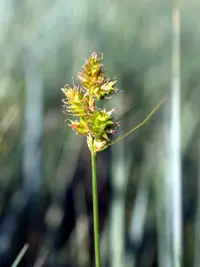
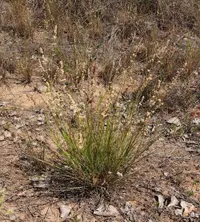
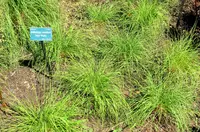
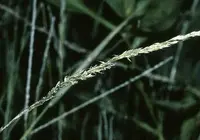
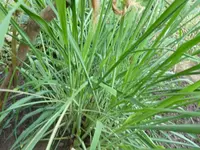
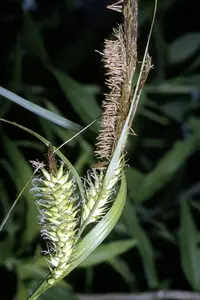
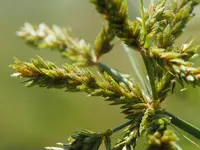
Shortbeak sedge (Carex brevior) is a small, clumping, cool-season grass-like plant in the sedge family. It forms tidy tufts with narrow, arching leaves and short, bristly seed spikes.
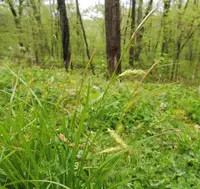
This species is native to prairies, open woodlands, and roadsides across much of North America, where it often grows in dry to moderately moist soils. It tends to be resilient, long-lived, and tolerant of poor or sandy ground, which makes it relatively easy to establish.
Once rooted, it usually needs little intervention and competes well with many weeds. Understanding how to care for shortbeak sedge mainly involves matching its preference for sun to light shade and well-drained, not constantly wet, soil.

Care Difficulty
Easy Care

Light Preference
Full Sun

Water Requirements
Moderate Water

Temperature Preference
Cold Hardy

Hardiness Zone
3–8

Soil Texture
Sandy, Loamy, Clay

Soil pH
Acidic (5.5–6.5), Slightly acidic (6.5–7.0)

Soil Drainage
Moist but well-drained

Fertilization
Minimal (feed rarely)
Scan your plant to receive care tips personalized for your specific plant
Available on iOS and Android
Carex brevior prefers consistent light that mimics open prairies and sunny meadows.
This species prefers evenly moist but not saturated soil, especially during establishment.
This cool-season sedge tolerates a wide temperature range but grows best in moderate conditions.
This species handles typical outdoor humidity well and rarely needs special adjustments in cultivation.
Carex brevior prefers moderately moist, well-aerated mineral soil that never stays waterlogged.
This sedge grows reliably in containers when moisture and stability are carefully managed.
Carex brevior is a low‑nutrient, prairie sedge that benefits from only light feeding in lean soils.
Carex brevior needs minimal pruning, mainly to keep clumps tidy and encourage fresh growth.
This sedge is usually grown in the ground, so focus on occasional division and transplanting of crowded clumps.
Carex brevior is most commonly propagated by division, with seed used when larger numbers are needed.
This species is cold hardy in much of the US and generally needs little special winter care in the ground.

Plant Health Check
Not sure what's wrong with your plant? Check your plant's health inside the app.
This species is strongly associated with dry, open prairies and glacial outwash habitats in central North America, where it tolerates soils that many other sedges cannot persist in long term.
It forms tight, cushion-like tussocks with many short, stiff leaves, which helps it resist lodging in wind and survive in shallow, drought-prone soils.
In restoration projects across parts of the Midwest and Great Plains, it is often used as an early successional grass-like component because it establishes relatively quickly and helps stabilize disturbed sandy or gravelly substrates.
This species forms dense clumps and expands slowly outward by short rhizomes. It can fill in small areas over time but is not considered aggressive in most garden settings when given normal maintenance and space.
Keep your plants happy and healthy with plant identification, disease detection, and easy care guidance.