Aromatic Kyllinga Care (Cyperus aromaticus)

About Aromatic Kyllinga

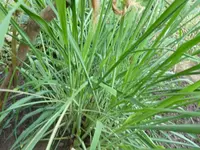
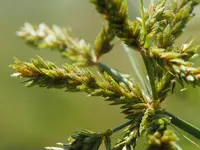
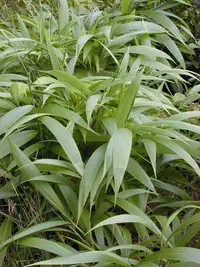
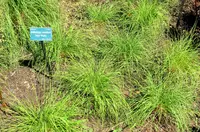
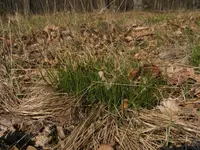
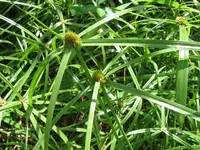
Aromatic kyllinga (Cyperus aromaticus) is a low, grass-like sedge that forms dense, tufted mats with narrow leaves and small, rounded flower heads. It spreads by creeping rhizomes, which can allow it to colonize open, moist areas quickly.

This species is native to tropical and subtropical regions, especially in Asia and the Pacific, and often appears in lawns, wetlands, and disturbed ground. Its vigorous growth and spreading habit make it resilient but sometimes weedy in warm climates.

In cultivation it favors warm temperatures, consistent moisture, and sunny to lightly shaded sites. Understanding how to care for Aromatic Kyllinga starts with managing its spread and providing evenly moist, well-drained soil.

Main Plant Requirements

Care Difficulty

Moderate Care

Light Preference

Full Sun

Water Requirements

Aquatic

Temperature Preference

Tropical / Frost Sensitive

Hardiness Zone

9–12

Soil Texture

Sandy, Loamy, Organic-rich

Soil pH

Acidic (5.5–6.5), Slightly acidic (6.5–7.0)

Soil Drainage

Waterlogged tolerant

Fertilization

Minimal (feed rarely)

Get Personalized Care Plan

Scan your plant to receive care tips personalized for your specific plant

Available on iOS and Android

How to Care for the Aromatic Kyllinga

This moist grass-like sedge thrives in consistently bright conditions that mimic open, sunny wetlands.

  • Provide 4–6 hours of direct morning sun with light afternoon shade; full sun all day is tolerated only where summers are mild and soil stays wet.
  • In hotter regions, aim for filtered light or high, dappled shade from about 1–4 p.m. to reduce leaf scorch and excessive evaporation.
  • In lawn or groundcover use, Aromatic Kyllinga thins out in deep shade; growth becomes weak if it receives less than 3–4 hours of decent light.

This species prefers constantly moist to wet soil and reacts quickly to drying out.

  • Outdoors in the ground, keep the root zone evenly damp; soil should feel moist at 5–8 cm depth and never fully dry between rains or irrigation.
  • Increase watering during hot, windy periods when blades start to fold or lose gloss, which indicates early moisture stress in Cyperus aromaticus.
  • Watch for soggy, foul-smelling soil or yellowing, limp leaves as signs of chronic overwatering in poorly drained sites, and improve drainage rather than cutting water sharply.

This warm-season sedge grows best in mild to hot conditions and is damaged by cold and frost.

  • Optimal growth occurs around 70–90°F (21–32°C), when rhizomes expand and foliage stays dense and green.
  • Plants are stressed below about 50°F (10°C) and can suffer leaf burn or death near 32°F (0°C), so avoid locations with frequent frost pockets.
  • In hot climates, it tolerates short spikes to 100–104°F (38–40°C) if soil remains wet; drying soil under the same heat leads to rapid decline.

This species prefers consistently moist air but adapts to a range of outdoor humidity levels.

  • Aim for 50–70% humidity, especially in warm climates, to support dense, green foliage.
  • In prolonged dry air, leaf tips may brown and edges may curl, indicating humidity stress rather than drought alone.
  • Near patios or ponds, group pots together or place containers over shallow pebble trays to slightly raise local humidity.

This sedge prefers moist, dense soil and often thrives where conditions stay damp or periodically waterlogged.

  • Use a heavy loam with high organic matter, such as garden loam mixed with compost, to hold moisture and nutrients.
  • Ensure slow to moderate drainage; soil should stay wet to saturated without remaining anaerobic and foul-smelling.
  • A slightly acidic to neutral pH around 6.0–7.0 suits Cyperus aromaticus in most garden situations.
  • In very sandy sites, incorporate compost and some fine clay or topsoil to reduce leaching and prevent rapid drying.

This species can be grown in containers if moisture retention and stability are carefully managed.

  • Select a broad, low container to accommodate its spreading habit and reduce the risk of tipping in wind or heavy rain.
  • Use a thick-walled plastic or glazed ceramic pot to slow evaporation and keep the root zone evenly moist.
  • Stand the container in a shallow outer tray that can hold a small reservoir of water, keeping the root ball consistently damp without submerging the crown.

Cyperus aromaticus benefits from light, consistent feeding during warm active growth but does not need heavy fertilization.

  • Use a balanced liquid fertilizer (e.g., 10-10-10) diluted to 25–50% strength for caring for Aromatic Kyllinga in pots or nutrient-poor soils.
  • Feed every 4–6 weeks during the growing season if growth appears pale or weak, skipping applications on lush sites.
  • Apply a thin layer of compost around outdoor clumps once in spring instead of frequent synthetic fertilizers.
  • Stop feeding in late fall and winter, when growth slows, to avoid weak, frost-tender shoots.

Pruning Cyperus aromaticus is mainly done to keep clumps tidy and to remove unhealthy foliage.

  • Best timing is late winter to early spring before vigorous new growth, with light touch-ups in summer as needed.
  • Cut out dead, yellowing, or storm-damaged stems at the base using clean, sharp shears or scissors.
  • Thin congested or overcrowded shoots to improve air flow and maintain a neat, controlled mound.
  • Avoid cutting all foliage at once; retain healthy green stems to support photosynthesis and quick recovery.

Cyperus aromaticus is usually grown in the ground, so transplanting and division are more common than container repotting.

  • Look for signs like crowded clumps, reduced vigor, or roots circling a pot drainage hole as cues to move or divide plants.
  • Transplant or divide in spring or early fall, aiming for mild weather and moist soil to reduce stress.
  • Every 3–4 years, lift overgrown clumps, split them into sections with healthy roots and shoots, and replant at original depth.
  • Water thoroughly after transplanting, shade for a few days in hot climates, and keep soil evenly moist until strong new growth appears.

Cyperus aromaticus is most commonly propagated by division, which maintains the characteristics of the parent plant.

  • Divide established clumps in spring or early fall, when temperatures are moderate and soil is workable.
  • Lift a portion of the clump and cut it into sections, each with several shoots and a good root mass.
  • Plant divisions into moist, well-drained soil or containers, firming soil around roots to remove air pockets.
  • Keep divisions evenly moist and lightly shaded until new growth appears, then transition gradually to full sun conditions.

Cyperus aromaticus is frost-sensitive and needs some winter care in colder regions.

  • In mild climates without hard frost, plants usually overwinter in place with minimal intervention.
  • Where frost occurs, apply a 5–8 cm mulch layer around the root zone to insulate crowns, keeping mulch off stems.
  • For container plants, move pots indoors or into a frost-free, bright shelter before temperatures drop near freezing.
  • Cut back dead top growth in late winter, then remove mulch gradually as temperatures warm and new shoots emerge.

Care Tips

Rhizome Containment

Install a root barrier or grow it in a large, bottomless container sunk into the ground to keep the creeping rhizomes from invading adjacent beds or lawns.

Turf Edge Management

Mow or string-trim a 15–20 cm buffer strip around plantings regularly to reduce the spread of underground stems into desirable turf areas.

Selective Clump Thinning

Lift and divide dense patches every 1–2 years, discarding weak, congested center sections and replanting only vigorous outer pieces to maintain strong, uniform growth.

Targeted Weed Suppression

Apply a 5–8 cm layer of inert mulch, kept just clear of the plant crowns, in surrounding soil to suppress competing weeds without creating overly wet conditions at the base.

Monitoring Invasiveness

Map the planting area once or twice a year and remove any new satellite clumps early, which is one of the most effective long-term strategies for responsibly growing Aromatic Kyllinga in mixed landscapes.

Common Pests and Diseases

Stem borers

This pest tunnels inside basal stems and rhizomes, causing yellowing, stunted growth, and weakened clumps that may lodge or fall over. Damage is often worse in dense, unmanaged stands in warm, humid areas.

Solution

Cut and destroy heavily damaged stems and rhizomes to remove larvae, then mow or trim infested patches low and dispose of debris off-site. Encourage natural predators by avoiding broad-spectrum insecticides nearby, and in severe cases use a targeted systemic insecticide labeled for grass stem borers, following label rates and keeping applications away from water bodies.

Leaf spot

This disease produces small brown to purplish spots on leaves that can coalesce into larger dead patches, making foliage look scorched or ragged. Symptoms include faster decline in thick, moist stands with poor air movement.

Solution

Remove and discard spotted or heavily blighted foliage to reduce inoculum, and avoid overhead irrigation so foliage dries quickly. Improve spacing and airflow, reduce excess nitrogen, and in persistent cases use a labeled grass or sedge fungicide applied according to directions during warm, wet periods.

Rust

This disease appears as orange to brown powdery pustules on leaf surfaces, sometimes causing yellow streaking and premature leaf death. This disease spreads more rapidly in crowded, damp plantings or along irrigated edges.

Solution

Trim and discard infected leaves and clumps, collecting any fallen material around the plant. Reduce leaf wetness by adjusting irrigation timing, increase airflow with thinning or mowing, and apply an appropriate systemic fungicide for rust on grasses or sedges if the problem recurs.

Aphids

These insects cluster on young shoots and leaf bases, sucking sap and causing distortion, yellowing, and sticky honeydew that can lead to sooty mold on foliage. Infestations are more common on lush, fertilized growth in sheltered locations.

Solution

Spray plants with a firm stream of water to dislodge colonies, then use insecticidal soap or a neem-based product directed at the undersides of leaves and growing points. Limit excessive nitrogen fertilization, monitor new growth frequently, and preserve beneficial insects such as lady beetles that help control aphid populations when growing Aromatic Kyllinga.

Interesting Facts

Rhizome-driven spread

This sedge spreads mainly through creeping rhizomes that form dense, interconnected mats, which makes it very persistent once established in lawns, pastures, and irrigated crops.

Waterlogging tolerance

The species tolerates periodic waterlogging and is commonly found in moist, low-lying areas, drains, and irrigation channels, which contributes to its success in tropical and subtropical agriculture.

Reproductive versatility

It reproduces both by seed and by vegetative fragments of rhizomes, so even small pieces of underground stem left in the soil can regenerate new plants.

Botan icon

Did you know?

Cyperus aromaticus is listed as a serious invasive weed in several Pacific and Indian Ocean regions, where its aggressive rhizome network can outcompete forage grasses and significantly reduce pasture productivity.

FAQs about Aromatic Kyllinga

This species spreads by tough, creeping rhizomes and can quickly form dense mats in warm, moist turf or garden beds. In lawns and irrigated areas, it often behaves aggressively and is considered a nuisance or weed.

Grow Healthy Plants with Botan Care

Keep your plants happy and healthy with plant identification, disease detection, and easy care guidance.

Botan plant care app — identify plants on mobile

Explore More Plants