palmgrass Care (Setaria palmifolia)

Also known as: bigleaf bristlegrass
palmgrass

About palmgrass

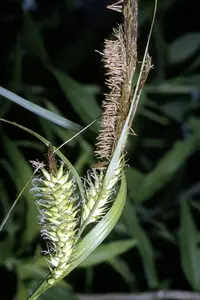
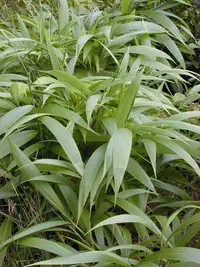
Palmgrass, Setaria palmifolia, is a clumping ornamental grass known for its broad, palm-like leaves and lush, tropical look. It forms dense mounds that give quick foliage impact in borders or containers.

This species is native to tropical Asia and often grows in warm, humid, and partially shaded habitats. In gardens, it is valued for fast growth and tolerance of heat and moisture.

The plant is generally considered easy to maintain if given consistent moisture, rich soil, and protection from hard frost. For anyone learning how to care for palmgrass, its main needs are warmth, regular watering, and shelter from strong drying winds.

Main Plant Requirements

Care Difficulty

Moderate Care

Light Preference

Partial Shade

Water Requirements

Keep Soil Moist

Temperature Preference

Tropical / Frost Sensitive

Hardiness Zone

9–11

Soil Texture

Loamy, Silty, Organic-rich

Soil pH

Acidic (5.5–6.5), Slightly acidic (6.5–7.0)

Soil Drainage

Moist but well-drained

Fertilization

Light (every 4–6 weeks)

Get Personalized Care Plan

Scan your plant to receive care tips personalized for your specific plant

Available on iOS and Android

How to Care for the palmgrass

This clumping grass prefers bright conditions with protection from harsh midday sun.

  • Provide 4–6 hours of morning sun or bright filtered light; light afternoon shade helps prevent leaf scorch, especially in hot climates.
  • It tolerates partial shade, but in less than 3–4 hours of light daily, palmgrass may grow lanky with wider, darker leaves and fewer new shoots.
  • In summer, protect from strong reflective heat; in cooler months, choose the brightest site available to maintain dense foliage.

This species prefers consistently moist but not waterlogged soil.

  • Water when the top 3–5 cm of soil feels slightly dry, aiming to keep the root zone evenly moist without standing water.
  • Ensure soil drains freely; symptoms of overwatering include yellowing, limp leaves and sour-smelling soil, while rolling or crisp leaf tips suggest underwatering.
  • In hot, windy weather, check moisture more often, while in cool or rainy seasons, extend intervals between thorough soakings to prevent root rot in Setaria palmifolia.

This warm-season grass thrives in stable, mild to hot conditions without frost exposure.

  • Ideal growth occurs around 70–85°F (21–29°C); plants remain active and produce lush foliage in this range.
  • Growth slows below 60°F (16°C), and foliage may suffer damage near 40°F (4°C); freezing temperatures can kill top growth or the entire plant.
  • It tolerates brief spikes up to about 95°F (35°C) if soil moisture is maintained, but prolonged extreme heat with dry soil leads to leaf edge burn and thinning clumps.

This species benefits from moderate humidity but adapts to typical indoor levels.

  • Aim for 40–60% humidity to keep leaf blades broad, lush, and less prone to browning edges.
  • Tolerates short periods of drier air but prolonged humidity below 35% may cause crispy tips and curling leaves.
  • Increase humidity with a nearby humidifier or grouping plants; avoid misting heavily to reduce fungal risk on dense foliage.

Setaria palmifolia prefers moist, airy, organic-rich soil that never stays waterlogged.

  • Use a loamy mix with 40–50% peat or coco coir, 30–40% compost, and 10–20% perlite or pumice for structure and drainage.
  • Keep drainage sharp so water moves through within seconds; avoid compacted, sticky, or standing-water conditions that promote root rot.
  • Target a slightly acidic to neutral pH around 6.0–7.0, which supports nutrient uptake and healthy green foliage.
  • Improve aeration by loosening heavy garden soil with coarse sand or fine bark before using it in beds or large containers.

This grass grows well in containers when given stable, moist conditions and enough root space.

  • Choose a wide, heavy container to counterbalance its tall, leafy clumps and reduce tipping in wind or on balconies.
  • Select thicker-walled pots (ceramic, double-walled plastic) if growing in full sun to slow moisture loss from the root zone.
  • Raise the pot slightly on feet or bricks so drainage holes stay clear and runoff exits quickly, preventing a soggy saucer.

Setaria palmifolia responds well to modest, steady nutrition during its warm growing season.

  • Use a balanced NPK fertilizer (such as 10-10-10) or a slow-release granular product for container plants.
  • Feed every 4–6 weeks in spring and summer, reducing to 1 light feeding in early fall only if growth remains active.
  • Dilute liquid fertilizer to 1/2–1/4 strength to avoid leaf burn, especially in pots.
  • Supplement with a thin layer of compost over the root zone once per year to support soil structure and microbial life.

Pruning for Setaria palmifolia focuses on cleanliness and maintaining a neat clump rather than reshaping the plant.

  • Best time for more thorough pruning is late winter or early spring before strong new growth starts.
  • Remove dead, yellowing, or damaged leaves at the base to improve airflow and reduce disease risk.
  • Cut back any crowded or crossing stems to keep the clump open and to encourage fresh foliage production.
  • Use clean, sharp hand pruners or scissors, disinfecting blades before and after use to limit pathogen spread.

This grass handles division and transplanting well when timed for warm, active growth.

  • Look for roots circling the container drainage holes, soil drying very quickly, or slowed growth as signs it needs more space.
  • Plan to repot or transplant every 2–3 years in late spring or early summer, once frost risk has passed.
  • Choose a pot or planting space 1–2 sizes larger with well-drained, fertile soil, keeping the crown at the same depth.
  • Water thoroughly before and after moving, provide light shade for 3–5 days, and avoid heavy fertilization until new growth resumes.

New plants are most often produced by division, with seeds as a secondary option for Setaria palmifolia.

  • Divide mature clumps in late spring or early summer when soil is warm and plants are actively growing.
  • Lift the clump and split it into sections, each with healthy roots and several shoots, using a clean knife or spade.
  • Replant divisions immediately into moist, well-drained soil, then water thoroughly and keep evenly damp until established.
  • For seed, sow on the surface of a warm (70–75°F), bright seed tray, barely cover, and maintain consistent moisture for germination.

This tropical grass is frost tender and needs protection in regions with cold winters.

  • In USDA zones below 9, treat outdoor clumps as annuals or lift and overwinter divisions in pots indoors.
  • Mulch the root zone with 5–8 cm of straw or bark in mild climates to moderate soil temperature swings.
  • Move container plants indoors before nights drop below 45°F, providing bright light and reduced watering.
  • In cool indoor conditions, expect slower growth and avoid heavy feeding, focusing on palmgrass indoor care stability instead.

Care Tips

Seasonal thinning

Remove the oldest, roughest leaves at the base in late winter or early spring so light can reach the plant center and new foliage emerges stronger and more upright.

Clump size control

Every 2–3 years, lift and divide overcrowded clumps, replanting only the healthiest outer sections to keep plants dense, tidy, and less prone to lodging or fungal issues.

Edge containment

In warm climates, install a shallow root barrier 10–15 cm deep around beds or paths to keep the clump from creeping into lawns or adjacent plantings.

Wind protection setup

In exposed sites, use low fencing, dense companion plantings, or a hedge backdrop to break strong winds that can shred broad leaves and cause the clump to lean.

Leaf hygiene check

Rinse foliage with a firm but gentle water spray every few weeks during the growing season to remove dust and small pests, which simplifies caring for palmgrass in humid regions.

Common Pests and Diseases

Leaf spot fungi

This disease causes tan to dark brown spots on the broad leaves, sometimes with a yellow halo and irregular shapes. Symptoms include gradual coalescing of spots that lead to patches of dead tissue and a generally ragged appearance.

Solution

Remove and dispose of affected leaves, avoid overhead watering, and water early in the day so foliage dries quickly. Improve spacing and airflow around clumps, and if the problem persists in outdoor plantings, use a labeled broadleaf grass ornamental fungicide according to instructions, focusing sprays on new growth and avoiding runoff into waterways.

Rust

This disease produces fine orange to brown pustules on the undersides of leaves and may cause yellowing and premature leaf drop. Symptoms include lowered vigor and a dull, dusty appearance to the foliage when heavily infected.

Solution

Cut back and discard heavily infected leaves to reduce spore load, then increase air circulation and avoid wetting the foliage. In humid regions, a preventive application of a grass-safe fungicide labeled for rust can be used on new growth, rotating products if treatments are repeated to reduce resistance risk.

Leafhoppers

These insects suck plant sap and cause pale speckling, leaf yellowing, and a general loss of vigor, especially on tender new leaves. This pest may also transmit leaf spot and other pathogens between clumps.

Solution

Rinse foliage thoroughly with a strong but gentle stream of water to knock insects off, focusing on leaf undersides. For continued infestations, use insecticidal soap or a neem-based spray applied in the evening every 5–7 days until under control, and keep surrounding grasses and weeds trimmed to reduce hiding places.

Armyworms

These caterpillars chew long, ragged holes and may skeletonize the leaf blades, sometimes leaving only midribs on young plants. Symptoms include sudden overnight damage and the presence of green to brown larvae along the soil surface or lower leaves.

Solution

Handpick and remove caterpillars in small plantings and destroy them, checking in the evening or early morning when they are most active. For larger outbreaks outdoors, apply a Bacillus thuringiensis (Bt) product labeled for caterpillars to the foliage, reapplying after heavy rain and combining with removal of nearby weedy grasses that harbor larvae.

Interesting Facts

Palm-like leaf shape

This grass has broad, pleated leaves with parallel venation that resemble small palm fronds, which is unusual for a genus mostly known for narrow-bladed grasses.

Moist tropical specialist

It naturally occurs in warm, humid lowland tropics of Asia and the Pacific, often along forest edges, clearings, and disturbed moist sites rather than in dry or arid grasslands.

Food and fodder use

In several Asian regions its young leaves and shoots are sometimes cooked as a leafy vegetable, and the foliage is also cut as forage for livestock, reflecting its relatively soft, palatable tissue compared with many coarse grasses.

Botan icon

Did you know?

Genetic and morphological studies place this species within the same grass subfamily (Panicoideae) as maize, sugarcane, and sorghum, meaning it uses the C4 photosynthetic pathway, which is an efficient system for capturing carbon in hot, bright, and humid environments.

FAQs about palmgrass

Yellowing leaves usually come from excess moisture, poor drainage, or natural aging of older foliage. Check the root zone for sogginess, improve drainage, remove standing water, and trim the oldest yellow blades to keep the clump tidy.

Grow Healthy Plants with Botan Care

Keep your plants happy and healthy with plant identification, disease detection, and easy care guidance.

Botan plant care app — identify plants on mobile

Explore More Plants