Controlled clump division
Divide older clumps every 3–4 years in early spring, replanting outer vigorous sections at the same depth to maintain dense growth and prevent center die-out when growing Carex fritschii.

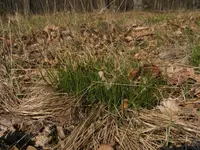
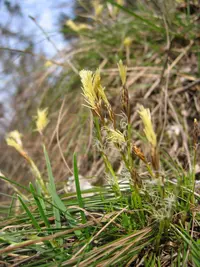
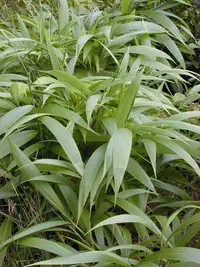
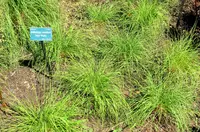
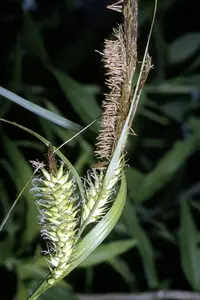
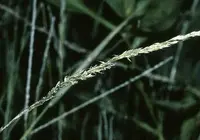
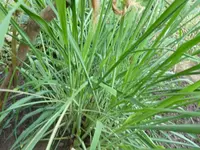
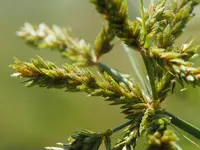
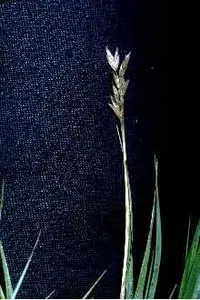
Carex fritschii is a small, clump-forming sedge with fine, arching leaves that create dense, grassy tufts. It stays relatively low and compact, giving a neat, textured look.
This species is native to parts of Central and Eastern Europe, where it grows in open woodlands, grasslands, and light shade. It is valued for its tolerance of cool conditions and its generally steady, low-maintenance growth.
In gardens, it suits naturalistic plantings, woodland edges, or mixed borders where subtle structure is needed. Light, moist but well-drained soil and moderate light levels make it easier to care for Carex fritschii.

Care Difficulty
Easy Care

Light Preference
Partial Shade

Water Requirements
Moderate Water

Temperature Preference
Cold Hardy

Hardiness Zone
4–8

Soil Texture
Loamy, Sandy, Organic-rich

Soil pH
Acidic (5.5–6.5), Slightly acidic (6.5–7.0)

Soil Drainage
Moist but well-drained

Fertilization
Minimal (feed rarely)
Scan your plant to receive care tips personalized for your specific plant
Available on iOS and Android
This grass prefers bright conditions with some protection from harsh midday sun.
This sedge prefers consistently moist but not waterlogged soil.
This hardy sedge tolerates a wide temperature range once established outdoors.
This grass tolerates a wide humidity range and usually does not need special air moisture control outdoors.
Carex fritschii prefers moderately moist, well-aerated soil that never stays waterlogged.
This species suits container growing for patios, balconies, and small gardens.
This low-maintenance sedge benefits from light feeding in nutrient-poor soils but often manages without fertilizer in richer ground.
Carex fritschii responds well to light, periodic pruning that keeps the clump tidy and encourages fresh foliage.
This sedge is usually grown in the ground, but container plants or crowded clumps benefit from occasional transplanting or division.
Carex fritschii is most commonly propagated by division, with seed used mainly for larger-scale or specialist production.
This hardy sedge needs minimal winter care in most temperate climates, especially when grown in the ground.

Plant Health Check
Not sure what's wrong with your plant? Check your plant's health inside the app.
Carex fritschii is naturally restricted to central and parts of eastern Europe, where it occurs mainly in countries such as Austria, Hungary, the Czech Republic, Slovakia, and surrounding regions, instead of having a broad circumboreal distribution like many other sedges.
Unlike many sedge species that favor wetlands, this species is characteristic of dry to moderately dry calcareous grasslands and open pine or oak woodlands, often on lime-rich or loess-derived soils.
In parts of its range, the presence of this species is used by vegetation scientists as an indicator of relatively undisturbed, semi‑natural grassland and open woodland communities, especially within certain Festuco-Brometea and related plant associations.
This sedge is semi-evergreen in mild climates, holding foliage through winter with some leaf tip browning. In colder areas it often dies back partially, then resprouts from the crown in spring with fresh growth.
Keep your plants happy and healthy with plant identification, disease detection, and easy care guidance.