Cockatoo grass Care (Alloteropsis semialata)

Cockatoo grass

About Cockatoo grass

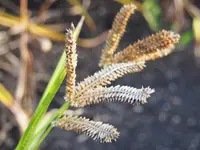
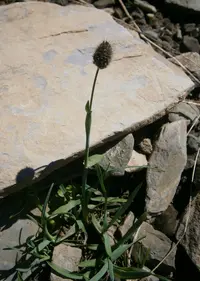
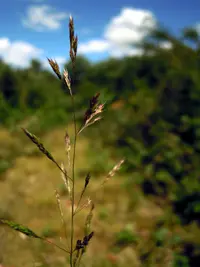
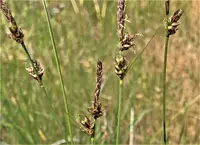
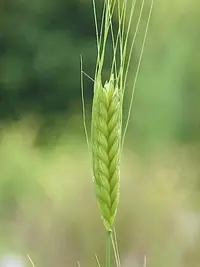
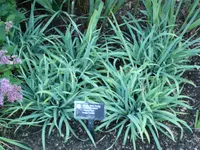
Cockatoo grass (Alloteropsis semialata) is a warm-season perennial grass found in parts of Africa, Asia, and Australia. It typically forms loose clumps with fine, arching blades and airy flower stems.

In the landscape it is usually grown as an ornamental or for ecological plantings rather than as a showy feature plant. It adapts to a range of soils but prefers well-drained sites with regular moisture.

This species tolerates heat and seasonal dryness once established, which can make it relatively low-maintenance in suitable climates. Understanding these natural preferences helps guide how to care for Cockatoo grass in gardens or restoration projects.

Main Plant Requirements

Care Difficulty

Moderate Care

Light Preference

Full Sun

Water Requirements

Regular Water

Temperature Preference

Warm Climate

Hardiness Zone

9–11

Soil Texture

Sandy, Loamy, Organic-rich

Soil pH

Acidic (5.5–6.5), Slightly acidic (6.5–7.0)

Soil Drainage

Moist but well-drained

Fertilization

Minimal (feed rarely)

Get Personalized Care Plan

Scan your plant to receive care tips personalized for your specific plant

Available on iOS and Android

How to Care for the Cockatoo grass

Alloteropsis semialata prefers bright, gentle sun typical of open woodland or meadow edges.

  • Provide 4–6 hours of direct morning sun with light shade or filtered light in the hotter afternoon, especially in warmer climates.
  • Plant Cockatoo grass where it receives partial shade (dappled light or high, open shade) if midday sun is intense, to reduce leaf scorch and moisture loss.
  • Watch for pale, floppy growth as a sign of too little light, and for brown, crisped leaf tips as a sign of excessive strong sun exposure.

Alloteropsis semialata prefers consistently moist but not saturated soil, similar to a well-drained meadow.

  • Water when the top 3–5 cm of soil feels dry, aiming for deep soaking rather than light sprinkling so roots grow down and the soil moistens evenly.
  • Use free-draining soil; standing water or a sour smell indicates poor drainage and overwatering, which can cause root rot and yellowing leaves.
  • In hot, dry periods, expect to water more often, while in cool or rainy seasons, extend intervals and watch for wilting, curling, or dull leaves as signs of underwatering.

This warm-season grass grows best in mild to warm conditions without frost exposure.

  • Aim for active growth in 70–85°F (21–29°C); growth slows noticeably below about 60°F (16°C).
  • Protect Alloteropsis semialata from frost; foliage is usually damaged near 32°F (0°C) and plants can be killed by prolonged exposure below 28°F (-2°C).
  • The grass tolerates short heat waves up to about 95°F (35°C) if soil moisture is maintained, but extended extreme heat with dry soil can cause leaf scorch and dormancy.

This grass handles a wide humidity range but grows best with moderate air moisture.

  • Aim for 40–60% humidity for Cockatoo grass, similar to most heated or air‑conditioned homes.
  • It tolerates short dry spells but prolonged air below 30% can cause browning tips and slower growth.
  • Increase humidity by grouping pots, placing trays with water and pebbles nearby, or running a small humidifier in very dry rooms.

Alloteropsis semialata prefers airy, well-draining soil that still retains steady moisture.

  • Use a loose, loamy mix made from 2 parts peat or coco coir, 1 part compost, and 1 part coarse sand or perlite for structure and drainage.
  • Ensure rapid drainage so water does not pool around roots, since prolonged saturation encourages rot and fungal problems.
  • Keep soil slightly acidic to neutral around pH 6.0–7.0, avoiding strongly alkaline substrates that can limit nutrient uptake.
  • Improve aeration by avoiding heavy clay-only soils and by incorporating coarse particles like pumice or fine bark chips.

This species adapts well to container growing outdoors or in bright sheltered spaces.

  • Choose a pot wider than it is deep to allow spreading roots and to reduce the risk of the clump becoming top-heavy in wind.
  • Select a stable, heavier container material such as ceramic or thick plastic to prevent tipping as foliage mass increases.
  • Use a pot with multiple drainage holes and elevate it slightly on pot feet so runoff clears quickly and does not re-soak the root zone.

Alloteropsis semialata benefits from light, consistent feeding during its active growing season.

  • Use a balanced NPK granular or liquid fertilizer at 1/2 strength, or apply a thin layer of mature compost around the root zone.
  • Feed every 4–6 weeks in spring and summer when growth is active, especially for Cockatoo grass in containers.
  • Skip or greatly reduce fertilization in fall and winter, when growth slows or stops.
  • Water before and after feeding to prevent root burn and help nutrients move into the soil.

Pruning Alloteropsis semialata is mainly done to keep clumps tidy and encourage fresh growth.

  • Best time is late winter or early spring, before strong new shoots appear.
  • Remove dead, damaged, or diseased leaves with clean, sharp scissors or hand shears at the base.
  • Thin out crowded, weak stems to improve air flow and maintain a neat, upright clump shape.
  • Collect and dispose of diseased material away from the planting area to reduce reinfection.

Alloteropsis semialata adapts well to being lifted and moved when done at the right time.

  • Watch for roots circling inside pots, water running straight through, or noticeably slower growth as signs it needs a larger space.
  • Transplant or up-pot in spring, choosing a container or bed with well-drained soil and similar light conditions.
  • Plan on moving container plants every 2–3 years, stepping up only 1–2 in pot size to limit shock.
  • Water deeply after transplanting, keep soil evenly moist for 1–2 weeks, and shade from harsh midday sun to reduce root stress.

New Alloteropsis semialata plants are most often produced by division or seeds rather than cuttings.

  • Divide established clumps in spring, lifting the plant and separating sections with several healthy shoots and roots each.
  • Replant divisions at the same depth in loose, well-drained soil, then water thoroughly to settle roots.
  • For seed propagation, sow fresh seed on or just below the surface of a light mix kept warm, 68–77°F, and evenly moist.
  • Provide bright, indirect light and good air circulation so young plants develop sturdy, compact growth.

This warm-season grass needs some attention in colder climates, especially in containers.

  • Alloteropsis semialata tolerates only light frost; extended freezes can damage crowns and roots.
  • In the ground, apply a 5–8 cm mulch layer over the root zone in late fall, keeping mulch off the stems.
  • Cut back dead foliage in late winter once the coldest period has passed, leaving the crown intact.
  • Move container plants indoors or into a frost-free, bright, cool area until temperatures stay above freezing.

Care Tips

Controlled clump division

Divide older clumps every 3–4 years in late spring, keeping several healthy shoots and roots per division, to prevent overcrowding and maintain vigorous growth when growing Cockatoo grass in garden beds or containers.

Edge containment strategy

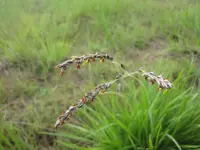
Install a shallow root barrier or sink bottomless pots into the ground where spread must be limited, since this grass can slowly expand outward in favorable conditions.

Targeted seed collection

If seed is desired, mark the earliest flowering stems and allow their seed heads to dry on the plant before cutting and drying them further in a paper bag, which improves seed maturity and storage quality.

Heat and drought hardening

In late spring, gradually lengthen intervals between waterings for established plants over 2–3 weeks so roots adapt to drier, hotter summer conditions without sudden stress.

Seasonal grooming routine

At the end of winter, comb through the foliage by hand or with gloved fingers to remove dead blades and thatch, which improves air movement, reduces fungal risk, and encourages clean new growth.

Common Pests and Diseases

Stem borers

This pest tunnels inside leaf sheaths and stems, causing dead patches, white central leaves, and weak or collapsing shoots. Symptoms include hollow stems and frass (sawdust-like waste) near feeding sites.

Solution

Cut out and dispose of heavily damaged stems to break the life cycle, and remove nearby grassy weeds that act as alternate hosts. In landscape or field plantings, use pheromone or light traps where available, and apply targeted biological sprays containing Bacillus thuringiensis to young larvae on foliage before they bore into stems.

Leaf spot fungi

This disease causes small water-soaked lesions on leaves that enlarge into brown or gray spots, sometimes with darker borders. Symptoms include premature leaf yellowing and a general thinning of the clump in humid, crowded conditions.

Solution

Remove and discard spotted leaves, avoid overhead watering, and increase spacing or airflow around plants to help foliage dry quickly. In persistent cases, use a copper-based or chlorothalonil foliar spray according to label directions, and avoid high-nitrogen fertilization that encourages soft, disease-prone growth.

Smut disease

This disease produces dark, powdery spore masses on inflorescences or inside affected spikelets, often replacing normal seed structures. Symptoms include distorted or partially sterile flower heads and reduced seed production when growing Alloteropsis semialata for propagation.

Solution

Cut and destroy infected inflorescences before they release spores, and collect only clean seed heads for sowing. Rotate planting areas if possible, remove volunteer seedlings around infected plants, and avoid saving seed from stands that show repeated smut infections.

Aphids

These insects cluster on young shoots and undersides of leaves, sucking sap and causing curling, yellowing, and sticky honeydew on foliage. This pest can attract sooty mold on outdoor plants and weaken new growth in dense clumps.

Solution

Spray colonies off with a firm stream of water, then follow up with insecticidal soap or a light horticultural oil, ensuring thorough coverage of leaf undersides. Encourage natural predators such as lady beetles in outdoor plantings and avoid excessive nitrogen fertilization, which promotes the soft growth aphids prefer.

Interesting Facts

Mixed photosynthesis strategy

This grass is one of the few known species that naturally contains both C3 and C4 photosynthetic types in different populations, providing a rare model for studying how plants evolve more efficient carbon fixation.

Unusual wild habitat range

It occurs across a wide environmental gradient from shaded African forests to open savannas and rocky grasslands, showing strong local adaptation to contrasting light and moisture conditions.

Genetic material from other grasses

Some lineages have acquired functional genes from unrelated C4 grasses through natural horizontal gene transfer, which appears to help them run an efficient C4 photosynthetic pathway.

Botan icon

Did you know?

This species is actively used as a model organism in evolutionary biology because its living populations capture multiple stages in the transition from C3 to C4 photosynthesis, allowing researchers to compare how anatomy, gene expression, and physiology shift during this major evolutionary change.

FAQs about Cockatoo grass

This species spreads by short rhizomes and self-seeding, usually forming clumps rather than running widely. In suitable warm climates it can naturalize, so monitor unwanted seedlings and divide or thin clumps if they become crowded.

Grow Healthy Plants with Botan Care

Keep your plants happy and healthy with plant identification, disease detection, and easy care guidance.

Botan plant care app — identify plants on mobile

Explore More Plants