Use nurse plants
Establish this grass in mixed plantings with deep-rooted native perennials, which shade soil, reduce erosion, and help the young plants anchor more quickly on windy or sloped sites.

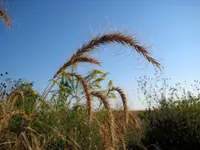
Canada wildrye (Elymus canadensis) is a cool-season perennial bunchgrass native to much of North America. It commonly grows in prairies, open woods, roadsides, and disturbed soils.
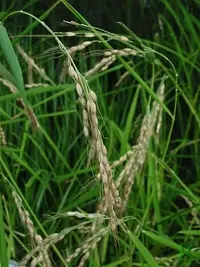
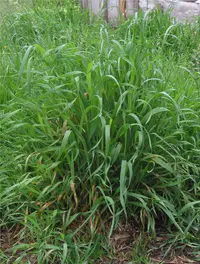
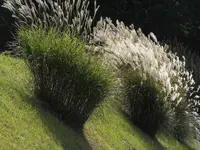
Plants form upright clumps with arching leaves and distinctive bristly seed heads that often curve at maturity, giving a coarse, textured look. It establishes quickly, which makes it useful for erosion control and naturalistic plantings.
This grass tolerates a wide range of soils, from sandy to clay, and adapts to sun or light shade, though it prefers moderately moist, well-drained conditions. These traits make it relatively straightforward to care for Canada wildrye in low-input landscapes.

Care Difficulty
Easy Care

Light Preference
Full Sun

Water Requirements
Low Water

Temperature Preference
Cold Hardy

Hardiness Zone
3–9

Soil Texture
Sandy, Loamy, Clay

Soil pH
Slightly acidic (6.5–7.0), Slightly alkaline (7.0–7.5)

Soil Drainage
Well-drained

Fertilization
Minimal (feed rarely)
Scan your plant to receive care tips personalized for your specific plant
Available on iOS and Android
This cool-season native grass prefers open sites with consistent sun exposure for strong growth.
This species prefers moderately moist, well-drained soil but is adaptable once established.
This cool-season bunchgrass handles a wide temperature range but grows best in moderate conditions.
This prairie grass handles a wide humidity range and rarely needs special humidity management.
This species prefers well-drained mineral soils and adapts to many field or garden conditions.
This grass can be grown in containers, but needs careful setup to stay stable and healthy.
Native grasses like Canada wildrye generally need minimal fertilizer in average garden soil.
Pruning Elymus canadensis is mainly used to maintain appearance and manage seeding.
This grass is usually grown in the ground, so focus on careful outdoor transplanting rather than frequent repotting.
Elymus canadensis is commonly propagated by seed and by division of established clumps.
This cool-season native grass is fully cold hardy in most temperate climates and usually needs little winter care.

Plant Health Check
Not sure what's wrong with your plant? Check your plant's health inside the app.
This grass often colonizes recently disturbed sites such as roadsides, construction areas, and post-agricultural fields, helping stabilize soil and pave the way for later prairie species.
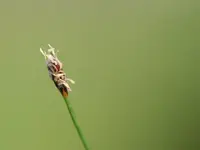
Its flower and seed heads typically arch or nod on one side of the stem, creating a characteristic curved spike that helps distinguish it from many other native cool-season grasses.
The foliage provides food and habitat for several native grass-feeding caterpillars and other invertebrates, making it an important structural and nutritional component in prairie food webs.

Indigenous peoples in parts of North America historically used the tough, fibrous stems of this species for cordage and basketry, taking advantage of its strong yet flexible culms for practical woven items.
This bunchgrass establishes fairly quickly. Seedlings often emerge within 1–3 weeks in warm soil and can reach 60–100 cm in the first growing season if moisture, light, and competition are reasonably managed when you grow Elymus canadensis.
Keep your plants happy and healthy with plant identification, disease detection, and easy care guidance.