Grape Tongue Care (Cryptopleura ruprechtiana)

Grape Tongue

About Grape Tongue

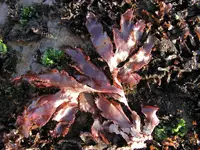
Grape tongue, Cryptopleura ruprechtiana, is a red marine alga rather than a true land plant. It has flattened, tongue-shaped fronds with a translucent, reddish to purplish color.

This seaweed typically grows attached to rocks in cold, temperate coastal waters, especially in the North Pacific. Its delicate fronds and need for constant water movement make it difficult to maintain in home aquariums.

Anyone who wants to care for Grape Tongue should know it prefers cool, clean, well-oxygenated seawater and stable conditions. It is mainly of interest to advanced marine aquarists, educators, and seaweed enthusiasts.

Main Plant Requirements

Care Difficulty

Hard Care

Light Preference

Partial Shade

Water Requirements

Aquatic

Temperature Preference

Cool Climate

Hardiness Zone

Unknown

Soil Texture

Sandy, Rocky, Organic-rich

Soil pH

Slightly acidic (6.5–7.0)

Soil Drainage

Waterlogged tolerant

Fertilization

Minimal (feed rarely)

Get Personalized Care Plan

Scan your plant to receive care tips personalized for your specific plant

Available on iOS and Android

How to Care for the Grape Tongue

This cool-water red alga prefers low to moderate natural light rather than strong, direct sun.

  • Provide bright but indirect light or light shade, such as 2–4 hours of soft morning sun with the rest of the day in dappled or reflected light.
  • Protect Grape Tongue from intense midday and afternoon sun, which can bleach fronds and cause tissue to dry, especially in shallow water or exposed tidepool settings.
  • In higher latitudes or cloudy seasons, slightly increase light exposure, but in summer shift to more shade or deeper water to avoid overheating and light stress.

This marine alga depends on stable, clean, moving seawater rather than soil moisture.

  • Ensure Cryptopleura ruprechtiana stays fully submerged in saline water with steady movement; still or stagnant water quickly leads to decay of the blades.
  • Maintain salinity within normal ocean ranges and avoid significant freshwater dilution, which shows as softening, loss of color, and tissue breakdown.
  • Watch for signs of stress such as fronds disintegrating or turning mushy, which often indicate poor water quality, pollution, or insufficient water exchange rather than a simple watering issue.

This cold-temperate marine alga performs best in cool ocean water and struggles in warm conditions.

  • Aim for 45–59°F (7–15°C) as the main growth range, where blades remain firm, colored, and structurally stable.
  • Tolerate short exposures down to about 32°F (0°C) in coastal waters, but repeated hard freezing of exposed tissue during extreme low tides can damage or kill fronds.
  • Limit exposure above 64–68°F (18–20°C), since extended warm spells increase metabolic stress, encourage fouling organisms, and can lead to thinning, fading, and loss of blades.

This red marine alga prefers consistently high ambient humidity similar to coastal air conditions.

  • Aim for 70–90% humidity; prolonged exposure below 60% quickly dries fronds and weakens attachment.
  • In dry indoor air, expect curled, brittle blades and fading color as signs of humidity stress in Grape Tongue.
  • Increase humidity by placing culture trays in closed, ventilated tanks or terraria with shallow seawater reservoirs to raise ambient moisture.

Cryptopleura ruprechtiana is a marine red alga and does not grow in soil; it requires attachment to hard substrates in seawater.

  • Provide clean, aerated seawater with stable salinity and attach thalli to rocks, shells, or inert plastic grids rather than using any soil or potting mix.
  • Maintain moderate water movement to keep surfaces flushed with nutrients and oxygen while avoiding strong turbulence that can tear delicate blades.
  • Keep culture surfaces free from silt and sediment, since fine particles smother holdfasts and reduce light reaching the photosynthetic tissues.
  • Avoid any organic-rich soil, peat, compost, or terrestrial plant substrates, which rapidly foul seawater and encourage nuisance bacteria and algae.

This species can be grown in containers such as marine tanks or shallow culture trays when water conditions are stable.

  • Use wide, shallow containers that allow horizontal spread and easy access to fix rocks or grids without shading lower fronds.
  • Choose inert, nonreactive materials (glass or food‑grade plastic) that do not alter salinity or leach substances into the seawater.
  • Position outlet plumbing or overflow points so that strong suction does not pull fronds against screens, which can damage tissue and detach holdfasts.

This marine red alga is adapted to low-nutrient seawater and usually does not require additional fertilization in cultivation.

Pruning Cryptopleura ruprechtiana is mainly hygienic, aimed at keeping fronds healthy and preventing decay in culture systems.

  • Trim only dead, decaying, or heavily fouled fronds, leaving firm, brightly colored tissue intact.
  • Carry out light trimming during peak growth, avoiding major cuts during seasonal stress or heat waves.
  • Use clean, sharp scissors to make smooth cuts near the frond base without injuring the holdfast or attachment.
  • Remove cut material from tanks or trays promptly to maintain water quality and reduce biofouling.

When grown in tanks or specialized marine setups, this seaweed is moved or divided rather than traditionally repotted.

  • Relocate or thin clumps if growth slows, fronds crowd each other, or light and flow no longer reach lower parts.
  • Time transfers for stable conditions, avoiding heat spikes or abrupt salinity changes that stress the thallus.
  • Typically adjust spacing or move cultures every few months in active systems to maintain healthy growth.
  • Match salinity, temperature, and light at the new site, and handle holdfasts gently to limit tissue damage and shock.

Propagation of this seaweed is usually managed through vegetative fragmentation rather than home-scale techniques.

Outdoor winter care is generally unnecessary because Cryptopleura ruprechtiana is managed in controlled marine systems rather than in soil.

Care Tips

Anchor To Substrate

Secure the holdfast to a rough rock or shell with a loose rubber band or biodegradable string until new attachment tissue forms, which stabilizes the thallus and reduces breakage in water movement.

Maintain Water Motion

Use a small wavemaker or angled circulation pump to create gentle, alternating flow across the fronds, which improves gas exchange and nutrient uptake without tearing the tissue.

Nutrient Level Monitoring

Test nitrate and phosphate weekly in marine systems and adjust dosing or stocking so levels remain nonzero but moderate, which supports steady growth while preventing nuisance algae that can smother fronds.

Controlled Photoperiod Shifts

Adjust the light cycle gradually over 7–10 days when changing seasonal photoperiods to avoid shock, supporting more stable growth patterns when growing Grape Tongue in closed marine setups.

Regular Frond Thinning

Trim out older, shaded inner fronds with clean scissors and remove any detached tissue promptly to reduce decay, improve light penetration, and lower the risk of opportunistic fungal or bacterial issues.

Common Pests and Diseases

Epiphytic overgrowth

This problem occurs when fast-growing algae, bryozoans, or small tube worms colonize the frond surface and block light. Symptoms include dull, roughened blades with visible crusts or fuzzy coatings.

Solution

Manually remove heavily fouled fronds and gently rub or brush lighter growth from the surface while the alga is submerged in clean seawater. Improve water movement and reduce excess nutrients in the tank or culture system to limit settlement and favor healthy new frond growth.

Grazing gastropods

This pest involves snails or small sea slugs feeding on the blades, leaving irregular bite marks, thinning areas, or missing tissue. Symptoms include ragged frond edges and slow overall growth in affected stands or culture tanks.

Solution

Inspect fronds regularly and manually remove grazing snails or slugs, especially at night when they are most active. In closed systems, reduce hiding places, avoid overfeeding animals, and use physical barriers or separate tanks so the alga is not housed with strong herbivores when caring for Grape Tongue.

Filamentous algal smothering

This issue develops when fine, hair-like green or brown algae grow densely over the fronds, competing for light and trapping sediments. Symptoms include a matted coating that reduces the red color and flexibility of the blades.

Solution

Gently shake or rinse fronds in clean, well-aerated seawater to dislodge filaments, and mechanically remove dense clumps by hand. Adjust lighting, nutrient levels, and water flow so that conditions favor the slower, larger red alga rather than fast-growing nuisance filaments.

Bacterial blade decay

This disease causes localized softening and breakdown of blade tissue, often starting as pale or translucent spots that expand into holes. Symptoms include slimy patches with a foul odor and accelerated tissue loss in warm, low-flow water.

Solution

Trim away decaying sections with clean scissors while the plant is submerged and discard affected tissue to reduce bacterial load. Maintain cooler, stable temperatures, increase water circulation, and perform regular partial water changes to keep organic waste and bacterial growth under control.

Interesting Facts

Delicate red frond

This intertidal red alga forms thin, fan-shaped blades with finely divided lobes that give a grape-tongue-like appearance when hydrated, but these blades become crisp and brittle when exposed at low tide.

Specialized intertidal habitat

It typically grows attached to rocks or larger seaweeds in the lower intertidal to shallow subtidal zone of cold-temperate North Pacific coasts, tolerating regular exposure to air and wave action.

Photosynthetic pigments

As a red alga, it contains phycoerythrin and phycocyanin pigments in addition to chlorophyll, allowing efficient light capture under the blue-green light conditions typical of deeper or shaded marine waters.

FAQs about Grape Tongue

Growth is moderate rather than fast. In stable, cool, well‑lit water it forms new fronds gradually over several months. Growth slows if light, water movement, or nutrients are poor, or if temperatures rise too high.

Grow Healthy Plants with Botan Care

Keep your plants happy and healthy with plant identification, disease detection, and easy care guidance.

Botan plant care app — identify plants on mobile

Explore More Plants