
Stinkwood Care (Zieria arborescens)

Stinkwood

About Stinkwood

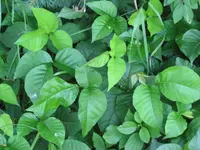
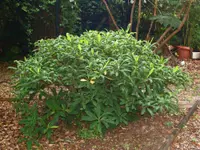
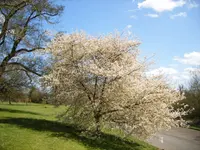
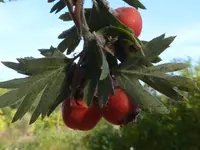
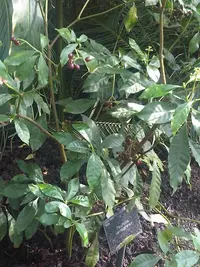
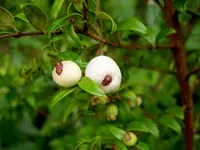
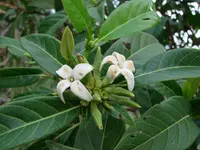
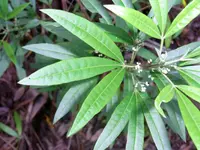
Stinkwood, Zieria arborescens, is an evergreen shrub or small tree from eastern Australia, often found in moist forests and along sheltered slopes. It has fine, aromatic foliage made of small, three-part leaves and produces clusters of small white flowers that attract insects. Growth is usually upright and bushy, forming a dense screen or background planting in mild climates. It tends to be resilient once established, but young plants dislike extremes of cold, drought, or waterlogging. Gardeners who care for Stinkwood usually provide bright light with some protection from harsh afternoon sun, along with well-drained, slightly moist soil.

Main Plant Requirements

Care Difficulty

Moderate Care

Light Preference

Partial Shade

Water Requirements

Moderate Water

Temperature Preference

Warm Climate

Hardiness Zone

9–11

Soil Texture

Sandy, Loamy, Rocky

Soil pH

Acidic (5.5–6.5), Slightly acidic (6.5–7.0)

Soil Drainage

Well-drained

Fertilization

Minimal (feed rarely)

Get Personalized Care Plan

Scan your plant to receive care tips personalized for your specific plant

Available on iOS and Android

How to Care for the Stinkwood

Zieria arborescens grows best with bright, soft light that mimics an open woodland edge.

  • Aim for 4–6 hours of morning sun with light shade or dappled light in the afternoon to prevent leaf scorch.
  • Tolerates light to moderate shade, but flowering and bushiness decline if it receives less than 3–4 hours of bright light daily; stretchier growth indicates too little light.
  • In hotter regions, position Stinkwood on an east or southeast aspect, sheltered from harsh summer afternoon sun, especially from about 1–4 p.m.

This shrub prefers moderately moist, free-draining soil and does not tolerate prolonged saturation.

  • Water when the top 3–5 cm of soil feel dry, then water deeply so moisture reaches the full root zone, allowing excess to drain away.
  • In cooler months, reduce frequency and allow the soil to approach the drier side; in hot, windy weather, check soil more often, as foliage can lose moisture quickly.
  • Wilting with dry soil suggests underwatering, while yellowing leaves, soft stems, or a sour soil smell indicate overwatering; improve drainage if symptoms persist for Zieria arborescens.

This species is adapted to mild climates and handles moderate heat better than hard frost.

  • Optimal growth occurs around 60–77°F (16–25°C), which supports steady shoot and root development without stress.
  • Mature plants usually tolerate short dips to about 25–28°F (-4 to -2°C), but young shrubs and new growth are more frost-sensitive and benefit from protection.
  • During hot spells above 90°F (32°C), provide mulching and some afternoon shade to limit root heating and leaf scorch, especially in exposed garden sites.

This species tolerates a wide humidity range and rarely needs special humidity management in typical home or outdoor conditions.

  • Prefers 40–60% humidity but usually adapts well to slightly drier or more humid air.
  • Leaves curling inward or developing dry, brown edges can indicate prolonged very dry air combined with heat or wind.
  • In unusually dry indoor air, group plants together or place near other greenery to slightly raise local humidity without misting.

This shrub prefers free-draining, light soils that resist waterlogging yet retain enough moisture for steady growth.

  • Use a sandy or sandy-loam mix with 30–50% mineral grit such as coarse sand, fine gravel, or perlite to keep the root zone open and fast-draining.
  • In containers, combine general-purpose potting mix with pine bark fines and perlite in roughly equal parts to improve structure, aeration, and drainage.
  • Aim for slightly acidic to neutral pH (6.0–7.0), avoiding very alkaline soils that can limit nutrient availability for Zieria arborescens.
  • Avoid heavy clay or compacted ground; if planting in such sites, raise the bed and blend in sand, fine gravel, and compost to create a looser, mounded root zone.

This species can grow well in containers if the pot is prepared to prevent waterlogging and tipping.

  • Choose a relatively wide, heavy pot or add surface stones to stabilize the plant against wind as it becomes woody and bushy.
  • Select a pot slightly deeper than the rootball to allow a modest taproot while still letting the mix drain freely.
  • Leave a clear gap between soil surface and rim so overhead watering does not overflow and remove the loose, gritty mix.

Zieria arborescens is adaptable and usually needs only modest feeding, especially once established in the ground.

  • Use a balanced slow-release fertilizer (for example 10-10-10) or well-rotted compost in early spring to support new growth when caring for Stinkwood.
  • In average garden soil, feed once each spring; container plants may benefit from a second light application in midsummer.
  • If using liquid fertilizer, apply at half strength every 4–6 weeks during active growth, on already moist soil.
  • Do not feed in late fall or winter, as inactive roots and slower growth increase the risk of root burn and weak, soft shoots.

Zieria arborescens responds well to light, strategic pruning that maintains a dense, healthy shrub.

  • Carry out main pruning in late winter or very early spring before strong new growth begins.
  • Remove dead, diseased, crossing, or inward-growing branches first, using clean, sharp bypass pruners or loppers.
  • Shorten overly long shoots to an outward-facing bud to keep a balanced, compact shape and encourage bushier growth.
  • Limit cutting into very old, thick wood; instead thin crowded stems gradually over 1–2 seasons to preserve vigor and flowering.

This shrub is most often grown in the ground, so transplant timing and root handling are more important than frequent repotting.

  • Look for signs such as roots circling the container, water running straight through, or noticeably slowed growth as indicators that young plants need a larger pot or planting site.
  • Transplant Zieria arborescens in early spring or early fall, avoiding hot, dry periods to reduce transplant shock.
  • For containers, move up only 1 pot size every 2–3 years, using a free-draining mix and planting at the same depth as before.
  • Water thoroughly after transplanting, then keep soil evenly moist and shaded for 1–2 weeks to allow fine roots to re-establish.

Zieria arborescens is usually propagated from semi-hardwood cuttings or fresh seed under suitable conditions.

  • Take semi-hardwood cuttings in late summer, 7–10 cm long, from non-flowering shoots, and remove lower leaves.
  • Dip the cut base in a general-purpose rooting hormone to improve root initiation, then place in a free-draining mix such as 50% perlite and 50% propagation sand or fine bark.
  • Maintain bright, indirect light, high humidity, and temperatures around 65–75°F until roots form, then gradually reduce humidity.
  • Sow seed fresh in a well-drained seed mix; some growers use a cool, moist period of several weeks to help break dormancy.

In mild climates Zieria arborescens is generally cold hardy and requires little winter care once established.

  • In regions with frost, apply a 5–8 cm layer of organic mulch around the root zone, keeping it slightly away from the stems.
  • Young or container-grown plants in areas below about 20°F benefit from a sheltered position against a wall or temporary fleece cover.
  • Move potted specimens into a cold greenhouse, bright porch, or unheated garage where temperatures stay just above freezing and soil can dry slightly between waterings.

Care Tips

Wind-firm training

In the first 2–3 years, lightly stake young plants and prune competing leaders so one main stem develops, which helps the shrub stay stable and less wind-damaged as it matures.

Canopy shaping

After flowering, selectively thin crowded interior branches instead of just tipping the ends, which increases light and air movement through the canopy and reduces fungal problems in dense foliage.

Mulch root zone

Maintain a 5–8 cm layer of coarse organic mulch over the root area, keeping it a few cm away from the stems, to buffer soil temperature, conserve moisture, and reduce weed competition without risking stem rot.

Low-input hedging

For informal hedges, plant in a staggered double row and prune only once after flowering each year, which encourages a dense screen while keeping flowering wood for pollinators and minimizing long-term maintenance.

Pest-scouting routine

During warm months, inspect new growth every 2–3 weeks for scale insects or leaf distortion, and remove early infestations by hand or with a gentle horticultural oil spray as part of caring for Stinkwood before damage becomes extensive.

Common Pests and Diseases

Psyllids

These insects feed on young shoots and leaves, causing distortion, cupping, and sometimes a bumpy or blistered surface. Symptoms include sticky honeydew and, in heavier infestations, sooty black fungal growth on leaf surfaces.

Solution

Prune and dispose of heavily infested shoot tips, then hose down foliage to dislodge remaining insects and honeydew. For ongoing issues, use a horticultural oil or insecticidal soap applied thoroughly to new growth during mild weather, and encourage natural predators by avoiding broad-spectrum insecticides as part of careful Zieria arborescens plant care.

Scale insects

These pests attach tightly to stems and leaf veins, appearing as small bumps that may be brown, gray, or off‑white. This pest extracts sap, leading to yellowing leaves, reduced vigor, and honeydew deposits that can support sooty mold.

Solution

Gently scrape or wipe off small numbers with a cotton pad dipped in alcohol, then prune out badly affected twigs. For wider infestations, apply horticultural oil to all stems and leaf undersides, repeating according to label directions, and improve plant vigor with appropriate watering and light to enhance natural resistance.

Myrtle rust

This disease produces bright yellow to orange powdery pustules on young leaves, shoots, and sometimes flowers, often leading to leaf distortion and drop. Severe infections can cause dieback of soft new growth and overall thinning of the canopy.

Solution

Promptly remove and bag affected leaves and shoots without shaking spores, then dispose of them in household waste rather than compost. Improve airflow around the plant, avoid overhead watering, and where the disease is established in the area, consider using a registered fungicide for myrtle rust, following local guidelines and label directions strictly.

Leaf spot

This disease causes small brown, purple, or tan spots on leaves that may merge into larger blotches, sometimes surrounded by a yellow halo. Symptoms include premature leaf drop on stressed or densely shaded plants.

Solution

Remove and discard affected leaves and thin surrounding vegetation to increase light and airflow around the shrub. Reduce leaf wetness by watering at soil level, and if spotting progresses, apply a suitable copper‑based or other registered fungicide, following label directions and spacing treatments to coincide with wet or humid periods.

Interesting Facts

Australian rainforest shrub

This species is a native shrub of eastern Australian rainforests and wet sclerophyll forests, often growing on sheltered slopes and along moist gullies from Queensland to New South Wales and Victoria.

Aromatic oil glands

The leaves contain tiny oil glands typical of the Rutaceae family and release a noticeable resinous or citrus-like scent when crushed, which helps deter some herbivores and may reduce fungal growth on leaf surfaces.

Unusual three-part leaves

Its foliage is usually composed of three narrow leaflets (a trifoliate leaf), and the underside of the leaflets is paler and often dotted, a feature used by botanists to distinguish it from similar Australian shrubs.
Botan icon

Did you know?

The genus Zieria, including Zieria arborescens, often has flowers with only 4 petals and 4 stamens instead of the more typical 5 in many other Rutaceae, making its floral structure unusually reduced for the citrus family.

FAQs about Stinkwood

Lack of flowers often comes from too little light, heavy pruning at the wrong time, or nutrient imbalance with excess nitrogen. Allow older wood to develop, avoid hard pruning just before flowering season, and use a balanced, low-phosphorus fertilizer sparingly.

Grow Healthy Plants with Botan Care

Keep your plants happy and healthy with plant identification, disease detection, and easy care guidance.

Botan plant care app — identify plants on mobile

Explore More Plants