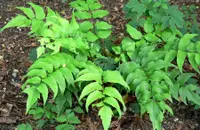
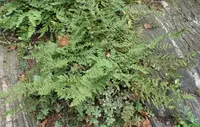
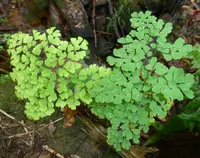
glossy maidenhair Care (Adiantum pulverulentum)

glossy maidenhair

About glossy maidenhair

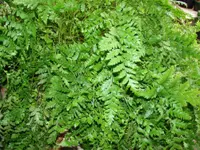
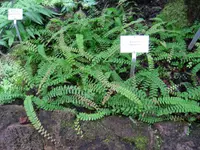
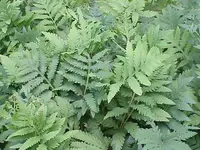
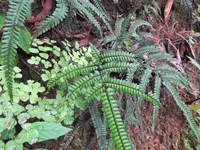
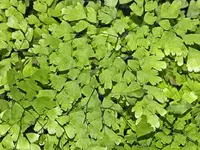
Glossy maidenhair (Adiantum pulverulentum) is a tropical fern valued for its delicate, fan-shaped leaf segments and thin, dark, wiry stems. It forms soft, arching clumps that give a light, airy look.

This species occurs in warm, humid forests of Central and South America, often on shaded slopes or rocky, moist habitats. It prefers consistently moist, well-drained, humus-rich soil and gentle, filtered light.

Its fine foliage and constant moisture needs make it more sensitive than many common houseplants, so it suits growers who can monitor humidity and watering closely. Learning how to care for glossy maidenhair helps keep its fronds lush and prevent leaf drying or sudden decline.

Main Plant Requirements

Care Difficulty

Hard Care

Light Preference

Partial Shade

Water Requirements

Keep Soil Moist

Temperature Preference

Tropical / Frost Sensitive

Hardiness Zone

11–12

Soil Texture

Loamy, Peaty, Organic-rich

Soil pH

Acidic (5.5–6.5)

Soil Drainage

Moist but well-drained

Fertilization

Light (every 4–6 weeks)

Get Personalized Care Plan

Scan your plant to receive care tips personalized for your specific plant

Available on iOS and Android

How to Care for the glossy maidenhair

Adiantum pulverulentum prefers cool, bright shade that mimics a forest understory.

  • Provide 6–8 hours of bright, indirect light daily, such as dappled shade under taller plants or a shaded porch with reflected light.
  • Allow only soft morning sun; avoid direct midday or afternoon sun, which can scorch fronds and dull the look of glossy maidenhair.
  • In summer, shift to deeper shade if fronds pale or crisp at the edges; in winter, move slightly closer to light to offset shorter days.

This fern needs steadily moist, never waterlogged soil to keep its fronds hydrated and healthy.

  • Water when the top 1–2 cm of soil feels barely dry, aiming to keep the root zone evenly damp rather than cycling between dry and wet.
  • Use loose, humus-rich soil with good drainage so water flows through within a few seconds, preventing stagnant conditions that cause root rot.
  • Increase watering frequency in warm, active growth periods and reduce slightly in cooler months; drooping, crisp fronds suggest dryness, while yellowing with soft stems suggests overwatering in Adiantum pulverulentum.

This species thrives in consistently mild, frost-free conditions.

  • Aim for 65–80°F (18–27°C) for steady growth, avoiding sudden swings of more than 10°F (6°C) within a day.
  • Protect from cold; fronds can be damaged below 45°F (7°C), and prolonged exposure below 40°F (4°C) may kill the plant, especially in wet soil.
  • In hot spells above 85°F (29°C), increase shade and humidity and avoid hot, drying winds, which can cause frond scorch and rapid moisture loss.

This fern requires high, stable humidity to maintain healthy fronds.

  • Aim for 60–80% humidity; caring for glossy maidenhair in drier homes usually needs active humidification.
  • Crisping tips, rolling fronds, and stalled new growth indicate humidity stress rather than underwatering.
  • Increase humidity with a room humidifier, enclosed display case, or grouping plants on wide pebble trays kept consistently wet below the pot base.

Use a loose, moisture-retentive yet free-draining mix that mimics a humus-rich forest floor.

  • Choose a fine-textured, airy substrate based on peat or coco coir with plenty of leaf mold or compost for Adiantum pulverulentum.
  • Ensure fast drainage by adding 20–30% perlite or pumice so water moves through without leaving the mix waterlogged.
  • Aim for slightly acidic to neutral pH around 5.8–6.8, which supports nutrient uptake and healthy root function.
  • Avoid heavy garden soil, clayey mixes, and pure sand, which either suffocate roots or dry out too abruptly.

This fern is well suited to container growing when moisture and stability are controlled carefully.

  • Select a wider, shallower pot rather than a deep one to match its fibrous, surface-oriented root system and reduce soggy lower layers.
  • Use a slightly porous pot material like terra cotta only if you can compensate with closer watering to prevent chronic dryness.
  • Place the container inside a decorative cachepot or on a stable tray to secure the relatively airy fronds from being knocked over.

This fern benefits from light, controlled feeding rather than heavy fertilization, which can damage fine roots.

  • Use a balanced liquid fertilizer (around 10-10-10 or 20-20-20) at 1/4–1/2 strength for caring for glossy maidenhair in active growth.
  • Feed every 4–6 weeks in spring and summer, skipping applications if growth slows or fronds look stressed.
  • Avoid fertilizing in late fall and winter when growth is minimal, especially in cooler rooms.
  • Never apply fertilizer to dry soil; water first, then feed to limit root burn.

Adiantum pulverulentum benefits from light, targeted pruning to maintain fresh fronds and a balanced outline.

  • Best timing is late winter to early spring or whenever individual fronds decline.
  • Remove dead, yellow, or mechanically damaged fronds at the base with clean, sharp scissors.
  • Thin out overcrowded fronds to improve air flow and reduce fungal issues in humid settings.
  • Avoid cutting healthy green fronds heavily, as this slows recovery and weakens the plant.

This fern prefers a slightly snug pot and resents frequent root disturbance, so repot only when clearly necessary.

  • Look for roots circling the pot, pushing through drainage holes, or persistent drying out as signs to repot.
  • Plan repotting for early spring every 2–3 years, shifting only 1 pot size larger with a loose, peat-free fern mix.
  • Gently tease outer roots and keep the root ball mostly intact to reduce stress and setback.
  • Water thoroughly after repotting, keep humidity high, and shade from strong light for 1–2 weeks while it re-establishes.

Adiantum pulverulentum is most practically propagated by careful division rather than from spores at home.

  • Divide mature, dense clumps in early spring as new fiddleheads start to emerge.
  • Lift the plant gently, then separate the rhizome into sections, each with several healthy fronds and roots.
  • Plant divisions into small pots with moist, airy fern substrate, firming lightly around the roots.
  • Maintain 70–75°F, high humidity, and consistently moist (not waterlogged) soil until strong new growth appears.

This fern is frost sensitive and in most climates benefits from sheltered or indoor winter conditions.

  • Move container plants indoors before temperatures drop below 50°F, placing them in bright, indirect light.
  • Maintain indoor temperatures around 60–75°F with 50–70% humidity to avoid frond crisping.
  • Keep soil slightly moist but reduce watering compared with summer, avoiding both dryness and soggy conditions.

Care Tips

Moisture-retentive mulch

Top the soil with a 1–2 cm layer of fine orchid bark or sifted coco coir to slow evaporation and buffer the roots from rapid moisture swings that can desiccate the delicate fronds.

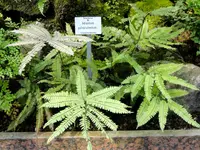
Frond-edge mist channel

When misting, direct a very fine spray along the outer frond edges rather than into the crown to raise local humidity while reducing the risk of rot at the tightly clustered rhizomes.

Gentle air management

Place the plant where air moves slightly but never directly across the foliage, using a fan on a low, indirect setting to reduce fungal issues while avoiding frond desiccation.

Segmented repotting method

If dividing, cut the rhizome mass into small, compact clusters with at least 3–5 healthy fronds each, and pot them close together in the new container to maintain a dense, stable canopy.

Water-quality monitoring

Use low-mineral water (rain, distilled, or filtered) and watch older fronds for crisp brown edges, which may signal dissolved salts building up and indicate it is time to flush the potting mix thoroughly, a key detail when caring for glossy maidenhair.

Common Pests and Diseases

Scale insects

These insects attach to the wiry stems and undersides of pinnae, sucking sap and causing yellowing and thinning fronds over time.

Solution

Wipe stems and fronds with a cotton pad dipped in 50% isopropyl alcohol and water, repeat weekly until no insects remain, and increase humidity and airflow to reduce stress that favors reinfestation.

Mealybugs

This pest hides in frond bases and along rachises, leaving white cottony clusters and causing weak, distorted new growth.

Solution

Manually remove colonies with a soft brush or cotton swab dipped in diluted alcohol, then shower the plant gently with lukewarm water and repeat inspections every few days until no new clusters appear.

Fungal leaf spot

This disease produces small water-soaked or brown speckles on the delicate leaflets that can merge into larger necrotic patches in overly damp, still air.

Solution

Remove and discard affected fronds, increase spacing and airflow, keep water off the foliage, and use a low-toxicity fungicide labeled for ferns if spots continue to spread despite environmental adjustments.

Spider mites

These pests thrive on thin-textured foliage in dry indoor air, causing fine stippling, dull fronds, and very fine webbing between pinnae.

Solution

Rinse the entire plant under a gentle lukewarm shower, then maintain 60–70% humidity and repeat washing every few days; for persistent infestations, use an insecticidal soap sprayed to all frond surfaces, especially undersides, as part of Adiantum pulverulentum care.

Interesting Facts

Powdered leaf surfaces

The fronds have a characteristic pale, powdery coating on the underside, which inspired the species name pulverulentum and gives the foliage a slightly matte, dusty appearance compared with many other maidenhair ferns.

Streamside habitat specialist

In the wild, this species usually grows on damp rocks and banks along tropical streams and waterfalls, favoring constantly moist, moving water rather than typical forest floor conditions.

Large, arching fronds

It produces relatively long, gracefully arching fronds for a maidenhair fern, with many small, fan-shaped leaf segments that create a finely textured, airy canopy when the plant is mature.

FAQs about glossy maidenhair

Brown fronds usually result from low humidity, underwatering, or exposure to dry drafts and heat sources. Once tissue is crisp, it will not recover. Trim damaged fronds and improve humidity and watering consistency to support new, healthy growth.

Grow Healthy Plants with Botan Care

Keep your plants happy and healthy with plant identification, disease detection, and easy care guidance.

Botan plant care app — identify plants on mobile

Explore More Plants