Adiantum polyphyllum Care

Adiantum polyphyllum

About Adiantum polyphyllum

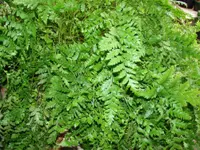
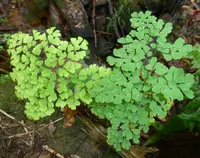
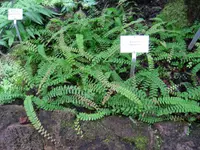
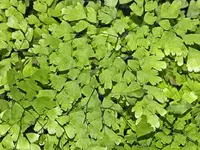
Adiantum polyphyllum is a delicate fern known for its many small, fan-shaped leaf segments carried on thin, dark stalks. It forms soft, arching clumps that give a fine, lacy texture.

This species is native to humid tropical and subtropical regions, where it grows in shaded, sheltered spots on forest floors or moist rock faces. Its thin fronds and fine roots make it sensitive to drying out and to low humidity, which can cause frond tips to brown.

Because of this, it is considered moderately challenging for beginners and suits growers who can provide stable moisture and gentle, filtered light. Those who learn how to care for Adiantum polyphyllum often appreciate its elegant, airy look indoors or in shaded outdoor spaces in mild climates.

Main Plant Requirements

Care Difficulty

Hard Care

Light Preference

Partial Shade

Water Requirements

Keep Soil Moist

Temperature Preference

Tropical / Frost Sensitive

Hardiness Zone

Unknown

Soil Texture

Loamy, Peaty, Organic-rich

Soil pH

Acidic (5.5–6.5)

Soil Drainage

Moist but well-drained

Fertilization

Light (every 4–6 weeks)

Get Personalized Care Plan

Scan your plant to receive care tips personalized for your specific plant

Available on iOS and Android

How to Care for the Adiantum polyphyllum

This fern prefers soft, forest-like light rather than direct, intense sun.

  • Provide 2–4 hours of gentle morning sun with bright, dappled or filtered light for the rest of the day, similar to light under a tree canopy.
  • Allow Adiantum polyphyllum to grow in partial to full shade in hot regions, protecting it from strong midday and afternoon sun that can scorch fronds.
  • In winter, thinner deciduous canopy may increase light; monitor for pale or stretched fronds as a sign that shade has become too deep.

This species needs consistently moist but not waterlogged soil around its fibrous roots.

  • Water when the top 1–2 cm of soil feels just slightly dry, aiming to keep the deeper layer evenly damp at all times.
  • Use a loose, humus-rich soil with very good drainage so excess water flows away, reducing the risk of root rot and sour, anaerobic conditions.
  • In cooler months, reduce frequency as drying slows; crisp, browning frond tips suggest underwatering, while yellowing and limp fronds can indicate overwatering.

This fern favors cool to mild, stable temperatures similar to a shaded woodland.

  • Aim for 60–75°F (16–24°C) during active growth, which supports steady frond production and healthy, fine-textured foliage.
  • Protect it from frost; growth is stressed below about 40°F (4°C), and hard freezes can kill fronds or crowns, especially in exposed positions.
  • In hot spells above 85°F (29°C), increase shade and humidity, and avoid hot, drying winds or heat-reflecting surfaces that can overheat delicate fronds.

This fern needs consistently high humidity to keep its fine fronds from drying out.

  • Aim for 60–80% humidity; use a room humidifier or place the pot on a pebble tray with water below the pot base.
  • It tolerates only brief spells of dry air, after which frond tips brown and leaflets crisp along the edges.
  • Increase humidity by grouping plants, avoiding heating or AC drafts, and misting lightly only as a supplement, not the main method.

This species prefers a loose, moisture-retentive yet airy mix that mimics a humus-rich forest floor.

  • Use a mix of roughly 50% peat or coco coir, 30% fine compost, and 20% perlite or fine bark to balance moisture and air.
  • Ensure fast drainage so water moves through within seconds, preventing stagnation around delicate, shallow roots of Adiantum polyphyllum.
  • Keep pH slightly acidic to neutral (pH 5.5–7.0); avoid lime-rich mixes that can cause nutrient lockout and weak growth.
  • Do not use heavy garden soil or compacted mixes, which reduce aeration, increase rot risk, and make watering hard to control.

This fern is well suited to container growing when moisture and stability are carefully managed.

  • Choose a wide, shallow pot to match its spreading, shallow roots and maintain more even moisture across the surface.
  • Use a potting container with side as well as base drainage holes if possible to prevent water pockets around fine roots.
  • Select plastic or glazed ceramic rather than bare terracotta where air is dry, to slow evaporation and reduce water stress.

Light feeding supports steady frond growth without overwhelming the fine roots of Adiantum polyphyllum.

  • Use a balanced liquid fertilizer (around 10-10-10 or 20-20-20) diluted to 1/4–1/2 strength for container plants.
  • Apply every 4–6 weeks during spring–summer active growth, always on pre-watered soil to prevent root burn.
  • Skip feeding in autumn–winter or when growth slows, especially for plants grown in rich, humus-based mixes.
  • In garden beds, rely mainly on compost or leaf mold worked into the soil once a year in spring.

Thoughtful pruning keeps Adiantum polyphyllum tidy and supports fresh, healthy fronds.

  • Carry out light pruning in late winter or early spring as new croziers (unfurling fronds) begin to appear.
  • Remove dead, yellowing, or damaged fronds at the base with clean, sharp scissors to reduce disease risk.
  • Thin out congested interior fronds to improve air movement and maintain a balanced, graceful clump.
  • Avoid cutting green, healthy fronds hard, as this can temporarily reduce vigor and ornamental fullness.

Occasional repotting or transplanting helps this fine-rooted fern maintain healthy growth and moisture balance.

  • Check for roots circling the pot, emerging from drainage holes, or slowed growth as signs a move is needed.
  • Plan repotting or transplanting in early spring, typically every 2–3 years for container-grown plants.
  • Shift into a pot only 2–3 cm wider, using a moisture-retentive, well-drained mix rich in leaf mold or compost.
  • Handle the root ball gently, keep divisions intact where possible, water thoroughly, then maintain even shade and humidity to limit stress.

Division is the most practical method for increasing Adiantum polyphyllum while keeping plants true to type.

  • Divide established clumps in early spring as new growth starts, when soil is moist and temperatures are mild.
  • Lift the plant carefully, then separate the rhizome into sections, each with several healthy fronds and buds.
  • Replant divisions at the same depth in a fine-textured, humus-rich, evenly moist substrate.
  • Keep new sections in consistent shade, high humidity, and out of wind until strong new fronds develop.

This fern dislikes hard freezes and benefits from mild winter protection in cooler climates.

  • In regions below about 25°F, grow Adiantum polyphyllum in containers and move indoors or to a cool greenhouse before frost.
  • Maintain indoor temperatures around 55–65°F in bright, indirect light with stable humidity.
  • For in-ground plants in mild climates, add a loose mulch layer to insulate the root zone without burying the crown.
  • Reduce watering in winter, keeping soil just lightly moist to avoid rot in cool conditions.

Care Tips

Use self-watering tray

Place the pot on a wide, shallow tray filled with moist gravel so the root zone stays evenly cool and slightly humid without the risk of waterlogging the soil surface near the crown.


Rotate for even fronding

Turn the pot 1/4 turn every 1–2 weeks so new fronds develop evenly and the plant does not lean or produce weak, one-sided growth.

Protect delicate fronds

Position the plant away from doorways, pet traffic, and narrow shelves so mature fronds are not repeatedly brushed or bent, which quickly causes browning and breakage.

Use tepid, soft water

If tap water is hard or heavily chlorinated, use filtered, distilled, or rainwater at room temperature to reduce mineral buildup on the fine roots and frond tips.

Plan gentle repotting

When repotting, pre-moisten the new substrate and move the root ball with minimal disturbance, keeping it at the same depth in the pot to avoid crown rot and stress during Adiantum polyphyllum care.

Common Pests and Diseases

Fern scale

This pest attaches tightly to the undersides of fronds and rachises, appearing as small brown or tan bumps that cause fronds to yellow and weaken over time.

Solution

Remove heavily infested fronds, then gently scrape or wipe remaining scales off with a cotton swab dipped in isopropyl alcohol, taking care not to damage the thin leaf tissue. Improve air movement, avoid excess fertilizer, and repeat inspections weekly, using a light horticultural oil spray labeled safe for ferns if needed.

Aphids

These insects cluster on tender new fronds and stolons, sucking sap and causing distortion, sticky honeydew, and sometimes sooty mold growth.

Solution

Rinse fronds thoroughly with a gentle stream of lukewarm water to dislodge colonies, then spot-treat remaining insects with insecticidal soap suitable for ferns. Keep the plant slightly isolated until populations drop, and avoid overfertilizing, which encourages soft, aphid-prone growth when caring for Adiantum polyphyllum.

Rhizoctonia leaf blight

This disease causes brown, irregular lesions starting at the base of fronds, which may spread along the blade in warm, humid, crowded conditions.

Solution

Cut off and discard affected fronds, avoiding contact with healthy tissue, and increase spacing and airflow while keeping foliage dry during watering. If spread continues, use a fungicide specifically labeled for Rhizoctonia on ferns and adjust watering to keep the substrate evenly moist but not soggy.

Bipolaris leaf spot

Symptoms include multiple small, dark brown to black spots with possible yellow halos on the delicate leaf segments, often coalescing into larger dead patches.

Solution

Remove and dispose of spotted fronds to reduce spore load, and water at the base to keep foliage dry. Improve air circulation, avoid overhead misting onto leaves, and apply a labeled ornamental fern fungicide if new lesions continue to appear.

Botrytis gray mold

This disease develops in cool, stagnant, humid air, causing soft brown patches on fronds covered with gray fuzzy mold, especially on older or damaged tissue.

Solution

Promptly remove and discard all affected fronds and surface debris, then increase ventilation and reduce humidity spikes around the plant. Water in the morning so foliage dries quickly and, if necessary, use a fungicide labeled for Botrytis on ornamentals, taking care to avoid overapplication on the thin fronds.

Interesting Facts

Cloud forest specialist

This fern is naturally found in humid tropical cloud forests of Central and South America, where it grows on shaded, moist slopes and rock faces constantly bathed in mist.

Delicate multi-part fronds

Its fronds are divided into many small, thin segments on fine black stalks, giving it a more filigree, lace-like appearance than many other maidenhair ferns.

Moisture-sensitive leaflets

The tiny leaf segments can quickly lose turgor and shrivel if humidity or soil moisture drops too low, which is one reason Adiantum polyphyllum indoor care is considered more challenging than that of many common houseplants.

FAQs about Adiantum polyphyllum

Brown tips or fronds usually result from low humidity, missed or irregular watering, or exposure to hot, dry air. Increase humidity, avoid drafts and heaters, and keep the root zone evenly moist but not waterlogged to improve new growth.

Grow Healthy Plants with Botan Care

Keep your plants happy and healthy with plant identification, disease detection, and easy care guidance.

Botan plant care app — identify plants on mobile

Explore More Plants