Old World forkedfern Care (Dicranopteris linearis)

Also known as: false staghorn fern
Old World forkedfern

About Old World forkedfern

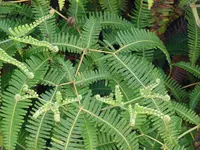
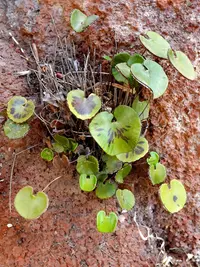
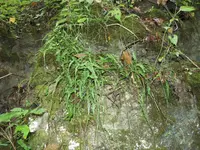
Old World forkedfern (Dicranopteris linearis) is a scrambling, ground-covering fern with many forked fronds that form dense, layered thickets. It spreads by long, wiry stems that root as they creep, creating a low, tangled fern carpet.

This species is native to tropical and subtropical regions of Asia, the Pacific, and parts of Africa, often dominating open slopes, roadsides, and disturbed ground. It is tough, fast-growing, and can become invasive in warm climates, which affects how easy it is to control.

Because it tolerates poor soils, wind, and full sun, it is generally easy to grow but can be difficult to confine in small gardens. Those who want to care for Old World forkedfern should provide consistently moist but well-drained soil and avoid very cold conditions.


Main Plant Requirements

Care Difficulty

Moderate Care

Light Preference

Partial Shade

Water Requirements

Keep Soil Moist

Temperature Preference

Tropical / Frost Sensitive

Hardiness Zone

10–12

Soil Texture

Sandy, Loamy, Organic-rich

Soil pH

Acidic (5.5–6.5)

Soil Drainage

Moist but well-drained

Fertilization

Minimal (feed rarely)

Get Personalized Care Plan

Scan your plant to receive care tips personalized for your specific plant

Available on iOS and Android

How to Care for the Old World forkedfern

This fern prefers bright, filtered light that mimics a lightly shaded forest edge.

  • Aim for 3–5 hours of gentle morning sun with dappled or high bright shade for the rest of the day, especially in warm climates.
  • Protect Old World forkedfern from harsh midday and afternoon sun, which can scorch fronds, bleach color, and dry the soil too fast.
  • In summer, provide more shade or use overhead filtering; in cooler seasons, allow a bit more direct morning light to maintain dense growth.

This fern needs consistently moist but not waterlogged soil to stay healthy.

  • Maintain evenly moist soil, letting only the top 1–2 cm feel just damp, not dry, before watering again, especially in sandy or fast-draining sites.
  • Increase watering during hot, dry weather when fronds begin to feel less firm or the soil surface lightens in color, signs of early moisture loss.
  • Reduce frequency in cooler months, but never allow the root zone of Dicranopteris linearis to dry out completely or sit in standing water, which encourages rot.

This species thrives in warm, frost-free conditions similar to lowland tropical or subtropical climates.

  • Target 68–86°F (20–30°C) for strongest growth; plants stay active and produce new fronds steadily in this range.
  • Avoid temperatures below 50°F (10°C); brief dips to 45°F (7°C) may be tolerated, but repeated cold slows growth and can damage tender frond tips.
  • Protect from frost entirely, as freezing temperatures kill foliage, and provide shade plus extra moisture during heat above 95°F (35°C) to limit stress.

This fern prefers consistently moist air and benefits from moderately high humidity.

  • Aim for 60–80% humidity; growth slows and fronds toughen in air below about 40%.
  • In dry indoor air, tips may brown and fronds may curl or feel papery from humidity stress.
  • Use a pebble tray, grouped plants, or a small humidifier near Old World forkedfern to raise local humidity.

Dicranopteris linearis prefers a loose, well‑aerated, organically rich substrate that stays evenly moist yet drains freely.

  • Use a mix of 50–60% peat or coco coir with 20–30% compost and 20–30% perlite or fine bark for structure and drainage.
  • Aim for slightly acidic conditions around pH 5.5–6.5, which favor nutrient availability and healthy root and rhizome growth.
  • Avoid dense clay, compacted ground, or mixes with a high fine-sand content that hold water around roots and cause stagnation.
  • In heavy native soil, raise the planting area or use a berm and blend in coarse bark and perlite to increase aeration and drainage.

This species can be grown in containers if given stable, moist conditions and enough horizontal space for its spreading habit.

  • Choose a wide, shallow pot to accommodate creeping rhizomes and prevent the plant from quickly crowding the container edges.
  • Select a heavier material such as ceramic to keep the container stable as the fern spreads outward and becomes top‑heavy on one side.
  • Elevate the pot slightly on feet or risers so drainage holes remain clear and water does not pool under the container base.

This fern is adapted to low-nutrient soils and usually needs minimal feeding in gardens or containers.

  • Use a light top-dressing of fine compost or leaf mold in spring if growth appears weak.
  • For containers, apply a balanced diluted liquid fertilizer (around 1/4 strength) every 6–8 weeks in the warm growing season.
  • Skip feeding in winter or any cool dormant period to avoid soft, weak fronds.
  • When caring for Old World forkedfern, avoid heavy, frequent fertilization, which can cause leggy, lush but unstable growth.

Pruning Dicranopteris linearis focuses on hygiene and access rather than shaping.

  • Best time is late winter or early spring before strong new growth begins.
  • Remove dead, diseased, storm-damaged, or badly scorched fronds at the base with clean hand pruners or sharp scissors.
  • Thin out severely crowded or sprawling sections to improve air flow and maintain a manageable spread.
  • Avoid cutting back all fronds at once; leave healthy green growth to maintain energy reserves.

This fern is more often used as a groundcover than a container plant, so transplanting is the main concern.

  • Transplant when clumps outgrow their space, crowd other plants, or when growth declines despite good conditions.
  • Choose warm, moist weather in late spring or early summer to match the active growing season of Dicranopteris linearis.
  • Lift sections with a spade, keeping root mats intact, and replant at the same depth in well-drained, consistently moist soil.
  • Water thoroughly after moving and shade the area for 1–2 weeks to reduce transplant shock and root stress.

Propagation of this species is usually done by division or spreading pieces of its creeping stems.

  • Best season is late spring to early summer, when soil is warm and plants are actively growing.
  • Dig and divide dense clumps, separating sections with several healthy fronds and firm rhizomes.
  • Replant divisions into moist, well-drained soil, firming gently and watering thoroughly to settle roots.
  • Maintain high humidity and light shade during establishment to encourage steady new frond growth.

This tropical to subtropical fern is not frost hardy and needs protection in regions with cold winters.

  • In mild climates above freezing, a light mulch over the root zone helps buffer short cool spells.
  • In areas with frost, grow in containers that can be moved indoors or into a heated greenhouse for winter.
  • Indoors, keep temperatures above 55°F, provide bright indirect light, and maintain evenly moist but not waterlogged soil.

Care Tips

Control Spreading Rhizomes

Install a shallow plastic or metal root barrier 10–15 cm deep around beds in landscaping to keep this fern’s creeping rhizomes from invading nearby planting areas while still allowing dense colony formation inside the boundary.

Stabilize Loose Slopes

When using this fern for erosion control, plant divisions in a staggered grid across the slope and secure them with biodegradable pins or small wire U-staples so new rhizomes can knit the soil together before heavy rains.

Use Division Timing

Divide and replant clumps at the start of the warm, rainy season when soil is moist and temperatures are stable, which greatly improves establishment and reduces transplant stress for those growing Old World forkedfern outdoors.

Manage Frond Height

In exposed sites, selectively trim only the tallest, wind-catching fronds and leave shorter, sturdy ones intact to reduce wind damage while preserving enough foliage for photosynthesis and ground cover.

Monitor Spore Spread

If naturalizing is a concern near sensitive habitats, remove older fertile fronds before they fully brown and release spores, disposing of them in garden waste rather than compost to limit unplanned spread.

Common Pests and Diseases

Scale insects

These insects attach to stems and fronds, sucking sap and causing yellowing, stunted growth, and sticky honeydew on the plant surface.

Solution

Prune heavily infested fronds, then wipe remaining stems and rachises with a cotton pad dipped in diluted isopropyl alcohol or insecticidal soap; repeat weekly until new growth stays clean. Improve light and airflow in the planting area and avoid overfertilizing, which encourages scale buildup on dense thickets of Old World forkedfern.

Fern aphids

These insects cluster on young fiddleheads and tender frond tips, leading to distorted new growth and sticky residue that may attract sooty mold.

Solution

Rinse colonies off the fronds with a firm but gentle stream of water, then treat remaining hotspots with insecticidal soap or a horticultural oil labeled for ferns. Maintain moderate nitrogen fertilization and reduce nearby weed hosts so aphids are less likely to build up in large numbers on new shoots.

Leaf spot fungi

This disease produces scattered brown to dark purple spots or blotches on pinnae, sometimes with pale centers, which can coalesce and cause partial frond dieback in humid, shaded stands.

Solution

Remove and dispose of heavily spotted fronds to reduce spore spread, and thin dense clumps so air circulates more freely around foliage. Water at the base rather than overhead when possible and, in repeatedly affected plantings, use a fern-safe fungicide preventively at the start of warm, wet periods.

Rhizoids and frond blight

This disease, often caused by opportunistic soil fungi in overly wet sites, leads to blackened, collapsing frond bases and decaying rhizoid mats along the soil surface.

Solution

Improve drainage by loosening compacted soil, adding coarse material, or redirecting runoff so the colony does not sit in saturated conditions. Remove and discard affected fronds and surface rhizoid mats, then allow the area to dry slightly between waterings; in landscape settings, systemic fungicides are rarely needed if moisture is corrected.

Interesting Facts

Forked fern architecture

This species creates a characteristic Y-shaped branching pattern in its fronds, repeatedly forking as they grow, which allows dense coverage of open, sunny ground in tropical and subtropical regions.

Pioneer on disturbed land

It commonly dominates landslides, road cuts, and abandoned agricultural fields, acting as a pioneer species that rapidly colonizes exposed, nutrient-poor soils and helps reduce erosion.

Impenetrable thicket growth

The long, wiry, scrambling fronds can form dense, almost shrub-like stands up to several meters across, which are difficult for humans and larger animals to move through and can suppress tree seedlings.

Botan icon

Did you know?

In some tropical landscapes this fern is considered a serious management challenge, because once established its dense, persistent thickets can interfere with forest regeneration and complicate reforestation and plantation establishment efforts.

FAQs about Old World forkedfern

This species spreads quickly via creeping rhizomes and branching fronds, often forming dense thickets. In mild, moist climates it can outcompete other plants, so use physical barriers or regular edging if space is limited.

Grow Healthy Plants with Botan Care

Keep your plants happy and healthy with plant identification, disease detection, and easy care guidance.

Botan plant care app — identify plants on mobile

Explore More Plants