Adiantum fulvum Care

Adiantum fulvum

About Adiantum fulvum

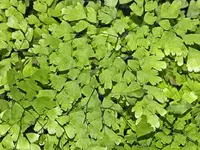
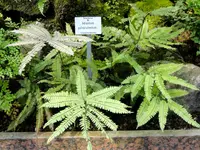
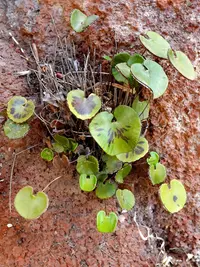
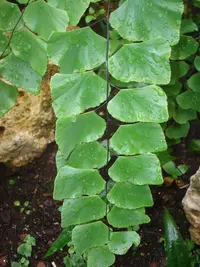
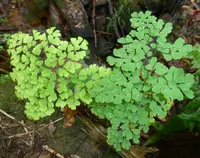
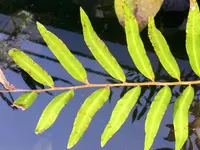
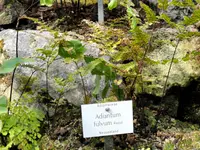
Adiantum fulvum is a delicate fern known for its fine, fan-shaped leaf segments carried on slender, often dark-colored stalks. It forms soft, arching clumps that give a light, airy look. This species occurs naturally in moist, shaded habitats of New Zealand and nearby regions, usually on damp rocks, forest floors, or banks. Its preference for consistent moisture and humidity makes it somewhat sensitive to drying out. Overall, it is moderately challenging for beginners, as irregular watering or very dry air can quickly damage fronds. Those who learn how to care for Adiantum fulvum often value it for its graceful, refined texture in shaded gardens or indoor displays.

Main Plant Requirements

Care Difficulty

Moderate Care

Light Preference

Partial Shade

Water Requirements

Keep Soil Moist

Temperature Preference

Warm Climate

Hardiness Zone

9–11

Soil Texture

Loamy, Peaty, Organic-rich

Soil pH

Acidic (5.5–6.5)

Soil Drainage

Moist but well-drained

Fertilization

Minimal (feed rarely)

Get Personalized Care Plan

Scan your plant to receive care tips personalized for your specific plant

Available on iOS and Android

How to Care for the Adiantum fulvum

This fern prefers soft, indirect light that mimics dappled forest shade.

  • Provide bright, filtered light or light shade, such as under taller plants or 2–4 hours of early morning sun only, avoiding direct midday sun that can scorch fronds.
  • In deep shade, fronds of Adiantum fulvum become sparse and pale; move it gradually to a brighter, sheltered spot for 4–6 hours of indirect light.
  • In summer, shield from strong afternoon sun with shade cloth or a north/east exposure; in winter, allow slightly more indirect light to compensate for shorter days.

This species needs evenly moist, never soggy, soil around its fine roots.

  • Aim for soil that stays slightly damp; allow only the top 1–2 cm to begin to dry before watering again, especially in active growth.
  • Use humus-rich, free-draining soil; water slowly so it soaks through, then let excess drain away to reduce root rot and blackening fronds from overwatering.
  • In cooler months, extend the interval between waterings but do not let the root zone fully dry; crisp, curling frond tips signal underwatering, while limp, yellowing fronds suggest excess moisture.

Stable, mild temperatures support healthy frond growth and root function.

  • Best growth occurs at 60–75°F (16–24°C), with only gentle daily swings; protect from sudden drafts or temperature shocks near doors or vents.
  • This fern dislikes cold; growth slows below 50°F (10°C) and fronds can be damaged by light frost, so shield plants if temperatures approach 32°F (0°C).
  • In hotter periods above 80°F (27°C), provide extra shade, higher humidity, and avoid hot, reflected surfaces; prolonged exposure above 90°F (32°C) can cause frond scorch and stress.

This fern needs consistently humid air to maintain healthy, delicate fronds.

  • Aim for 60–80% humidity; growth declines when levels stay below 50%.
  • Dry air causes crisping frond tips, leaflet drop, and stalled new growth.
  • Increase humidity with a nearby humidifier, grouped plants, or a pebble tray, but avoid wetting fronds constantly.

This species prefers a loose, moisture-retentive but sharply draining mix rich in organic matter.

  • Use a mix of 50–60% peat or coco coir, 20–30% fine compost, and 20–30% perlite or fine bark for structure and drainage.
  • Target a slightly acidic pH around 5.5–6.5, which supports nutrient uptake and healthy root growth.
  • Ensure the mix stays evenly moist but never waterlogged by avoiding dense clay, unamended garden soil, or compacted potting blends.
  • Improve aeration by adding extra perlite or fine bark if the mix feels heavy or stays soggy for more than 2–3 days after watering.

This fern adapts well to container growing when moisture and drainage are carefully balanced.

  • Choose a relatively shallow but wide pot to match the fibrous, spreading root system and support even moisture distribution.
  • Select a non-porous pot material, such as plastic or glazed ceramic, to slow evaporation and reduce rapid drying of the fine roots.
  • Elevate the container slightly on pot feet so excess water clears the drainage holes and does not wick back into the root zone.

This fern benefits from light feeding but is sensitive to excess salts and strong fertilizers.

  • Use a balanced liquid fertilizer (around 10-10-10) diluted to 1/4–1/2 strength for Adiantum fulvum.
  • Apply every 4–6 weeks during spring and summer when new fronds are forming.
  • Skip or greatly reduce feeding in fall and winter, especially in low light or cool rooms.
  • Leach the pot thoroughly with plain water every 1–2 months to prevent fertilizer salt buildup.

Pruning is mainly used to keep Adiantum fulvum tidy and to maintain healthy, fresh fronds.

  • Best time is late winter to early spring, or whenever fronds are clearly dead or badly damaged.
  • Remove brown, yellow, or torn fronds at the base with clean, sharp scissors or small pruning snips.
  • Thin out crowded, weak fronds to improve air flow and light penetration to inner growth.
  • Avoid cutting healthy green fronds heavily, as this reduces photosynthesis and can slow recovery.

This fern prefers stable conditions and only needs repotting or transplanting when clearly rootbound or declining.

  • Check for roots circling the pot, pushing through drainage holes, or a plant drying out very fast as signs to move it.
  • Aim to repot in early spring every 2–3 years, stepping up only 1 pot size with a loose, peat-free, humus-rich mix.
  • Gently tease apart the root ball, trimming only dead roots, and keep the crown at the same soil level.
  • Water thoroughly after repotting, keep humidity high, and provide shaded, draft-free conditions for 1–2 weeks to reduce stress.

Division is the most practical method for propagating Adiantum fulvum at home.

  • Divide established, vigorous clumps in early spring as new growth begins.
  • Lift the plant, then separate the rhizome into sections, each with several healthy fronds and firm roots.
  • Plant divisions into small pots with moist, free-draining, fine-textured fern mix.
  • Maintain high humidity, steady moisture, and gentle shade until strong new fronds appear.

This fern is only moderately cold tolerant and benefits from careful winter management, especially in containers.

  • Avoid exposure to hard frost; maintain temperatures above 40–45°F where possible.
  • For in-ground plants, apply a 5–8 cm layer of leaf mold or compost around the root zone, keeping mulch off the crown.
  • Move container plants indoors or to a cool, bright, frost-free porch or greenhouse.
  • Reduce watering slightly in winter but never allow the root ball to dry out completely.

Care Tips

Stable moisture microclimate

Place the pot inside a slightly larger cachepot lined with damp sphagnum moss or perlite so the root zone experiences slow, even moisture rather than rapid wet-dry swings.

Fine mist protection

If using a mister, aim above and around the fronds so droplets fall as a fine fog and avoid wetting the delicate leaf tissue directly, which reduces spotting and breakage.

Gentle air management

Position the plant where air moves slowly and consistently, away from fans or vents, to prevent frond desiccation while still reducing fungal risk from stagnant air.

Root zone monitoring

Use your finger or a slim moisture probe in 2–3 spots around the pot edge to check for localized dry pockets that can develop in peaty mixes and adjust watering technique accordingly when growing Adiantum fulvum.

Careful handling routine

Rotate the pot using the container rim rather than touching fronds, and use scissors instead of fingers to remove any damaged tissue, as the thin rachis and pinnae snap easily under minor pressure.

Common Pests and Diseases

Scale insects

This pest feeds on the fronds and rachis, causing yellowing, stunted growth, and sticky honeydew on the foliage.

Solution

Remove heavily infested fronds, then wipe remaining fronds and stems with a cotton pad dipped in diluted alcohol or insecticidal soap, taking care not to saturate the delicate leaf tissue. Improve air movement, avoid overfertilizing, and repeat treatments at 7–10 day intervals until no new scale appear.

Fern aphids

These insects cluster on soft new fronds and undersides of pinnae, leading to distorted growth and a sticky surface that can develop sooty mold.

Solution

Rinse fronds gently with lukewarm water to dislodge aphids, then treat remaining colonies with a ready-to-use insecticidal soap, ensuring thorough coverage of undersides of fronds. Reduce nitrogen-heavy fertilization and monitor new growth closely, repeating treatment weekly until populations drop to zero.

Rhizoctonia blight

This disease causes brown, irregular lesions on fronds, frond collapse, and thinning clumps, often starting in crowded, damp areas of the plant.

Solution

Prune and discard all affected fronds, then increase spacing, airflow, and light while avoiding overhead watering and waterlogged media. If spread continues, repot into fresh, free-draining fern mix, discard old soil, and apply a labeled fungicide drench according to fern-safe directions.

Botrytis leaf spot

This disease produces small brown to gray spots that may merge, often accompanied by a gray fuzzy mold on older or damaged fronds in humid, stagnant air.

Solution

Remove and dispose of all spotted or moldy fronds and any fallen debris from the soil surface, then improve ventilation and keep fronds dry when watering. Reduce humidity slightly, water at the soil level in the morning, and for persistent issues use a labeled botrytis fungicide suitable for ferns, applied exactly as directed.

Interesting Facts

New Zealand endemic fern

Adiantum fulvum is naturally restricted to New Zealand and a few nearby islands, where it grows in moist forests, shaded rock faces, and along stream banks, often forming scattered colonies rather than dense carpets.

Coppery new fronds

The young fronds emerge with a distinct coppery to bronze tint that gradually turns deep green as the tissue matures, giving clumps a two-tone appearance during active growth.

Preference for limestone

In the wild, this species often occurs on limestone or other base-rich rocks, indicating a preference for mildly alkaline to neutral substrates compared with many other maidenhair ferns that favor more acidic conditions.

FAQs about Adiantum fulvum

Brown, crisp edges usually result from low humidity, missed waterings, or exposure to hot, dry air. Check that the soil never fully dries, keep it away from heaters or drafts, and increase humidity with trays or a humidifier.

Grow Healthy Plants with Botan Care

Keep your plants happy and healthy with plant identification, disease detection, and easy care guidance.


Botan plant care app — identify plants on mobile

Explore More Plants