Silver-dollar Fern Care (Adiantum peruvianum)

Silver-dollar Fern

About Silver-dollar Fern

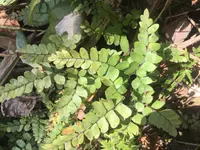
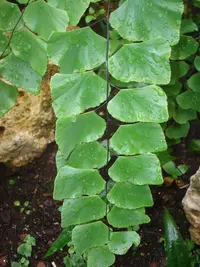
Silver-dollar fern (Adiantum peruvianum) is a tropical maidenhair fern known for its broad, fan-shaped leaf segments that resemble small silver-green coins. It forms soft, arching fronds on dark, wiry stems, creating a delicate, airy clump.

This fern is native to humid, shaded forests of South America, where it grows in consistently moist, well-drained substrates. In homes, it is usually grown as an indoor foliage plant.

Adiantum peruvianum is considered more sensitive than many common ferns, reacting quickly to dry air, irregular watering, and harsh light. Anyone learning how to care for Silver-dollar Fern should focus on stable moisture, high humidity, and gentle, indirect light for best results.

Main Plant Requirements

Care Difficulty

Hard Care

Light Preference

Bright Indirect Light

Water Requirements

Keep Soil Moist

Temperature Preference

Tropical / Frost Sensitive

Hardiness Zone

10–11

Soil Texture

Loamy, Peaty, Organic-rich

Soil pH

Acidic (5.5–6.5)

Soil Drainage

Moist but well-drained

Fertilization

Light (every 4–6 weeks)

Get Personalized Care Plan

Scan your plant to receive care tips personalized for your specific plant

Available on iOS and Android

How to Care for the Silver-dollar Fern

This fern prefers soft, indirect light that mimics a shaded forest floor.

  • Provide 6–8 hours of bright, filtered light each day, such as near an east window or under light tree cover outdoors.
  • Allow only gentle early morning sun; protect Silver-dollar Fern from direct midday or afternoon sun, which scorches fronds and dries soil too fast.
  • In winter, move slightly closer to a bright window or brighter shade outdoors to compensate for shorter days, avoiding sudden drastic light changes.

This species needs consistently moist but not waterlogged soil around its fine roots.

  • Water whenever the top 1–2 cm of soil feels barely dry, aiming to re-moisten before the fronds start to droop or crisp at the edges.
  • Use a loose, well-draining mix and let excess water drain freely to reduce root rot risk while keeping overall moisture high.
  • In warm, active growth, expect more frequent watering; in cooler seasons, allow slightly longer intervals but never let the root zone dry out completely for Adiantum peruvianum.

This fern prefers stable, mild temperatures without sharp fluctuations.

  • Aim for 65–75°F (18–24°C) for best growth, similar to a warm, shaded understory environment.
  • Protect from cold; sustained exposure below 50°F (10°C) slows growth, and light frosts can damage or kill tender fronds.
  • In hotter periods above 80°F (27°C), increase humidity and shade, and avoid hot, dry drafts from heaters or reflected pavement heat to prevent leaf scorch.

This fern needs consistently high humidity to keep its fronds hydrated and intact.

  • Aim for 60–80% humidity; low bathroom or kitchen spots often suit Silver-dollar Fern if light is adequate.
  • Dry air causes crisping frond tips, curling pinnae, and increased leaf drop, especially near heating or AC vents.
  • Increase humidity with a nearby humidifier, grouped plants, and a wide pebble tray under the pot, keeping the pot base above standing water.

Adiantum peruvianum prefers a loose, moisture-retentive yet well-drained, organic-rich mix.

  • Use a fine-textured mix of 2 parts peat or coco coir, 1 part compost, and 1 part perlite or fine bark.
  • The mix should stay evenly moist but never waterlogged, so excess water must drain freely from the pot.
  • Target a slightly acidic pH around 5.5–6.5, which supports nutrient availability and healthy root growth.
  • Avoid heavy garden soil, clays, or mixes that compact, as these reduce aeration and encourage root rot.

This species is well suited to container growing when moisture and stability are carefully managed.

  • Choose a wide, shallow pot to match its shallow, spreading rhizomes and reduce uneven drying in the root zone.
  • Select plastic or glazed ceramic containers to slow evaporation, especially in heated or air-conditioned rooms.
  • Use a stable, heavier pot or place it in a cachepot to prevent tipping as fronds arch outward and increase leverage.

This fern responds well to light, consistent feeding during active growth while remaining sensitive to excess salts.

  • Use a balanced liquid fertilizer (e.g. 10-10-10) diluted to 1/4–1/2 strength for Silver-dollar Fern.
  • Feed every 4–6 weeks in spring and summer on pre-moistened soil to avoid root burn.
  • Stop or reduce feeding to 1 light application in late fall and none in mid-winter.
  • Avoid slow-release pellets pressed into the crown; use a mild, evenly distributed liquid instead.

Pruning Adiantum peruvianum focuses on hygiene and maintaining an airy, graceful frond display.

  • Trim dead, yellowed, or crisp fronds at the base year-round using clean, sharp scissors.
  • In late winter or early spring, remove damaged or crowded fronds to open the center of the clump.
  • Cut fronds close to the rhizome to stimulate fresh growth from the base.
  • Disinfect tools before and after pruning to limit fungal and bacterial issues.

Container-grown plants benefit from periodic repotting to refresh the mix and prevent root binding.

  • Repot every 2–3 years in spring when roots circle the pot, mix dries very fast, or growth slows.
  • Choose a pot 2–3 cm wider with drainage and use a loose, peat-free, humus-rich fern mix.
  • Gently tease outer roots and keep the root ball slightly snug to reduce transplant shock.
  • Water thoroughly after repotting, keep humidity high, and shade from strong sun for 1–2 weeks.

Division is the most practical method for Adiantum peruvianum plant care in home settings.

  • Divide the clump in spring when new croziers emerge and the plant is actively growing.
  • Lift the plant, then separate the rhizome into sections, each with several healthy fronds and buds.
  • Pot divisions into small containers with fine, moist, well-drained fern mix.
  • Maintain 70–75°F, high humidity, and bright, indirect light until new fronds establish.

This fern is frost-sensitive and needs mild, stable conditions through winter, especially in containers.

  • In regions below 50°F, grow Adiantum peruvianum indoors or in a heated greenhouse over winter.
  • Keep indoor temperatures around 60–70°F and avoid cold drafts or heater blasts.
  • Maintain lightly moist soil, allowing only the top surface to dry, and do not overwater in low light.
  • If grown outdoors in mild climates, use a sheltered, shaded, frost-free spot for the coldest months.

Care Tips

Frond handling

Always move or repot the plant by holding the pot, not the fronds, since the delicate leaf stalks snap easily and damaged fronds will not recover.

Moisture check method

Use your finger or a wooden skewer to check that only the top 0.5–1 in of mix has begun to dry before watering, since this fern declines quickly if the root zone swings from wet to dry.

Water quality upgrade

If new fronds show brown tips despite good humidity, switch to rainwater, distilled, or filtered water low in minerals, which reduces salt buildup that this species is very sensitive to.

Stable microclimate

Place the pot inside a larger decorative cachepot with a bit of damp sphagnum moss between the two pots to buffer roots against rapid temperature and moisture fluctuations, especially in air-conditioned rooms.

Gentle grooming routine

Remove entire browned fronds by cutting them at the base with clean scissors every few weeks to reduce fungal risk and encourage new, healthy growth when caring for Silver-dollar Fern.

Common Pests and Diseases

Scale insects

These insects attach to fronds and stems as small brown or tan bumps, sucking sap and causing yellowing, stunted growth, and sticky honeydew on the foliage.

Solution

Remove heavily infested fronds and gently scrape individual scales with a cotton swab dipped in 70% isopropyl alcohol, avoiding runoff onto the soil. Increase humidity and plant vigor, then repeat alcohol swabbing weekly; if needed, use a low-toxicity insecticidal soap labeled safe for ferns, applied as a thorough but gentle spray to both sides of the fronds.

Spider mites

This pest thrives in warm, dry air and causes pale stippling, bronzing, and fine webbing on the delicate leaf segments.

Solution

Rinse fronds under a gentle lukewarm shower or sink spray to remove mites and webbing, protecting the soil with a plastic cover. Raise humidity to 50–60%, avoid hot dry drafts, and repeat washing every few days; if populations persist, apply insecticidal soap or a horticultural oil formulated for fern-safe use, covering all frond surfaces.

Rhizoctonia leaf spot

This disease produces irregular brown or black spots on fronds that may merge into larger dead areas, often starting in dense, poorly ventilated foliage.

Solution

Prune and discard affected fronds, keeping tools clean, and avoid wetting the foliage during watering. Improve air circulation, space plants so fronds do not touch, reduce overhead misting, and if spotting continues, use a fungicide labeled for ornamental ferns and leaf spot, following label directions carefully.

Botrytis blight

This disease appears as soft, water-soaked patches on fronds that quickly turn brown and may develop a gray, fuzzy mold in cool, humid, stagnant air.

Solution

Remove and discard all affected fronds and any fallen plant debris, then increase airflow around the plant and reduce crowding. Water at the soil level in the morning, keep humidity moderate rather than extreme, and in severe cases apply a suitable fungicide for Botrytis on ornamentals, making sure it is safe for fern species.

Interesting Facts

Distinctive silver frond stage

Young fronds of this species often emerge with a pale, almost silvery cast before maturing to light green, a feature that inspired the common name silver-dollar fern.

Naturally arching habit

Its fronds develop in wide, elegant arches that can reach notable lengths under stable humidity, giving the plant a fountain-like silhouette even in indoor conditions.

Native Andean cloud-forest

This fern is naturally distributed in humid, mid-elevation Andean regions, where it grows in consistently moist, shaded habitats with filtered light and high year-round humidity.

FAQs about Silver-dollar Fern

Brown tips or fronds usually come from low humidity, irregular watering, or exposure to dry air and drafts. Maintain evenly moist soil, raise humidity, and keep it away from heaters, vents, and direct hot sun.

Grow Healthy Plants with Botan Care

Keep your plants happy and healthy with plant identification, disease detection, and easy care guidance.

Botan plant care app — identify plants on mobile

Explore More Plants