


Layered mulch zone
Maintain a 3–5 cm layer of fine, leaf-based mulch around the rhizomes, keeping it 2–3 cm away from the crown to retain moisture, cool the root zone, and mimic its natural forest litter without causing rot.

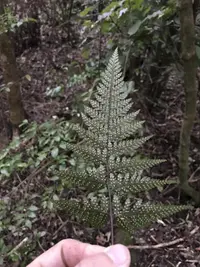
Smooth shield fern, Parapolystichum glabellum, is a finely textured terrestrial fern with arching fronds that form a soft, layered clump. It keeps an attractive green structure rather than strong seasonal changes.
This species occurs naturally in moist, sheltered forests of eastern Australia, often along creek lines and in shaded gullies. It prefers cool, humid conditions with consistently damp, organic-rich soil.
Its tolerance for shade and steady moisture makes it moderately easy to care for smooth shield fern in suitable indoor or outdoor spots. It is less suited to very dry air or strong sun, so site choice is important for long-term success.

Care Difficulty
Moderate Care

Light Preference
Shade

Water Requirements
Keep Soil Moist

Temperature Preference
Warm Climate

Hardiness Zone
10–12

Soil Texture
Loamy, Silty, Organic-rich

Soil pH
Acidic (5.5–6.5)

Soil Drainage
Moist but well-drained

Fertilization
Minimal (feed rarely)
Scan your plant to receive care tips personalized for your specific plant
Available on iOS and Android
This fern prefers soft, filtered light that mimics a sheltered forest floor.
This species prefers consistently moist, never soggy, soil around its root zone.
This fern grows best in mild, frost-free conditions with stable temperatures.
This fern prefers constantly moist air and reacts quickly to dry indoor conditions.
This species prefers loose, humus-rich soil that stays evenly moist yet drains freely.
This fern adapts well to container growing when root space and moisture balance are managed carefully.
This fern grows well in humus-rich soil and benefits from light feeding in active growth.
Parapolystichum glabellum needs only light pruning to keep the clump clean and healthy.
This fern forms spreading clumps that may need transplanting or division after several years in one spot or container.
Parapolystichum glabellum is most practically multiplied by division rather than from spores in home settings.
This fern is moderately cold tolerant in mild climates but needs some protection from hard frost, especially in containers.

Plant Health Check
Not sure what's wrong with your plant? Check your plant's health inside the app.
Unlike many shield ferns with hairy or scaly fronds, this species has smooth, glossy leaf surfaces, which is reflected in the epithet glabellum, meaning nearly hairless or smooth.
It is naturally found on moist, shaded forest floors and creek banks in eastern Australia, often growing in rich leaf litter where humidity and soil moisture stay consistently high.
The fern forms dense clumps rather than spreading aggressively by long creeping rhizomes, so in suitable conditions it can create a soft, layered groundcover in sheltered gardens or shaded landscapes.
Brown tips or fronds usually come from low humidity, irregular watering, or excess fertilizer salts. Improve humidity, keep the root zone evenly moist but not soggy, and flush the potting mix occasionally to remove built‑up salts.
Keep your plants happy and healthy with plant identification, disease detection, and easy care guidance.

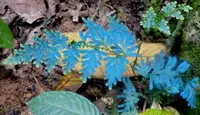
Peacock Fern
Selaginella willdenowii
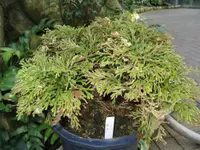
Selaginella tamariscina
Selaginella tamariscina
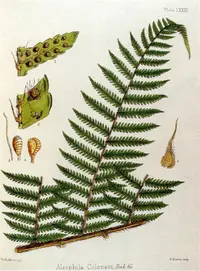
creeping tree fern
Alsophila colensoi
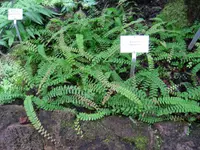
Adiantum edgeworthii
Adiantum edgeworthii
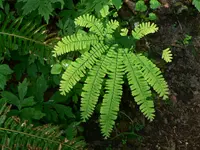
five-finger fern
Adiantum aleuticum
Anemia phyllitidis
Anemia phyllitidis
 POPULAR
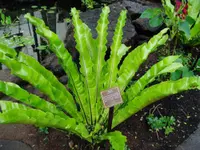
Japanese bird's-nest fern
Asplenium antiquum
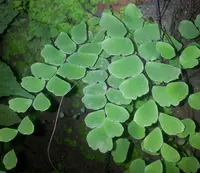
Walking Maidenhair Fern
Adiantum philippense