ashok Care (Saraca indica)

Also known as: asoca, asoka-tree
ashok

About ashok

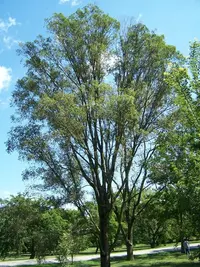
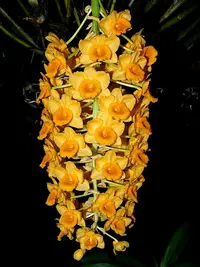
Saraca indica, commonly called ashok, is an evergreen ornamental tree valued for its dense foliage and striking clusters of orange-yellow flowers. It has a naturally spreading, rounded crown and can be grown as a feature tree in warm climates.

In the wild, it occurs in parts of the Indian subcontinent and Southeast Asia, usually in warm, humid forests. It prefers consistently moist, well-drained soil and bright light with some protection from harsh midday sun.

Its moderate growth rate, need for warmth, and sensitivity to cold make it easier to manage in tropical or frost-free regions. Understanding how to care for ashok mainly involves providing stable warmth, good moisture, and space to develop its canopy.

Main Plant Requirements

Care Difficulty

Moderate Care

Light Preference

Partial Shade

Water Requirements

Regular Water

Temperature Preference

Tropical / Frost Sensitive

Hardiness Zone

10–11

Soil Texture

Loamy, Sandy, Organic-rich

Soil pH

Acidic (5.5–6.5), Slightly acidic (6.5–7.0)

Soil Drainage

Moist but well-drained

Fertilization

Minimal (feed rarely)

Get Personalized Care Plan

Scan your plant to receive care tips personalized for your specific plant

Available on iOS and Android

How to Care for the ashok

This tropical tree needs bright, warm light to flower and grow well outdoors in frost-free climates.

  • Provide 4–6 hours of direct morning sun with light afternoon shade; strong western sun can scorch young leaves.
  • Tolerates partial shade (around 3–4 hours of direct or dappled sun), but flowering and dense canopy may decrease in deeper shade.
  • In hot summers, use filtered light under taller trees; monitor leaves for pale color or leggy shoots as a sign of insufficient light.

This species prefers consistently moist, well-drained soil rather than extremes of drought or saturation.

  • Water when the top 3–5 cm of soil feel dry, aiming for evenly moist soil that does not stay soggy or form puddles.
  • In hot seasons, increase watering frequency, especially on sandy or sloping sites; in cool or rainy periods, reduce to avoid waterlogging.
  • Watch for yellowing, soft leaves and sour soil smell as signs of overwatering, and for drooping, crisp leaf edges as signs of underwatering in Saraca indica.

This tropical tree thrives in warm, frost-free conditions and reacts poorly to cold snaps.

  • Ideal growth occurs around 70–90°F (21–32°C), which supports active foliage growth and flowering during the warm season.
  • It tolerates brief dips to about 45°F (7°C), but foliage damage and stress increase below this; young plants are especially sensitive.
  • Avoid frost and freezing; prolonged exposure below 40°F (4°C) can kill branches, while dry heat above 100°F (38°C) requires extra shade and soil moisture management.

This species prefers consistently warm, moderately humid air to mimic its tropical habitat.

  • Aim for 50–70% humidity for healthy foliage and steady growth in ashok.
  • Dry indoor air below 40% can cause leaf-edge browning, curling, and slow new growth.
  • Increase humidity with grouped plants, a wide pebble tray under the pot, or a room humidifier rather than frequent misting.

Saraca indica grows best in slightly acidic, moist but well-drained, organically enriched soil.

  • Use a loamy structure with roughly equal parts garden loam, coarse sand, and compost to balance moisture retention and drainage.
  • Target a pH around 6.0–6.5; amend alkaline soil with leaf mold or peat-free acidic compost to nudge pH down.
  • In heavy or clay soils, mix in coarse sand or fine bark chips to improve aeration and reduce waterlogging risk around roots.
  • Avoid compacted, waterlogged, or purely sandy substrates that either suffocate roots or dry out too quickly for stable growth.

This tree can be grown in large containers for some years if root volume, stability, and drainage are carefully managed.

  • Choose a deep, heavy container to anchor the developing canopy and reduce the risk of the pot tipping in wind.
  • Select a pot material with moderate porosity, such as thick-walled clay or fiberstone, to prevent overheating and rapid moisture loss around roots.
  • Raise the container slightly on pot feet so drainage holes stay clear and runoff leaves the root zone quickly after irrigation or rain.

This tropical tree benefits from modest, consistent feeding in active growth, especially when ashok is grown in containers.

  • Apply a balanced NPK fertilizer at 1/2 strength every 4–6 weeks during spring–summer to support foliage and flower production.
  • Use a slow-release tree or shrub fertilizer or well-rotted compost mixed into the topsoil for long-term nutrient supply.
  • Reduce feeding to 1 light application in early autumn and stop in winter or cool dormant periods to avoid weak, soft growth.
  • Always water before and after feeding, and avoid fertilizing heat-stressed or very dry plants to prevent root damage.

Saraca indica benefits from light, structured pruning to maintain a healthy canopy and flowering display.

  • Carry out main pruning in late winter or very early spring before strong new growth starts.
  • Remove dead, diseased, crossing, or storm-damaged branches first, using clean, sharp bypass pruners or a small pruning saw.
  • Thin congested inner shoots to improve air circulation and light penetration, which supports better flowering and reduces fungal issues.
  • Shorten or redirect overly long shoots to refine shape, maintaining a natural, rounded crown rather than tight clipping.

This species is usually grown in the ground, so focus on careful transplanting rather than frequent container repotting.

  • Transplant young trees in late spring or early summer when soil is warm and stable, avoiding very hot or windy days.
  • Look for signs such as roots circling the pot, water running straight through, or stalled top growth to know a container plant is pot-bound.
  • Move up only 1 pot size, loosening circling roots gently and setting the root ball at the same soil level in a free-draining, rich mix.
  • Water deeply after planting, shade lightly for 1–2 weeks, and keep soil evenly moist to reduce transplant shock and support new root growth.

This tree is mainly propagated by seeds, with vegetative methods used less often for Saraca indica.

  • Collect fresh, ripe seeds and sow them in late spring–early summer in a warm, bright spot out of direct midday sun.
  • Use a free-draining seed mix, keep it evenly moist, and maintain 75–85°F to encourage faster germination.
  • Soak seeds for 12–24 hours before sowing to soften the coat and improve water uptake.
  • For semi-hardwood cuttings, use a rooting hormone, high humidity, and bottom warmth, though success rates are usually lower than with seeds.

This tropical tree is frost-sensitive and needs thoughtful winter care in climates with cool or freezing conditions.

  • In mild climates, add 5–10 cm of organic mulch around the root zone in late autumn, keeping it away from the trunk.
  • In areas with light frost, wrap young trunks with horticultural fleece or burlap and avoid overhead watering on freezing nights.
  • Grow container plants in large pots and move them indoors or into a frost-free greenhouse when temperatures approach 40°F.

Care Tips

Early canopy training

Guide young branches outward with soft ties or spacer sticks during the first 2–3 years to build an open, spreading canopy that allows light and air to reach inner flowering wood.

Root zone mulching

Apply a 5–8 cm layer of coarse organic mulch from 10 cm away from the trunk to just beyond the drip line to keep roots cool, conserve moisture, and reduce weed competition that can weaken flowering.

Wind and limb support

In windy sites, install a single low stake on the windward side of young trees and use flexible ties, then remove support after 1–2 years once the trunk has thickened to avoid long-term girdling.

Flowering flush hygiene

After each major flowering flush, remove spent inflorescences and any attached dry pods by hand or with clean pruners to reduce fungal pressure around the flower clusters and direct energy to new growth.

Monsoon drainage check

In regions with heavy seasonal rain, inspect and clear surface drains or swales around the root zone before the wet season so water does not pool around the base, which is critical for long-term Saraca indica plant care.

Everything About ashok

Common Pests and Diseases

Leaf web caterpillars

This pest spins silken webs over young foliage and feeds within the webbed cluster, leading to skeletonized or chewed leaves on new growth and flushes after pruning.

Solution

Prune out and destroy webbed shoots at the first sign of damage, then monitor new flushes closely. For heavier infestations, spray the foliage with Bacillus thuringiensis (Bt) or a neem-based product in the late afternoon, repeating every 7–10 days while caterpillars are present.

Leaf miners

These insects create narrow, winding tunnels inside the leaf blade, causing pale serpentine trails and occasional premature leaf drop on stressed trees.

Solution

Remove and discard leaves showing fresh mines to reduce the number of larvae developing inside the plant. For valuable landscape specimens, use a systemic insecticide labeled for leaf miners during periods of new leaf flush, combined with good watering and mulching practices to reduce stress while growing ashok outdoors.

Scale insects

This pest appears as small, fixed bumps along stems and leaf midribs, often producing sticky honeydew that encourages black sooty mold on the foliage and nearby surfaces.

Solution

Wipe small colonies with a cloth or cotton pad dipped in diluted alcohol, then follow with a thorough application of horticultural or neem oil, ensuring good coverage of stems and leaf undersides. Repeat every 10–14 days for several cycles and improve light and airflow so new growth remains less attractive to reinfestation.

Anthracnose leaf spot

This disease causes irregular brown to dark lesions along leaf margins and tips, sometimes with a thin yellow halo, leading to early leaf drop in humid, rainy periods.

Solution

Collect and discard fallen leaves, then prune lightly to open the canopy and improve airflow around the branches. Avoid overhead watering, and if conditions stay wet or spots spread rapidly, apply a copper-based or chlorothalonil fungicide labeled for anthracnose at 10–14 day intervals during the wet season.

Powdery mildew

Symptoms include a white to gray powdery coating on young leaves and flower clusters, which may curl, distort, or fail to develop properly in shaded, humid conditions.

Solution

Increase light and air movement around the tree by thinning dense branches and avoiding crowding with other plants, and water at the base rather than on the foliage. At early onset, treat with sulfur or potassium bicarbonate fungicides or a neem-based spray, repeating as directed on the label until new growth emerges clean.

Interesting Facts

Night-opening flowers

The flower buds usually open in the evening or at night, releasing a strong, sweet fragrance that attracts nocturnal pollinators such as moths and certain night-active bees.

Cauliflorous blooming habit

Flowers and fruit often arise directly from older branches and the main trunk, a trait called cauliflory that helps pollinators and seed dispersers reach the inflorescences on a large, woody tree.

Cultural link to Ashoka

In South Asian art and literature, this species is widely associated with the ancient Ashoka tree motif and is frequently planted near temples and historical sites for its symbolic link to joy and renewal.

Botan icon

Did you know?

Molecular and morphological studies have shown that this species is not native to Sri Lanka, even though it was long assumed to be, and that many trees there once identified as Saraca indica actually belong to a related species, highlighting how modern taxonomy can overturn long-standing historical assumptions.

FAQs about ashok

Lack of flowers usually comes from insufficient maturity, low light, or stress from pruning, root disturbance, or drought. Spring pruning after flowering, steady moisture, and avoiding heavy fertilization with high nitrogen encourages better blooming over time.

Grow Healthy Plants with Botan Care

Keep your plants happy and healthy with plant identification, disease detection, and easy care guidance.


Botan plant care app — identify plants on mobile

Explore More Plants