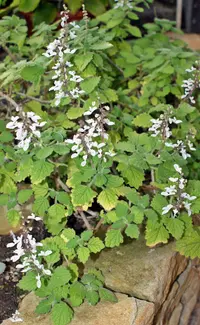
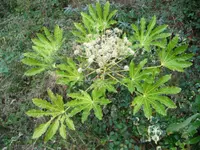
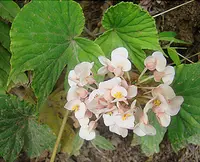
Peperomia urvilleana var. fijiana Care

Peperomia urvilleana var. fijiana

About Peperomia urvilleana var. fijiana

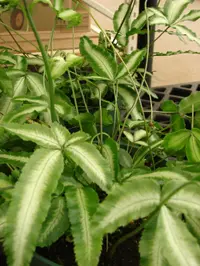
Peperomia urvilleana var. fijiana is a compact, tropical perennial from the Pacific region, grown mainly as a foliage houseplant. It belongs to the pepper family and is valued for its small, succulent-like leaves and trailing to creeping growth habit.

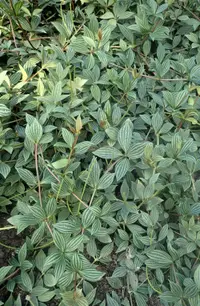
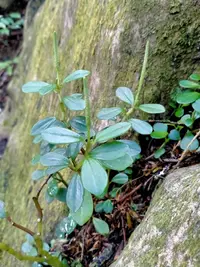
In cultivation, it typically forms low, dense mats or softly trailing stems that suit shelves, mixed planters, or terrariums. The foliage usually has a fleshy texture that helps it store moisture and tolerate brief drying.

This variety prefers bright, indirect light, a fast-draining potting mix, and moderate, steady moisture without waterlogging. Overall, it is considered a manageable plant for growers who learn how to care for Peperomia urvilleana var. fijiana and avoid chronic overwatering.

Main Plant Requirements

Care Difficulty

Moderate Care

Light Preference

Bright Indirect Light

Water Requirements

Moderate Water

Temperature Preference

Tropical / Frost Sensitive

Hardiness Zone

11–12

Soil Texture

Loamy, Peaty, Organic-rich

Soil pH

Acidic (5.5–6.5), Slightly acidic (6.5–7.0)

Soil Drainage

Well-drained

Fertilization

Light (every 4–6 weeks)

Get Personalized Care Plan

Scan your plant to receive care tips personalized for your specific plant

Available on iOS and Android

How to Care for the Peperomia urvilleana var. fijiana

This species prefers bright shade with brief soft sun rather than intense direct exposure.

  • Provide 6–8 hours of bright, indirect light or dappled shade; early morning sun is usually safe, but avoid harsh midday sun.
  • Outdoors, place Peperomia urvilleana var. fijiana where it receives filtered light under taller plants or shade cloth, especially in summer.
  • Watch leaves for feedback: pale, scorched, or crispy patches indicate too much sun, while stretched, floppy growth suggests insufficient light.

This plant prefers slightly dry conditions between waterings rather than constantly wet soil.

  • Water only when the top 2–3 cm of soil feel dry, using enough water to moisten the root zone, then let excess drain away fully.
  • Reduce watering in cooler, darker months, allowing the soil to dry a bit deeper, and increase slightly during active warm-season growth.
  • Soft, yellowing, or mushy stems suggest overwatering and poor drainage, while wrinkling or limp, thin leaves usually point to underwatering.

Stable warm conditions support steady growth and reduce stress for this species.

  • Aim for 65–80°F (18–27°C) for best growth, keeping temperatures as even as possible between day and night.
  • Protect the plant from cold: growth slows below about 60°F (16°C), and tissue damage is likely below 50°F (10°C), especially with wind or damp soil.
  • It tolerates short heat spells up to about 85–90°F (29–32°C) if shaded and well ventilated, but avoid placing it near hot, reflective surfaces.

This species prefers moderately humid air but adapts to typical indoor levels if not too dry.

  • Aim for 40–60% humidity to keep foliage plump and reduce leaf edge browning.
  • It tolerates short dry air spells, but prolonged very low humidity causes curled, dull, or crisping leaves.
  • Increase humidity with a nearby pebble tray or grouped plants rather than misting, which adds only brief moisture.

Peperomia urvilleana var. fijiana grows best in a light, airy, fast-draining mix that still holds some moisture.

  • Use a base of peat or coco coir with added perlite and fine orchid bark for a loose, chunky texture.
  • Aim for slightly acidic to neutral pH around 6.0–7.0, which supports nutrient availability for this foliage plant.
  • Ensure excess water drains freely; a mix that stays wet for more than 2–3 days risks root and stem rot.
  • Avoid heavy garden soil, clayey mixes, or very fine compost that compacts and reduces air around the roots.

This species is very suitable for container growing due to its compact, shallow-rooting habit.

  • Choose a wide, shallow pot so spreading stems can trail without forcing roots into deep, wet substrate.
  • Use breathable materials like terracotta if the mix stays moist too long, as they allow faster evaporation from the sides.
  • Secure trailing or leaning stems over the rim to prevent the container from becoming unbalanced and tipping over.

This compact species stays healthy with light, targeted feeding during the warmer months.

  • Use a balanced liquid fertilizer (around 10-10-10 or 20-20-20) diluted to 25–50% strength.
  • Feed every 4–6 weeks in spring and summer while growth is active.
  • Skip fertilizer in late fall and winter when growth slows.
  • For Peperomia urvilleana var. fijiana, avoid rich compost or heavy slow-release pellets that can burn roots.

Pruning helps maintain a dense, tidy form and supports long-term vigor.

  • Trim in spring or early summer when growth is strongest.
  • Remove dead, yellowing, or damaged stems first, then thin crowded shoots.
  • Pinch or cut back leggy stems just above a node to encourage branching.
  • Use clean, sharp scissors or snips to limit tissue damage and disease spread on Peperomia urvilleana var. fijiana.

This plant prefers slightly snug containers and only occasional repotting.

  • Check for roots circling the pot, protruding from drainage holes, or unexplained slow growth.
  • Plan to repot every 2–3 years in spring, moving to a pot just 2–3 cm wider.
  • Use a free-draining mix and handle roots gently, keeping the rootball mostly intact.
  • After repotting Peperomia urvilleana var. fijiana, water lightly, keep in bright indirect light, and avoid fertilizing for 3–4 weeks.

Vegetative propagation is the most reliable method for increasing plants.

  • Take 5–8 cm stem cuttings with 2–3 nodes in spring or early summer.
  • Root cuttings in moist, well-drained mix under bright, indirect light and high humidity.
  • Insert at least 1 node below the surface and keep the medium just slightly damp.
  • Division of dense clumps is possible but stresses Peperomia urvilleana var. fijiana more than stem cuttings.

This species is frost sensitive and needs warm, stable conditions in winter.

  • Keep temperatures above 60°F and avoid cold drafts or sudden temperature drops.
  • Move container plants indoors before outdoor temperatures fall below 55°F.
  • Place in bright, indirect light and reduce watering so the mix dries slightly between waterings.
  • Avoid cold windowsills and ensure the pot has good drainage to limit root rot risk.

Care Tips

Train trailing stems

Guide young stems gently along a shelf edge or trellis and secure them loosely with soft plant ties so the plant develops an even, well-spaced cascading habit instead of a tangled mat.

Rotate for symmetry

Rotate the pot 90° every 2–3 weeks to keep internodes short and growth balanced, which prevents the plant from leaning or becoming sparse on the shaded side.

Use shallow containers

Choose a wide, shallow pot rather than a deep one so the relatively fine, shallow root system can fill the container evenly and excess moisture does not linger at the bottom.

Seasonal rest adjustment

In late autumn, reduce both handling and repotting activity and allow slightly slower growth so tissues harden properly, then resume any structural pruning and shaping in early spring once active growth returns.

Clean foliage gently

Wipe the small leaves occasionally with a barely damp, soft cloth or use a hand air blower on low to remove dust, which improves light capture and allows earlier detection of pests when caring for Peperomia urvilleana var. fijiana.

Common Pests and Diseases

Mealybugs

This pest often shelters in leaf joints and along stems, feeding on sap and weakening growth. Symptoms include white cottony clusters, sticky honeydew, and distorted new leaves.

Solution

Remove visible clusters with a cotton swab dipped in 70% isopropyl alcohol, then rinse foliage with lukewarm water. For ongoing Peperomia urvilleana var. fijiana care, repeat alcohol spot treatments weekly and improve light and air movement to help the plant recover and reduce reinfestation risk.

Spider mites

These insects thrive in warm, dry indoor air and can quickly colonize the undersides of the small fleshy leaves. Symptoms include fine webbing, tiny pale speckles, and a dull, stippled appearance of the foliage.

Solution

Shower the plant thoroughly with lukewarm water, focusing on the undersides of leaves, then maintain slightly higher humidity around the plant. If mites persist, use repeated applications of insecticidal soap or a neem oil solution every 5–7 days, ensuring full coverage of both leaf surfaces and stems.

Fungal leaf spot

This disease appears as small dark or water-soaked spots on the succulent leaves, sometimes with a yellow halo. Symptoms include coalescing spots that cause patches of tissue to turn thin, tan, and eventually drop out.

Solution

Remove and discard affected leaves and avoid wetting the foliage when watering. Improve air circulation, space plants so leaves do not touch, and use a copper- or sulfur-based fungicide labeled for houseplants if new spots continue to appear.

Edema

Symptoms include corky, blister-like bumps on the underside of leaves caused by the plant taking up more water than it can transpire. This physiological disorder is common when soil stays wet and humidity is high with low air movement.

Solution

Allow the potting mix to dry more between waterings, use a well-draining, airy substrate, and ensure the pot has unobstructed drainage holes. Provide moderate airflow and stable temperatures so new growth develops with fewer or no swellings.

Peperomia ring spot virus

This disease causes pale circular or ring-shaped markings on leaves that do not rub off and may slowly expand. Symptoms include stunted growth, distorted leaves, and patchy variegation-like patterns that remain stable over time.

Solution

Isolate the plant immediately to avoid spread through sap or contaminated tools, and remove the most heavily marked leaves. Sterilize pruning tools with 70% alcohol after each use, and if symptoms worsen or spread to other plants, discard the infected plant to prevent further transmission.

Interesting Facts

Fijian island endemic

This variety is considered restricted to parts of the Fiji archipelago, where it grows naturally in humid lowland to mid‑elevation forest, often on shaded banks and rocky substrates influenced by maritime climate.

Creeping forest habit

Unlike many upright peperomias, it typically forms a creeping or trailing mat, helping it occupy thin soil layers and mossy surfaces in its native habitat while remaining under the forest canopy.

Fleshy but not succulent

Its small, fleshy leaves store some water but are thinner and less water‑laden than true succulents, reflecting adaptation to consistently moist but fast‑draining tropical forest conditions rather than arid environments.

FAQs about Peperomia urvilleana var. fijiana

This species stays low and compact, usually under 20–25 cm tall, and tends to spread or trail rather than grow upright. It suits tabletops, shelves, and mixed planters where a small, contained growth habit is preferred.

Grow Healthy Plants with Botan Care

Keep your plants happy and healthy with plant identification, disease detection, and easy care guidance.

Botan plant care app — identify plants on mobile

Explore More Plants