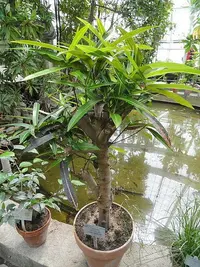
Philodendron Care (Philodendron 'Bloody Mary')

About Philodendron

Philodendron 'Bloody Mary' is a compact, vining aroid grown mainly for its deep red to burgundy stems and dark, glossy foliage. New leaves often emerge reddish and mature to greenish tones, giving the plant a dramatic, layered look on shelves or in hanging containers.

This cultivar comes from cultivated selections of tropical American Philodendron species, which naturally occur in warm, humid forests. It is generally considered manageable for indoor growers, as it adapts well to stable room conditions and bounces back from minor care mistakes.

Philodendron 'Bloody Mary' prefers bright, indirect light, evenly moist but not soggy soil, and good drainage, which makes it easier to care for Philodendron in typical home environments.

Main Plant Requirements

Care Difficulty

Easy Care

Light Preference

Bright Indirect Light

Water Requirements

Moderate Water

Temperature Preference

Tropical / Frost Sensitive

Hardiness Zone

10–12

Soil Texture

Loamy, Peaty, Organic-rich

Soil pH

Acidic (5.5–6.5), Slightly acidic (6.5–7.0)

Soil Drainage

Moist but well-drained

Fertilization

Light (every 4–6 weeks)

Get Personalized Care Plan

Scan your plant to receive care tips personalized for your specific plant

Available on iOS and Android

How to Care for the Philodendron

This cultivar prefers bright, filtered light that mimics dappled forest shade.

  • Provide 6–8 hours of bright, indirect light each day, such as near an east or north-facing window or under sheer curtains with no direct midday sun.
  • Tolerates light morning sun for 1–2 hours, but avoid strong afternoon sun, which can cause leaf scorch, crispy edges, and fading of the deep red tones.
  • In low light, stems stretch and leaf color dulls; move slightly closer to a bright window in winter when days are shorter to maintain compact growth.

Watering should keep the root zone evenly moist but never saturated.

  • Allow the top 2–4 cm of soil to dry before watering, using a finger test rather than a fixed schedule, since temperature, light, and potting mix change drying time.
  • Use a free-draining mix and a container or bed with excellent drainage so excess water can escape, reducing the risk of root rot and sour, musty-smelling soil.
  • In spring and summer, expect more frequent watering, while in fall and winter extend the drying period; drooping, thin leaves indicate thirst, while yellowing, mushy leaves suggest overwatering in Philodendron 'Bloody Mary'.

Stable, warm conditions support steady growth and healthy foliage color.

  • Aim for 65–80°F (18–27°C) for best growth, avoiding sudden swings of more than 10°F (6°C) within a short time to reduce stress on new leaves.
  • Protect the plant from cold; growth slows below 60°F (16°C), tissue damage starts near 50°F (10°C), and frost below 32°F (0°C) can kill stems and roots.
  • In hot spells above 85°F (29°C), increase air movement and shade from intense afternoon sun, since combined heat and high light can cause leaf curl and marginal browning.

This cultivar benefits from moderately high humidity to keep foliage lush and prevent leaf edge damage.

  • Aim for 50–70% humidity, as sustained levels below 40% often lead to brown, crispy leaf tips and slower growth.
  • It tolerates short periods of drier indoor air if soil moisture is stable, but prolonged dryness plus low humidity increases leaf drop risk.
  • Increase humidity with a nearby room humidifier, grouped plants, or a pebble tray, rather than misting, which adds little lasting moisture.

Philodendron 'Bloody Mary' grows best in a loose, airy, organic-rich mix that drains quickly but stays lightly moist.

  • Use a mix of roughly 40% peat or coco coir, 30% fine bark, 20% perlite, and 10% compost to balance moisture retention and aeration.
  • Ensure rapid drainage; water should flow through the pot within seconds, leaving the mix damp but never waterlogged or soupy.
  • Aim for slightly acidic to neutral pH (6.0–7.0), which supports nutrient uptake and reduces the risk of micronutrient deficiencies.
  • Avoid dense garden soil, clay-heavy mixes, or pure compost, which compact easily, restrict roots, and increase the chance of root rot.

This plant is well suited to container growing due to its manageable root system and upright, semi-vining habit.

  • Choose a stable, slightly heavier pot material like ceramic or clay to counterbalance the plant’s top-heavy stems and prevent tipping.
  • Select a pot that is wider than it is deep to give lateral root space while keeping the root zone from staying cold and wet at the bottom.
  • Use a container with multiple drainage holes so excess water exits rapidly, preventing water pockets that encourage root rot in the lower mix.

This hybrid responds well to modest, consistent feeding during the warm growing months.

  • Use a balanced liquid fertilizer (such as 10-10-10 or 20-20-20) diluted to 1/4–1/2 strength for Philodendron indoor care.
  • Feed every 4–6 weeks in spring and summer, only on moist soil to reduce root burn risk.
  • Pause or reduce to 1 light feeding for the whole season in fall and winter, as growth slows.
  • Organic options like dilute compost tea or a light slow-release granule can support steady growth without excess salts.

Pruning helps Philodendron 'Bloody Mary' maintain a compact, bushy form and remove weak tissue.

  • Best time is late winter to early spring, before strong new growth begins.
  • Cut back yellowing, dead, or damaged leaves and any thin, overly long vines that unbalance the plant.
  • Use clean, sharp scissors or pruners; disinfect blades before and after to limit disease spread.
  • Trim just above a node to encourage branching and denser foliage along the stems.

Repotting keeps this plant healthy by refreshing soil and giving roots more space.

  • Plan to repot every 2–3 years, or when roots circle the pot, emerge from drainage holes, or growth slows noticeably.
  • Choose early spring so Philodendron 'Bloody Mary' can recover while conditions favor active root growth.
  • Move into a pot only 2–5 cm wider, using a chunky, free-draining mix with components like bark, perlite, and peat or coco coir.
  • Gently loosen circling roots, remove some old soil, water thoroughly after repotting, then keep in bright, indirect light and slightly drier for 7–10 days.

This cultivar is most commonly propagated from stem cuttings rather than seed.

  • Take 8–12 cm stem cuttings in late spring or summer, each with at least 1 node and a healthy leaf.
  • Remove lower leaves and place the node in water or a moist, airy mix kept at 70–80°F with high humidity.
  • Optional rooting hormone can speed root formation and reduce failure risk.
  • Once roots reach 3–5 cm, pot into a small container and maintain stable warmth and indirect light for steady establishment.

This tropical plant has low cold tolerance and requires indoor conditions in most temperate climates.

  • Bring outdoor containers indoors before temperatures drop below 55°F, as foliage is damaged by brief chills.
  • Keep winter room temperatures around 65–75°F and away from drafts, cold windows, or heat vents.
  • Water less often in winter, allowing the top 2–4 cm of mix to dry, since growth is slower.
  • Maintain moderate humidity (40–60%) and avoid sudden temperature swings to limit leaf drop and stress.

Care Tips

Encourage Bushy Growth

Pinch or cut just above a node on longer vines 1–2 times per year to encourage side shoots and a fuller, compact plant rather than one or two long stems.

Rotate for Even Color

Quarter-turn the pot every 1–2 weeks so all sides receive similar light exposure, which helps maintain even red coloration and prevents lopsided, light-stressed growth.

Support Semi-Vining Stems

Provide a slim moss pole or sturdy stake and loosely tie stems with soft plant ties to keep the plant upright and reduce the risk of stems snapping under the weight of foliage.

Targeted Pest Monitoring

Inspect the undersides of leaves and along petioles during every watering, and at the first sign of pests isolate the plant and use a gentle insecticidal soap or horticultural oil according to label directions.

Seasonal Growth Check

In late winter, remove any weak, pale, or badly stretched stems back to a healthy node to reset structure and direct spring energy into stronger, more colorful new growth when caring for Philodendron.

Common Pests and Diseases

Spider mites

This pest often appears on philodendrons grown in dry indoor air, causing tiny yellow speckling on leaves and fine webbing along stems and undersides. Symptoms include dull, stippled foliage and slow decline if populations build up.

Solution

Rinse foliage thoroughly with a strong, lukewarm water spray, including leaf undersides, then repeat every few days for 1–2 weeks. Increase humidity around the plant, improve air movement, and if mites persist, use insecticidal soap or a horticultural oil labeled for indoor use, applied according to directions on both leaf surfaces.

Mealybugs

These insects hide in leaf axils and along petioles, forming cottony white clusters that feed on sap and excrete sticky honeydew. Symptoms include distorted new growth, sticky leaves, and sometimes sooty mold growing on the residue.

Solution

Isolate the plant, then dab visible mealybugs with cotton swabs dipped in 70% isopropyl alcohol and wipe crevices. Follow with thorough applications of insecticidal soap or neem oil on all plant surfaces every 7–10 days until no new insects appear, and check closely at the base of the petioles where this cultivar tends to shelter pests.

Bacterial leaf spot

This disease produces water-soaked, translucent spots that may turn dark with yellow halos, often starting on lower, older leaves of dense philodendron clumps. Symptoms include irregular lesions that may coalesce, causing portions of the leaf to collapse.

Solution

Remove and discard affected leaves, disinfecting scissors between cuts with 70% alcohol, and avoid overhead watering or splashing water on foliage. Improve air circulation, keep leaves dry, and allow the top of the potting mix to dry slightly between waterings; in severe or recurring cases, dispose of heavily infected plants to protect others nearby.

Erwinia stem and petiole rot

This disease causes rapid soft rot at the petiole bases and lower stems, which can be especially problematic in compact, clustered philodendron cultivars. Symptoms include foul odor, mushy tissue at the crown, and sudden collapse of leaves even when the potting mix does not appear waterlogged.

Solution

At the first signs, remove and discard all soft, affected tissue and any completely collapsed leaves, and avoid splashing water near the crown. Increase airflow, reduce watering frequency, keep the plant on the drier side, and sterilize tools and pots; severely affected specimens are often best discarded to prevent spread to other aroids in the collection.

Thrips

These insects scrape the leaf surface, leading to silvery or bronzed streaks and patches that show particularly clearly on the dark red to burgundy foliage of this cultivar. Symptoms include deformed new leaves and black specks of excrement on leaf surfaces and petioles.

Solution

Shower the plant to remove as many insects as possible, then apply insecticidal soap or a systemic insecticide labeled for indoor ornamental use, targeting both leaf surfaces and petiole bases. Repeat treatments according to label directions, monitor with sticky traps, and quarantine the plant away from other philodendrons to limit spread while managing Philodendron 'Bloody Mary' plant care overall.

Interesting Facts

Unstable leaf coloration

This cultivar shows highly variable foliage, with new leaves emerging deep red to burgundy and gradually maturing to dark green with a lingering red or bronze cast, a trait selected specifically for ornamental impact rather than any known ecological function.

Hybrid origin status

Philodendron 'Bloody Mary' is considered a horticultural hybrid or selected sport whose exact parentage is not formally documented in the scientific literature, which is why it is recognized in cultivation but not described as a separate botanical species.

Compact climbing habit

Unlike many large, sprawling Philodendron hybrids, this plant tends to stay relatively compact while still producing short, vining stems that can be trained on a small support, making it suitable for Philodendron indoor care in limited spaces.

FAQs about Philodendron

Brown, crispy edges usually result from low humidity, underwatering, or fertilizer salts building up in the potting mix. Flush the soil occasionally, maintain moderate humidity, and water thoroughly when needed to prevent tip burn and marginal browning.

Grow Healthy Plants with Botan Care

Keep your plants happy and healthy with plant identification, disease detection, and easy care guidance.

Botan plant care app — identify plants on mobile

Explore More Plants