Araujia brachystephana Care

Araujia brachystephana

About Araujia brachystephana

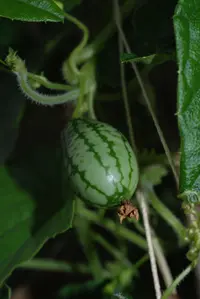
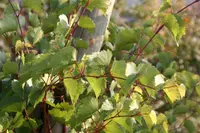
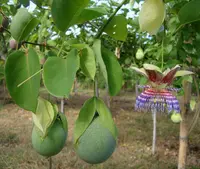
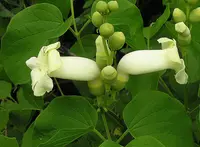
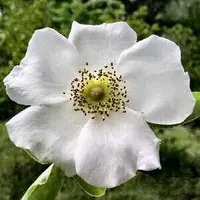
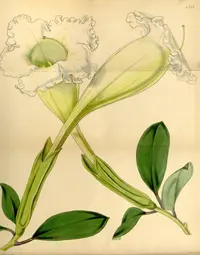
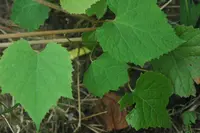
Araujia brachystephana is a vigorous twining vine from South America, related to milkweeds. It produces clusters of white to pale pink, tubular flowers with a light fragrance. The foliage is typically evergreen in mild climates, with narrow, opposite leaves and a dense, scrambling habit that benefits from strong support or training. In suitable conditions it can grow fast and may become quite dominant in the garden. This species prefers moderate warmth, sun to light shade, and well-drained soil, which affects how to care for Araujia brachystephana successfully.

Main Plant Requirements

Care Difficulty

Moderate Care

Light Preference

Full Sun

Water Requirements

Moderate Water

Temperature Preference

Warm Climate

Hardiness Zone

9–11

Soil Texture

Sandy, Loamy, Organic-rich

Soil pH

Slightly acidic (6.5–7.0), Neutral (7.0)

Soil Drainage

Well-drained

Fertilization

Minimal (feed rarely)

Get Personalized Care Plan

Scan your plant to receive care tips personalized for your specific plant

Available on iOS and Android

How to Care for the Araujia brachystephana

This vigorous climber performs best in bright outdoor conditions with moderate protection from intense midday sun.

  • Provide 6–8 hours of sun daily, favoring morning and late-afternoon exposure, with light shade during the strongest midday sun in summer.
  • Tolerates partial shade (around 3–4 hours of direct sun), but flowering and vigor decline if grown in dense shade or under heavy tree cover.
  • In hot climates, use dappled or filtered light from overhead structures to prevent leaf scorch; in cooler regions it can handle nearly full sun.

Watering should balance consistent moisture with very sharp drainage to prevent root problems.

  • Allow the top 3–5 cm of soil to dry before watering, then soak the root zone thoroughly so water penetrates 15–20 cm deep.
  • In active growth and flowering, increase watering frequency, but reduce it in cooler months when growth slows and the soil stays damp longer.
  • Watch for yellowing, soft leaves as a sign of overwatering and crisp, drooping foliage plus dry, shrinking stems as a sign of underwatering.

This species prefers warm, frost-free conditions and copes better with heat than with cold.

  • Optimal growth occurs around 65–80°F (18–27°C), where stems extend quickly and flowering is more reliable.
  • Tolerates short dips to about 32°F (0°C), but foliage may be damaged; hard frost can kill young plants of Araujia brachystephana.
  • In regions with summer highs above 90°F (32°C), provide mulch and some afternoon shade to limit heat stress and leaf scorch.

This vine handles typical indoor humidity but grows best with slightly moist air.

  • Aim for 40–60% humidity, which is usually achievable in most homes without special equipment.
  • Dry air can cause curled leaf edges and slower growth; monitor foliage in heated or air-conditioned rooms.
  • Increase humidity locally by grouping plants, placing the pot on a pebble tray with water below the base, or using a small room humidifier.

Araujia brachystephana prefers a loose, well-draining, moderately fertile substrate.

  • Use a mix of roughly 50% all-purpose potting mix, 25% coarse perlite, and 25% fine bark or gritty sand for structure and drainage.
  • Aim for slightly acidic to neutral pH around 6.0–7.0, avoiding strongly alkaline substrates that can lock up nutrients.
  • Ensure the mix feels airy, not compacted; coarse particles keep oxygen around the roots and reduce rot risk.
  • Avoid heavy clay-based mixes or those that stay wet longer than 2–3 days after watering, especially in cooler conditions.

This species is suitable for container growing when given enough support and root space.

  • Choose a deep, stable pot that will not tip when the vine climbs or when a trellis is attached.
  • Select a slightly heavier material, such as ceramic, if wind or outdoor placement could destabilize the plant.
  • Ensure wide, unobstructed drainage holes so excess water exits quickly and the lower root zone does not remain waterlogged.

This vigorous vine responds well to modest, balanced feeding during active growth.

  • Apply a balanced liquid fertilizer (e.g., 10-10-10) diluted to 1/2 strength every 4–6 weeks in spring and summer.
  • Use a light top-dressing of compost once in spring to support soil life and structure.
  • Pause feeding in late fall and winter when Araujia brachystephana growth slows.
  • Avoid heavy or frequent applications that cause lush, weak shoots and salt buildup in containers.

Pruning helps contain this twining climber and maintains safe, manageable growth.

  • Carry out main pruning in late winter or early spring before strong new growth starts.
  • Remove dead, damaged, or crossing stems first, then thin congested areas to improve light and airflow.
  • Shorten overly long vines to control spread and keep the plant on its support structure.
  • Use clean, sharp bypass pruners and make cuts just above a healthy bud or side shoot.

This vine is often grown in the ground but can be maintained in large containers with thoughtful transplanting.

  • Look for roots circling the pot base, slow growth, or rapid drying soil as signs it needs a larger container.
  • Plan repotting or outdoor transplanting in spring, when temperatures are mild and new growth begins.
  • Move up 1 pot size every 2–3 years, using a free-draining mix and a sturdy support structure.
  • Water well before and after moving, keep roots shaded, and avoid breaking the root ball to limit stress.

Propagation of Araujia brachystephana is usually done from seeds or semi-ripe cuttings.

  • Sow fresh seeds in spring in a warm (68–75°F), bright place using a light, well-drained seed mix.
  • Lightly cover seeds, keep the medium just moist, and provide good air circulation to reduce damping-off disease.
  • Take semi-ripe stem cuttings in late spring or summer, 8–10 cm long with 2–3 nodes.
  • Insert cuttings in moist, free-draining medium, maintain high humidity, and provide bright, indirect light for rooting.

This vine prefers mild climates and may need protection in colder regions.

  • In USDA zones below 9, grow in containers and overwinter indoors in a bright, cool room above 45°F.
  • In the ground, apply a 5–8 cm mulch layer over the root zone in late fall, keeping mulch off stems.
  • Reduce watering in winter so soil stays slightly moist, not saturated, especially in cool conditions.

Care Tips

Provide sturdy support

Install a strong trellis, wire panel, or tensioned cable system before planting, as this vigorous twiner quickly becomes heavy and is easier to manage when the support is in place from the start.

Train young vines

As new shoots emerge in spring, gently spiral them around the chosen support and secure with soft ties every 20–30 cm to create an even, flat coverage and prevent tangled, unmanageable growth later.

Control spread by thinning

Once or twice a year, remove entire excess stems at the base rather than just shortening tips, which keeps the plant within bounds and directs energy into a manageable framework of main vines.

Manage pod production

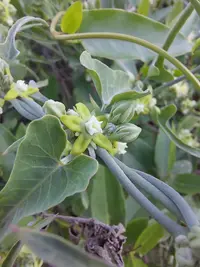
Inspect the plant regularly during flowering and early pod set, and remove most developing seed pods to reduce self-seeding and keep the plant’s energy focused on vegetative growth instead of heavy seed loads when growing Araujia brachystephana.

Monitor for sap pests

Check the undersides of leaves and young stems every 1–2 weeks for aphids, mealybugs, and scale, and treat early with a targeted product such as horticultural soap or oil before infestations damage new growth.

Common Pests and Diseases

Milkweed bugs

These insects feed on seeds, pods, and young stems, often clustering on the seed pods and flower clusters of this vine. Symptoms include distorted pods, reduced seed viability, and cosmetic damage to flowers and foliage.

Solution

Hand-pick and remove clusters into soapy water, and prune off heavily infested pods before seeds mature. Encourage natural predators, avoid broad-spectrum insecticides that harm beneficial insects, and use a targeted contact spray based on insecticidal soap if populations remain high.

Milkweed aphids

This pest forms dense colonies on tender shoots and flower stems, sucking sap and excreting sticky honeydew. Symptoms include curled or stunted new growth, sticky leaves, and sooty mold developing on the honeydew.

Solution

Rinse colonies off with a firm stream of water, repeating every few days, and pinch back heavily infested shoot tips. If needed, apply insecticidal soap or a horticultural oil, ensuring thorough coverage of stems and leaf undersides, and reduce excess nitrogen fertilization that drives soft, aphid-prone growth while caring for Araujia brachystephana.

Spider mites

These pests thrive on sun-exposed vines in hot, dry conditions and are often first noticed as fine stippling on leaves. Symptoms include pale, speckled foliage, fine webbing along stems, and eventual leaf yellowing and drop.

Solution

Increase humidity around the plant and hose down foliage regularly, focusing on the undersides of leaves to dislodge mites. For persistent infestations, use a miticidal horticultural oil or insecticidal soap applied in the early morning or late afternoon, repeating according to label directions and improving airflow to reduce heat stress.

Powdery mildew

This disease appears as pale white or gray powdery patches on leaves, stems, and sometimes flower buds, especially in warm days with cooler, humid nights. Symptoms include dull, discolored foliage that may twist, yellow, and eventually drop prematurely.

Solution

Remove and discard affected leaves and any dense, tangled stems to improve air circulation around the vine. Avoid overhead watering, keep the foliage as dry as possible, and apply a suitable fungicide such as sulfur or a potassium bicarbonate product at the first sign of infection, repeating as needed under continued favorable conditions.

Leaf spot

This disease causes small water-soaked or brown spots on leaves that can enlarge and merge, leading to partial blight of the foliage. Symptoms include irregular necrotic patches, yellow halos around spots, and early leaf drop on stressed vines.

Solution

Prune out and dispose of infected leaves and any fallen debris around the plant, and ensure the vine has adequate spacing and airflow. Water at the base rather than over foliage, and when necessary apply a broad-spectrum fungicide labeled for foliar leaf spots, starting early in the season when conditions are consistently warm and moist.

Interesting Facts

Latex and seed floss

This species produces a white, milky latex and pods filled with silky seed hairs that aid long-distance wind dispersal, helping the vine colonize disturbed or open habitats.

Specialized flower structure

Its tubular, pale flowers have a narrow throat and internal corona structures that guide visiting insects so that pollen is attached to specific body parts, increasing the chance of cross-pollination.

Climbing growth habit

As a twining climber, it winds its flexible stems around nearby supports, allowing the plant to reach full sun at the top of shrubs or fences while keeping its roots shaded in cooler soil.

FAQs about Araujia brachystephana

This species can spread vigorously by fast-growing vines and seed pods, especially in mild climates. It may smother nearby plants if unmanaged. Regular pruning and removal of seed pods help limit spread and prevent self-seeding.

Grow Healthy Plants with Botan Care

Keep your plants happy and healthy with plant identification, disease detection, and easy care guidance.

Botan plant care app — identify plants on mobile

Explore More Plants