




Clematis (Clematis 'Jackmanii') Light Needs

Clematis grows best in full sun, with 6–8 hours of bright exposure and several hours of direct sun.

Light Preference

Full Sun

Clematis 'Jackmanii' Light Requirements

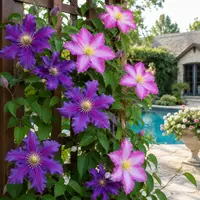
Clematis 'Jackmanii' is a cultivated large-flowered vine, so its light guidance comes more from garden performance than from a single wild habitat. In landscapes, it performs like a sun-loving edge climber, growing upward into open light while lower stems may be shaded by surrounding growth.

This pattern explains why strong top growth and flower production depend on open exposure. Preferred light is full sun.

  • Ideal exposure:

    Clematis 'Jackmanii' needs about 6–8 hours of full sun daily, with 6 or more hours of direct sun for strongest flowering.

  • Direct sun:

    Mature, acclimated vines tolerate full sun, especially with morning and midday exposure in mild to warm conditions.

  • Afternoon heat:

    In very hot sites, harsh late-afternoon sun can fade flowers and scorch exposed leaves.

  • Part sun:

    A site with 4–6 hours of direct sun is tolerated, but flowering is usually lighter.

  • Shade limits blooms:

    Dense shade is not suitable because growth becomes thin and flower buds are reduced.

Strong sun is usually tolerated, but heat and sudden exposure can cause stress.

Bleached patches:

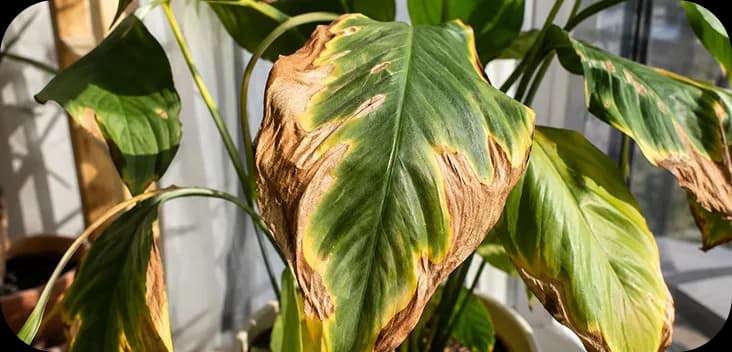
Pale tan or whitish areas may appear on leaves facing the strongest afternoon sun.

Crisp exposed leaflets:

Outer leaflets can dry or look papery where light and heat are most intense.

Faded flowers:

Purple flowers may fade faster when Clematis 'Jackmanii' is exposed to long, hot afternoon sun.

Midday flagging:

Leaves may droop during intense sun, especially if the plant was recently moved into a brighter site.

Shift the vine to a spot with morning sun and lighter afternoon shade, or add temporary shade during the hottest part of the day. Increase brighter exposure gradually after pruning, transplanting, or a site change.

Low light mainly shows up as weak growth and fewer flowers. Shade is not a good long-term setting.

  • Sparse vines:

    New stems may stretch with longer gaps between leaf pairs as they search for brighter exposure.

  • Leaning growth:

    Shoots may grow strongly toward the brightest side of a fence, trellis, or open sky.

  • Few flowers:

    Clematis 'Jackmanii' may make healthy-looking leaves but produce fewer buds when direct sun is limited.

  • Small new leaves:

    Fresh growth can stay smaller and thinner during the active season in shaded sites.

Move or train the vine into a brighter position with several hours of direct sun. Avoid dense shade, even if the foliage remains green.

When full sun is not available, choose the brightest outdoor site with 4–6 hours of direct morning or late-day sun. This is a workable compromise, but flowering may be lighter than in 6–8 hours.

Train stems toward open light and thin nearby growth that casts shade over the top of the vine. Add temporary afternoon shade only where hot sun is causing scorch.

Dense shade is unsuitable because it encourages thin growth and fewer flowers.

Get Personalized Care Plan

Scan your plant to receive care tips personalized for your specific plant

FAQ

This plant grows best in full sun, usually about 6–8 hours of bright outdoor exposure daily. Strong flowering depends on several hours of direct sun.

Everything About Clematis

More Plant Light Guides

Get the Botan App

Discover how to care for your plants with Botan.

Botan app identifying a plant with a phone camera
What Do Plants Need to Grow – 5 Things Every Greenery Can't Live Without

8 min read · 31 Jul 2026

What Do Plants Need to Grow – 5 Things Every Greenery Can't Live Without

To keep plants healthy and thriving, provide the right balance of light, humidity, nutrients, airflow, and quality soil. This guide covers the essentials of year-round plant care.

Beginner Guides
What Do Plants Need to Grow – 5 Things Every Greenery Can't Live Without
How to Winterize Your Garden in 6 Steps

5 min read · 28 Sept 2026

How to Winterize Your Garden in 6 Steps

Learn how to prepare your garden for winter with a practical six-step checklist covering cleanup, tender plant care, watering, mulching, winter protection, and winterizing equipment and containers.

Plant Care
How to Winterize Your Garden in 6 Steps
Is Sugar Water Good for Plants?

4 min read · 14 Sept 2026

Is Sugar Water Good for Plants?

Sugar water may sound like an easy boost, but most rooted plants do not need extra sucrose. This guide explains how green tissues produce carbohydrates, when a sweetened solution can be useful, and why too much can cause problems.

Plant Care
Is Sugar Water Good for Plants?