Devil's Tongue Barrel Cactus Care (Ferocactus latispinus)

Devil's Tongue Barrel Cactus

About Devil's Tongue Barrel Cactus

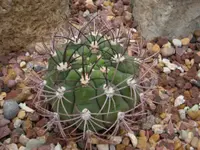
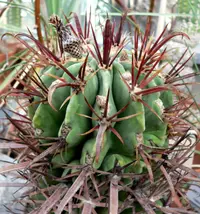
Devil's tongue barrel cactus (Ferocactus latispinus) is a compact, slow-growing desert cactus with a rounded, ribbed body and striking, flat, hooked spines. Mature plants may form a squat barrel shape that stays relatively low but becomes quite broad over time.

This species is native to arid regions of central and southern Mexico, where it grows in rocky, well-drained soils under strong sun. It is considered an easy plant for those who understand desert conditions, but overwatering and poor drainage quickly cause problems.

It prefers bright light, minimal moisture, and gritty soil, so learning how to care for Devil's Tongue Barrel Cactus mostly involves avoiding excess water and cold, damp conditions.

Main Plant Requirements

Care Difficulty

Moderate Care

Light Preference

Full Sun

Water Requirements

Low Water

Temperature Preference

Tropical / Frost Sensitive

Hardiness Zone

9–11

Soil Texture

Sandy, Loamy, Rocky

Soil pH

Slightly acidic (6.5–7.0), Neutral (7.0)

Soil Drainage

Well-drained

Fertilization

Minimal (feed rarely)

Get Personalized Care Plan

Scan your plant to receive care tips personalized for your specific plant

Available on iOS and Android

How to Care for the Devil's Tongue Barrel Cactus

This cactus thrives in strong light and benefits from consistent sun exposure.

  • Provide 6–8 hours of direct sun daily; full morning sun with light afternoon shade suits Devil's Tongue Barrel Cactus in hot, arid regions.
  • In very intense summer sun, protect from harsh mid‑afternoon rays to prevent epidermis scorching or bleaching, especially in young plants.
  • Outdoors, choose an open, south- or west-facing site; in cooler seasons ensure it still receives at least 4–5 hours of direct sun to maintain compact growth.

Ferocactus latispinus prefers infrequent, deep watering with thorough drying between waterings.

  • Water only when the top 3–5 cm of soil are completely dry; in hot active growth, this may mean roughly every 10–21 days depending on climate and soil.
  • Use sharply draining, gritty soil so water runs through quickly; standing water or heavy clay strongly increases root-rot risk.
  • Reduce watering drastically in autumn and winter, giving just enough to prevent shriveling; soft, yellowing tissues or a sour smell indicate overwatering, while pronounced rib shrinking signals underwatering.

This species prefers warm, dry conditions with good tolerance of summer heat if kept relatively dry.

  • Aim for 70–90°F (21–32°C) during active growth; short peaks up to 100°F (38°C) are tolerated if the soil is well-drained and not constantly wet.
  • Protect from frost; sustained exposure below 32°F (0°C) can damage tissue, and growth slows noticeably under 50°F (10°C).
  • In winter, a cool, dry rest at 45–55°F (7–13°C) is beneficial, but avoid sudden temperature swings and cold drafts that can stress the plant.

This cactus thrives in dry indoor air and rarely needs extra humidity.

  • Target 30–40% humidity, which matches typical heated or air-conditioned homes.
  • Dry air is well tolerated; avoid placing Devil's Tongue Barrel Cactus near humidifiers or kitchens that stay above 60%.
  • Watch for soft, pale, or splitting tissue as a sign of prolonged excess humidity combined with poor air movement.

Use a very fast-draining, mineral-heavy mix to prevent root rot.

  • Choose a sandy, gritty texture with large pores so water drains in seconds, not minutes.
  • Mix roughly 60–70% inorganic materials (pumice, coarse perlite, lava rock, coarse sand) with 30–40% low-peat cactus substrate.
  • Aim for slightly acidic to neutral pH around 6.0–7.0 for Ferocactus latispinus, which supports nutrient uptake without salt buildup.
  • Avoid dense, peat-heavy or clay soils that stay wet, and never allow fine particles to clog drainage holes.

This species is well suited to container growing when the pot is chosen to manage moisture and weight.

  • Select a wide, heavy pot that resists tipping as the barrel becomes taller and more top-heavy.
  • Use unglazed clay to allow faster evaporation from the sides if overwatering is a concern.
  • Leave a small dry gap at the rim by not overfilling the pot, so water does not pool against the stem base.

This cactus benefits from light, controlled feeding during the warm growing season but remains sensitive to excess nutrients.

  • Use a diluted balanced liquid fertilizer (such as 10-10-10) at 1/4–1/2 strength for caring for Devil's Tongue Barrel Cactus in containers.
  • Apply every 4–6 weeks from late spring to late summer only when the plant is actively growing.
  • Avoid organic composts that stay wet; choose mineral, low-organic cactus soil instead.
  • Stop feeding completely in fall and winter to maintain a dry, cool dormancy and prevent weak, etiolated growth.

Ferocactus latispinus needs almost no structural pruning, only basic cleanup for plant health and safety.

  • Perform any pruning at the start of the warm, dry season to reduce infection risk at cut surfaces.
  • Remove only dead, shriveled, damaged, or diseased tissue and offsets that are clearly failing.
  • Use long tongs and sterile, sharp scissors or a knife to avoid injury from spines and limit tissue tearing.
  • Minimal pruning helps maintain the natural barrel form and supports normal flowering at the stem apex.

Repotting is infrequent but important to maintain a stable, well-drained root environment for this slow-growing cactus.

  • Plan to repot every 3–5 years, or when roots circle the pot, growth slows, or water drains very slowly.
  • Choose late spring as the safest time, when Ferocactus latispinus is ready to resume active growth.
  • Wear thick gloves, use tongs or folded newspaper to handle the plant, and knock off only loose soil from roots.
  • Place into a slightly wider, heavy pot with fresh, gritty cactus mix; keep roots dry for 7–10 days before light watering to reduce stress.

Propagation of Ferocactus latispinus is usually done from seed and is considered slow but reliable under stable conditions.

  • Sow fresh seeds in late spring or early summer in a sterile, very well-drained cactus mix.
  • Press seeds onto the surface and barely cover; maintain 70–80°F, bright indirect light, and consistently slight moisture.
  • Use a humidity dome or clear cover with small vents for airflow to limit fungal problems while retaining moisture.
  • Expect germination in several weeks; gradually reduce humidity, increase light, and avoid overwatering as seedlings develop.

Winter care focuses on keeping this cactus cold but dry, with roots and stems protected from severe freezing.

  • Ferocactus latispinus tolerates brief drops near 25–28°F if perfectly dry but is safer kept above 32°F.
  • Move containers indoors or into a bright, unheated room or greenhouse before hard frost risk.
  • Provide as much light as possible and stop watering almost completely, only preventing extreme shriveling.
  • Outdoors in mild climates, use a deep gravel mulch and overhead cover to keep the root zone dry in winter rains.

Care Tips

Rotate For Symmetry

Turn the pot 90° every 2–3 weeks during active growth so the plant receives even light on all sides and develops a balanced, compact dome instead of leaning toward the brightest direction.

Gradual Sun Hardening

When moving the plant from indoor light or shade to stronger outdoor sun, increase exposure by 1–2 hours every few days over 2–3 weeks to prevent corky, permanent sunburn on the ribs.

Controlled Winter Rest

From late fall to early spring, keep the plant in a bright, cool, very dry spot and water only enough to prevent severe shriveling, which supports flower bud formation and long-term vigor.

Secure Pot Weighting

If the plant is top-heavy, add a surface layer of coarse gravel or use a clay pot with a wider base to reduce the risk of tipping and root disturbance if the container is bumped.

Inspect Spines Safely

Use long tweezers or tongs to remove debris and check between ribs for scale insects or mealybugs every month, since spines can hide early infestations that weaken the plant over time when growing Devil's Tongue Barrel Cactus.

Common Pests and Diseases

Mealybugs

This pest hides in areole wool and rib crevices, sucking sap and causing yellowing and stunted growth. Symptoms include cottony white clusters around the base, on ribs, and near the root neck.

Solution

Isolate the plant, then dab visible insects with cotton swabs soaked in 70% isopropyl alcohol and repeat weekly until no new clusters appear. For heavier infestations, use a systemic insecticide labeled for cacti and improve light and air movement to discourage reinfestation as part of Ferocactus latispinus care instructions.

Red spider mites

These insects thrive in hot, very dry conditions and feed on epidermal cells, leaving the cactus skin dull, bronzed, or finely speckled. Symptoms include fine webbing in spine clusters and a rough, sandblasted appearance on sun-facing sides.

Solution

Rinse the plant thoroughly under a strong but controlled stream of water, especially in spine and rib junctions, and repeat several times over 1–2 weeks. If mites persist, apply a targeted miticide or insecticidal soap labeled for succulents and slightly raise humidity while maintaining strong airflow to reduce mite pressure.

Scale insects

This pest appears as small, hard, brown to gray bumps on ribs and at the plant base, causing localized yellowing and weakened growth. These insects adhere strongly to the skin and may be overlooked as part of the cactus surface.

Solution

Gently scrape or pry off individual scales with a toothpick or soft brush, then wipe affected areas with diluted alcohol to remove residues. For larger outbreaks, apply a systemic insecticide and monitor new growth regularly, removing any new scales promptly.

Fusarium stem rot

This disease often enters through wounds or old areoles, causing internal reddish-brown rot that may show as sunken, discolored patches on the stem. Symptoms include soft tissue, collapse of ribs, and sometimes a pink or white fungal growth at damaged points.

Solution

Cut out affected tissue with a sterile knife well into healthy, firm tissue, allow the wound to dry and callus in bright, dry conditions, and discard heavily affected plants. Avoid overhead watering, keep the substrate fast-draining and mineral-rich, and disinfect tools and pots to prevent reinfection.

Corky scab lesions

Symptoms include rough, brown, corky patches on the lower ribs or on sun-exposed sides, often following minor mechanical damage, insect feeding, or abrupt changes in moisture. This disorder is usually cosmetic but can predispose the plant to secondary fungal infections if cracks remain fresh and deep.

Solution

Keep affected areas dry and clean, and avoid wetting the stem when watering so the corky tissue can harden and seal. Adjust watering to a steady, moderate schedule with a very open, gritty mix and protect the plant from sudden intense sun after low-light periods to reduce new lesion formation.

Interesting Facts

Distinctive purple spines

Mature plants often develop broad, strongly flattened central spines that turn deep purple to reddish in bright light, which helps protect the stem from intense solar radiation in its native Mexican habitats.

Autumn-blooming cactus

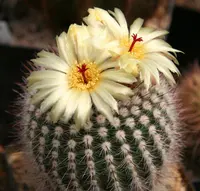
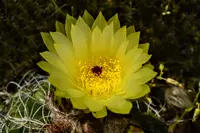
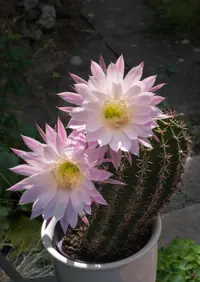
Unlike many desert cacti that flower in spring, this species typically produces its funnel-shaped pink to purple flowers in late autumn to early winter, often after summer heat has passed.

Rainwater funneling ribs

The sharply defined ribs and deep grooves direct scarce rainwater down toward the base of the plant, an adaptation that helps maximize water capture in arid regions.

Botan icon

Did you know?

In parts of central Mexico, the hooked spines of this cactus have traditionally been used as natural needles or small hooks for tasks such as fastening or threading, taking advantage of their strength and sharply curved tips.

FAQs about Devil's Tongue Barrel Cactus

Lack of flowers usually comes from insufficient light, a pot that is too large, or the plant being too young. Cool, dry winter rest and strong light in the growing season are important triggers for bud formation.

Grow Healthy Plants with Botan Care

Keep your plants happy and healthy with plant identification, disease detection, and easy care guidance.

Botan plant care app — identify plants on mobile

Explore More Plants