Cutback rotation
Every 2–3 years, cut back one-third of the oldest stems at the base in late winter to keep the clump vigorous and prevent it from becoming woody and sparse in the center.

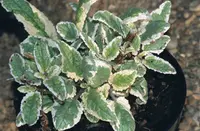
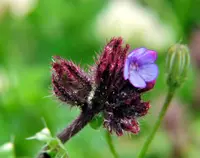
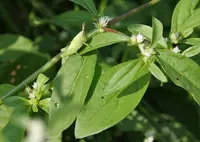
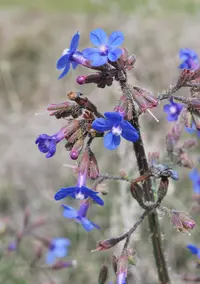
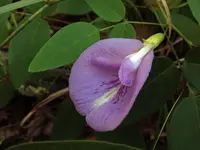
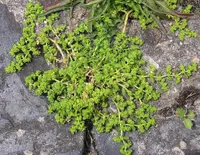
Scrophularia variegata is a perennial herb from the figwort family, typically forming upright clumps with square stems and small, tubular flowers. Its foliage is often slightly toothed and may show subtle color variation, giving the plant a textured, informal look in mixed borders or naturalistic plantings.
This species is native to parts of Eurasia, where it grows in open, moderately moist habitats such as meadows and light woodland edges. It is generally undemanding if given well-drained soil and consistent moisture, which makes it relatively straightforward for gardeners who want to learn how to care for Scrophularia variegata.
Once established, it tends to be resilient and can adapt to a range of temperate garden conditions, especially in sites with partial sun and average garden soil.

Care Difficulty
Moderate Care

Light Preference
Partial Sun

Water Requirements
Moderate Water

Temperature Preference
Cool Climate

Hardiness Zone
Unknown

Soil Texture
Loamy, Sandy, Organic-rich

Soil pH
Slightly acidic (6.5–7.0), Neutral (7.0)

Soil Drainage
Moist but well-drained

Fertilization
Minimal (feed rarely)
Scan your plant to receive care tips personalized for your specific plant
Available on iOS and Android
This perennial prefers moderate sun exposure that avoids harsh midday intensity.
This species prefers evenly moist but not saturated soil throughout the growing season.
This hardy perennial tolerates a broad temperature range but grows best in cool to mild conditions.
This species handles a wide humidity range and usually does not need special humidity control outdoors.
Scrophularia variegata prefers moderately fertile, loose soil that drains freely but does not dry out too fast.
This species can grow in containers if the pot supports its spreading root system and prevents waterlogging.
This hardy perennial usually manages in average garden soil but benefits from light feeding in poor or very sandy ground.
Pruning keeps this upright perennial tidy and encourages healthier, longer-lived clumps.
This species is more often grown in beds than in containers, so focus on dividing and transplanting outdoor clumps.
Gardeners most often increase this plant through division or seeds, depending on the desired genetic uniformity.
This perennial is generally cold hardy in temperate climates and needs only modest winter preparation once established.

Plant Health Check
Not sure what's wrong with your plant? Check your plant's health inside the app.
The name variegata has been linked in older literature to plants from limited localities in parts of Eurasia, but modern floras and taxonomic databases often treat it as a doubtful or poorly defined taxon, so its exact natural range is still unresolved in current botanic references.
Several authors consider this name a synonym or misapplied name within the Scrophularia genus, reflecting the ongoing difficulty in interpreting historic herbarium material and original species descriptions.
This species is a good nectar source and often attracts bees, hoverflies, and some butterflies. Its small tubular flowers are accessible to many beneficial insects, making it a useful addition to wildlife-friendly or low-chemical gardens.
Keep your plants happy and healthy with plant identification, disease detection, and easy care guidance.