Echeveria quitensis Care

Echeveria quitensis

About Echeveria quitensis

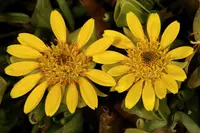
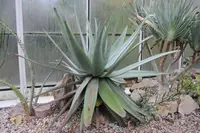
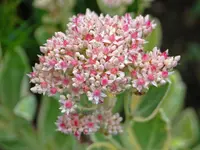
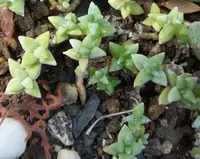
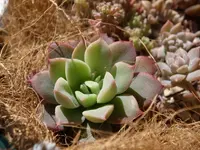
Echeveria quitensis is a compact rosette-forming succulent from highland regions of Ecuador. It stores water in thick, fleshy leaves and stays relatively low and neat. Leaf color often ranges from blue-green to gray-green, sometimes with pink tones on the edges in stronger light. The rosettes may produce short flower stalks with small, tubular blooms. This species is adapted to bright, dry conditions with strong light and well-drained, gritty soil. Its slow, orderly growth and drought tolerance make it manageable for beginners who want to learn how to care for Echeveria quitensis without complex routines.

Main Plant Requirements

Care Difficulty

Easy Care

Light Preference

Full Sun

Water Requirements

Low Water

Temperature Preference

Tropical / Frost Sensitive

Hardiness Zone

10–12

Soil Texture

Sandy, Loamy, Rocky

Soil pH

Slightly acidic (6.5–7.0), Neutral (7.0)

Soil Drainage

Well-drained

Fertilization

Minimal (feed rarely)

Get Personalized Care Plan

Scan your plant to receive care tips personalized for your specific plant

Available on iOS and Android

How to Care for the Echeveria quitensis

This compact Andean succulent needs bright, mostly direct light to maintain compact rosettes and strong color.

  • Provide 4–6 hours of direct morning sun plus bright light the rest of the day; east or southeast exposure is ideal for Echeveria quitensis.
  • In hot, dry climates, give light afternoon shade or filtered light after 1–2 pm to prevent leaf scorch and bleached patches.
  • Watch for stretching, pale leaves, and loose rosettes as signs of insufficient light, especially in winter when sun is lower and days are shorter.

This species prefers thorough but infrequent watering that allows the root zone to dry between soakings.

  • Water only when the top 2–4 cm of soil are completely dry, using the soak-and-drain method so excess water runs freely from the root zone.
  • Reduce watering sharply in winter, especially below 60°F (16°C), and avoid wet soil for more than 2–3 days to limit root rot risk.
  • Signs of overwatering include mushy, translucent leaves and a sulfur smell from the soil; underwatering causes crisp, wrinkled lower leaves that detach easily.

This highland succulent prefers mild, stable temperatures and is sensitive to hard frost and extreme heat.

  • Aim for 65–80°F (18–27°C) for active growth, with cooler nights around 55–65°F (13–18°C) to mimic natural conditions.
  • Protect from frost; sustained exposure below 32°F (0°C) damages tissues, and growth slows markedly under 50°F (10°C).
  • During heat waves above 90°F (32°C), give light shade, ensure moving air, and avoid watering onto hot leaves to reduce stress and sunburn risk.

This species prefers dry indoor air and does not need extra humidity.

  • Aim for 30–50% relative humidity, similar to most heated or air-conditioned homes.
  • Dry air is well tolerated; avoid humidifiers or grouping many plants tightly around it.
  • High humidity can encourage leaf rot; improve air movement if leaves stay damp for several hours.

Use a very fast-draining, gritty mix to protect the roots from excess moisture.

  • Choose a sandy, mineral-rich mix with coarse particles that feels loose and never compacted.
  • Combine about 50–70% succulent/cactus mix with added pumice, perlite, or coarse sand for sharper drainage.
  • Keep pH slightly acidic to neutral (around 6.0–7.0), avoiding highly alkaline or salty substrates.
  • Avoid heavy loam, peat-heavy bags, or any mix that stays wet longer than 2–3 days after watering.

This species is very suitable for container growing.

  • Select a shallow but wide pot so the rosette has space to spread while the limited depth helps the mix dry faster.
  • Use unglazed terracotta if extra evaporation is needed in cool or low-light positions to reduce moisture retention.
  • Ensure the pot is heavy or wide-based enough that the rosette weight does not tip it when the mix becomes very dry.

Light feeding supports compact rosettes and steady growth in Echeveria quitensis grown in pots.

  • Use a diluted balanced liquid fertilizer (around 10-10-10 or 20-20-20 at 1/4 strength) for succulents.
  • Feed every 4–6 weeks during spring and summer when growth is active.
  • Avoid organic compost-heavy mixes that stay wet; use mineral, low-nitrogen products instead.
  • Stop feeding in fall and winter, or reduce to 1 very light application if growth continues indoors.

Pruning is mainly cosmetic and helps keep Echeveria quitensis clean and well shaped.

  • In late winter or early spring, remove dried lower leaves by gently pulling them off at the base.
  • Snip off dead or damaged flower stalks with clean, sharp scissors or pruning snips.
  • Thin crowded offsets if rosettes shade each other, improving light, airflow, and symmetry.
  • Disinfect tools before use to lower the risk of fungal or bacterial infections.

Repotting maintains healthy roots and a stable, well-drained environment for Echeveria quitensis.

  • Repot every 2–3 years, or when roots circle the pot, emerge from drainage holes, or growth slows.
  • Choose late spring as the preferred time, when active growth helps the plant recover faster.
  • Use a shallow pot with drainage and a gritty succulent mix; avoid oversized containers.
  • Loosen circling roots gently, keep them mostly intact, and water lightly after repotting to limit stress.

Propagation is commonly done to expand a collection or rejuvenate older plants of Echeveria quitensis.

  • Take healthy leaf cuttings or offsets in spring or early summer for best success.
  • Allow leaves or stem pieces to callus for 1–3 days before placing on a dry, gritty mix.
  • Keep in bright, indirect light with minimal watering until roots and tiny rosettes appear.
  • Sow seeds on the surface of sterile, sandy mix, keeping slightly moist and warm at 70–75°F.

Winter care focuses on preventing cold and excess moisture damage in Echeveria quitensis.

  • Keep temperatures above 40°F; prolonged exposure near freezing can scar or kill tissue.
  • Move containers indoors to a bright, cool, dry spot before first hard frost.
  • Water sparingly, allowing soil to dry completely, since cold, wet roots rot quickly.
  • In mild climates, use a gravel mulch around the crown to improve drainage and keep leaves dry.

Care Tips

Encourage Compact Rosettes

Rotate the pot 1–2 times per week so light hits all sides evenly, which keeps the rosette symmetrical and prevents lopsided, stretched growth.

Protect Lower Leaves

When removing dried lower leaves, gently twist them off instead of cutting, and stop if green tissue resists to avoid damaging the stem and future rooting points.

Summer Rain Management

If kept outdoors in warm months, place the container where it is shielded from prolonged heavy rain to prevent water sitting in the rosette, which can trigger crown rot.

Dry-Start Repotting

Repot only when the soil is completely dry, then wait 3–5 days before watering to let any minor root damage callus and reduce the risk of rot.

Offset Division Timing

Separate offsets only in warm, bright seasons and allow the cut or broken surfaces to dry for 2–3 days before potting, which improves establishment when growing Echeveria quitensis.

Common Pests and Diseases

Mealybugs

This pest often hides in leaf axils and between tightly packed rosettes, feeding on sap and causing distorted, weakened growth. Symptoms include white cottony clusters and sticky honeydew that can lead to sooty mold on the leaves.

Solution

Isolate the plant, then remove visible insects with a cotton swab dipped in 70% isopropyl alcohol and gently wipe along the leaf bases and between rosette layers. For repeated infestations, use several applications of a ready-to-use insecticidal soap or neem oil spray, keeping the plant in bright, dry conditions to discourage reinfestation.

Aphids

These insects are attracted to tender new growth and flower stalks, sucking plant sap and causing curling, yellowing, and stunted leaves. Honeydew deposits may appear on the rosette, sometimes followed by black sooty mold.

Solution

Rinse off colonies with a firm stream of water, aiming at flower stems and inner rosettes without damaging the leaves. If needed, follow up with an insecticidal soap spray every 5–7 days until no new aphids appear, and avoid excessive nitrogen fertilization that promotes soft, aphid-prone growth.

Soft scale

This pest appears as small, tan to brown raised bumps on leaves and stems, especially along the lower rosette and flower stalks. This pest feeds on sap, weakens the plant over time, and produces honeydew that can attract ants and secondary fungi.

Solution

Manually scrape or wipe off individual scales with a fingernail or soft brush dipped in 70% isopropyl alcohol, paying attention to the underside of leaves. For heavier infestations, apply horticultural oil or neem oil thoroughly to coat stems and leaf bases, repeating after 7–10 days to catch any newly emerged crawlers.

Powdery mildew

This disease shows up as white, dusty patches on leaves, especially when Echeveria is kept in humid, still air with insufficient light. Symptoms include dull, blotchy foliage and slowed growth, and severe cases may cause leaf drop from the lower rosette.

Solution

Improve air movement and increase light, avoiding overhead watering, and remove badly affected leaves to reduce spore load. Treat remaining foliage with a sulfur-based fungicide or potassium bicarbonate spray labeled for ornamentals, applying in the evening and repeating as directed until new growth appears clean.

Bacterial soft rot

This disease causes water-soaked, mushy areas at the base of leaves or the rosette center, often with a foul odor, and it progresses rapidly in warm, wet conditions. Symptoms include collapsing leaves that detach easily from the stem and a general rosette meltdown if not addressed quickly.

Solution

Immediately remove and discard all affected tissue and any detached, mushy leaves, then allow remaining healthy parts to dry in a warm, airy spot with no watering for several days. If a firm, healthy section of the rosette or stem remains, cut it above the rot with a sterile tool, let the cut surface callus for 3–5 days, and then re-root in a dry, gritty succulent mix as part of careful Echeveria quitensis plant care.

Interesting Facts

Ecuadorian highland native

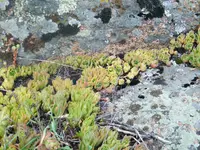
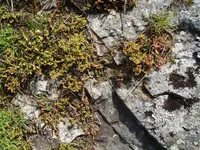
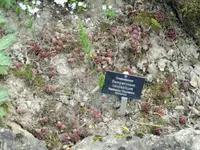
This species occurs naturally in the Andean regions of Ecuador, where it grows on rocky slopes and open, seasonally dry habitats at higher elevations with strong light and good air movement.

Variable leaf coloration

Plants can show a range of leaf colors from blue‑green to more reddish or pink tones along the margins, especially when exposed to strong light and cooler, drier conditions.

Compact rosette growth

It typically forms relatively small, tight rosettes compared with many other related species, an adaptation that helps reduce water loss in its exposed native habitats.

FAQs about Echeveria quitensis

Lack of flowering is usually due to insufficient light, overly rich or frequent fertilization, or lack of a cool, bright winter rest. Older rosettes bloom more reliably; avoid heavy pruning and keep the plant slightly pot-bound to encourage buds.

Grow Healthy Plants with Botan Care

Keep your plants happy and healthy with plant identification, disease detection, and easy care guidance.

Botan plant care app — identify plants on mobile

Explore More Plants