Sempervivum caucasicum Care

Sempervivum caucasicum

About Sempervivum caucasicum

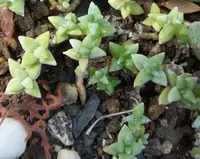
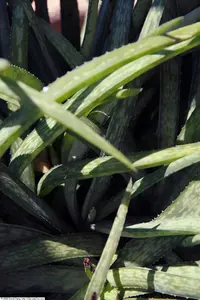
Sempervivum caucasicum is a small, hardy succulent from mountainous regions of the Caucasus, often grown as a rock garden or container plant. It forms tight rosettes of fleshy, pointed leaves that slowly multiply into low, spreading clusters.

This species is adapted to harsh, dry conditions and poor, stony soils, which makes it forgiving for beginners. Its compact habit and drought tolerance mean it usually stays neat and requires little attention once established.

In cultivation it prefers bright light, good air movement, and fast-draining soil. Understanding how to care for Sempervivum caucasicum starts with mimicking its naturally cool, sunny, and well-drained alpine habitat.

Main Plant Requirements

Care Difficulty

Easy Care

Light Preference

Full Sun

Water Requirements

Low Water

Temperature Preference

Cold Hardy

Hardiness Zone

4–9

Soil Texture

Sandy, Loamy, Rocky

Soil pH

Slightly acidic (6.5–7.0), Slightly alkaline (7.0–7.5)

Soil Drainage

Well-drained

Fertilization

Minimal (feed rarely)

Get Personalized Care Plan

Scan your plant to receive care tips personalized for your specific plant

Available on iOS and Android

How to Care for the Sempervivum caucasicum

This alpine succulent thrives in bright outdoor conditions with strong sun exposure.

  • Provide 6–8 hours of direct sun daily; morning to early afternoon sun develops compact rosettes and stronger leaf color in Sempervivum caucasicum.
  • Allow light afternoon shade in very hot summers, especially in zones with intense sun, to reduce leaf scorch and browning tips.
  • In winter, full sun is still beneficial; avoid dense shade from structures or evergreens that leads to stretched, loose rosettes.

This species prefers infrequent, deep watering and very fast-draining soil.

  • Water only when the top 3–5 cm of soil are completely dry; in many climates this means every 1–3 weeks during active growth.
  • Use gritty, sharply draining soil or a rock garden setting so water runs through quickly, preventing root rot and mushy, translucent leaves.
  • Reduce watering strongly in fall and winter, giving just enough to prevent full shriveling of lower leaves while keeping the root zone mostly dry.

This hardy rosette succulent tolerates a wide temperature range with best growth in cool to mild conditions.

  • Optimal growth occurs around 55–75°F (13–24°C), especially in spring and early summer with good air movement.
  • Mature plants tolerate cold down to about -20°F (-29°C) in well-drained soil, but repeated freeze–thaw in wet ground increases crown rot risk.
  • In hot summers above 90°F (32°C), provide afternoon shade and excellent airflow to limit heat stress, leaf bleaching, and slowed growth.

This species thrives in dry air and does not need elevated humidity.

  • Aim for 20–40% humidity, similar to a dry, heated indoor room or exposed outdoor site.
  • Tolerates very dry air; issues usually arise only if combined with prolonged soil moisture.
  • High humidity with cool, wet soil can cause leaf rot and fungal spots on Sempervivum caucasicum; improve air flow instead of misting.

Sempervivum caucasicum prefers very fast-draining, mineral-based soil that mimics rocky slopes.

  • Use a gritty mix such as 50–70% mineral material (coarse sand, fine gravel, pumice, or perlite) with 30–50% low-organic cactus mix.
  • Keep drainage very sharp; water must pass through within seconds and not leave the mix heavy or compacted.
  • Aim for slightly acidic to neutral pH around 6.0–7.0, avoiding strongly acidic or alkaline extremes.
  • Avoid dense peat, clay-heavy soil, or mixes that stay wet for more than 1 day; add extra grit to improve aeration and prevent root rot.

This rosette-forming succulent grows very well in shallow containers and troughs.

  • Choose a wide, shallow pot so offsets can spread horizontally without trapping moisture deep in the substrate.
  • Use unglazed terracotta or similarly porous material to speed evaporation where rainfall or watering is frequent.
  • Elevate the container or use pot feet to let drainage holes clear freely, preventing water from pooling under the base.

This alpine succulent needs minimal feeding, as Sempervivum caucasicum is adapted to poor, stony soils.

Pruning focuses on hygiene and appearance rather than shaping this naturally compact rosette-forming plant.

  • In late spring or after flowering, remove dried rosettes that have bloomed and died using fingers or small snips.
  • Gently pull away dead, shriveled leaves at the rosette base to improve airflow and reduce rot risk.
  • Thin out badly crowded offsets only if needed to prevent shading and to maintain individual rosette shape.

This species is slow-growing and usually needs repotting or transplanting only occasionally.

  • Repot or lift and divide when roots circle the pot, growth stalls, or rosettes overflow container edges.
  • Plan moves for spring or early fall, avoiding extreme heat or freezing conditions.
  • Typically shift to a slightly wider, shallow pot every 3–4 years, using very gritty, fast-draining mix.
  • Handle rosettes by their base, tease roots gently apart, and keep soil barely moist for 7–10 days after moving.

Offsets provide the most reliable way to increase Sempervivum caucasicum, with seeds used mainly for breeding or large-scale sowings.

  • In spring or early summer, detach offsets that show their own roots from the mother rosette.
  • Plant each offset into a gritty, well-drained mix and keep in bright light with minimal watering until established.
  • For seeds, surface-sow on a sandy mix, keep lightly moist, and provide cool conditions to encourage germination.

This hardy succulent tolerates substantial frost in the ground, so outdoor clumps usually need little specific winter care.

  • In regions with wet winters, ensure sharp drainage to prevent waterlogging and crown rot.
  • Avoid heavy organic mulches that stay wet; use a thin gravel top-dressing instead.
  • Move small containers under a cold, bright, sheltered spot or unheated porch to reduce freeze–thaw stress.

Care Tips

Offset division timing

Lift and divide offsets in late spring, when roots are actively growing, so transplanted rosettes establish quickly before high summer heat or winter cold.

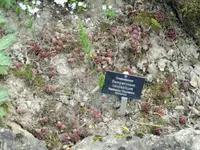
Rock crevice planting

Tuck rosettes into narrow rock crevices or between pavers with a gritty substrate to stabilize the shallow root system, improve drainage, and protect crowns from rot.

Winter wet protection

In regions with wet winters, place containers under an eave or use a simple clear rain shield to keep crowns relatively dry while still exposed to cold and light.

Crowd management

Every 1–2 years, thin out congested, shaded inner rosettes to maintain airflow across the mat and reduce the risk of fungal issues and dieback.

Container depth choice

Use wide, shallow containers (10–15 cm deep) with multiple drainage holes to mimic the plant’s natural shallow rooting habit and simplify caring for Sempervivum caucasicum in small spaces.

Common Pests and Diseases

Mealybugs

This pest appears as white, cottony clumps tucked between rosettes and along leaf bases, often causing stunted growth and sticky honeydew. Symptoms include distorted new offsets and sooty mold growing on the excreted honeydew.

Solution

Isolate the plant, then remove visible insects with a cotton swab dipped in 70% isopropyl alcohol and gently flush tight rosette centers with a strong stream of water. For persistent infestations, apply a neem oil or insecticidal soap spray labeled for succulents, repeating every 7–10 days and improving airflow and light levels to reduce reinfestation while caring for Sempervivum caucasicum.

Vine weevils

These insects cause notched, chewed leaf edges on adult plants, while their larvae feed on roots and the base of rosettes, leading to sudden plant collapse. Symptoms include loose, wobbly rosettes that pull up easily with damaged roots.

Solution

Hand-pick adult beetles at night using a flashlight and shake them from pots onto a tray for disposal. For larvae, repot severely affected plants, discard the infested soil, and apply a biological control such as nematodes (Steinernema or Heterorhabditis species) according to label directions, keeping the soil slightly moist during the treatment period.

Aphids

These insects cluster on young rosettes and flower stalks, sucking sap and causing curling, yellowing, and distorted growth along with sticky honeydew. Sooty mold may develop on the honeydew, making plants look dirty and dull.

Solution

Rinse the plant thoroughly with a firm stream of water, paying special attention to flower stalks and rosette centers, and repeat every few days until numbers drop. If needed, follow with an application of insecticidal soap or neem oil on all plant surfaces, and reduce excess nitrogen fertilization, which encourages soft, aphid-prone growth.

Rust

This disease presents as small, orange to brown pustules or spots on leaves, often starting on older foliage in poorly ventilated, damp conditions. Symptoms include premature leaf yellowing and cosmetic damage that can spread across tight rosettes.

Solution

Remove and discard affected leaves, then ensure the plant sits in a dry, sunny, well-ventilated position and avoid overhead watering so leaves dry quickly. In severe or recurring cases, apply a sulfur- or copper-based fungicide labeled for ornamental succulents, treating surrounding plants as well and spacing rosettes to improve airflow.

Crown rot

This disease starts at the rosette base where water sits, leading to a soft, brown, mushy center while outer leaves may initially look unaffected. Symptoms include a collapsing rosette that separates easily from the base when pulled.

Solution

At the first signs, remove the plant from the soil, cut away all soft, discolored tissue, and attempt to save only firm, healthy offsets for re-rooting in fresh, gritty, fast-draining mix. Adjust care by using shallow, well-drained containers, watering only when the mix is dry, and avoiding water pooling in the rosette during cool, humid weather.

Interesting Facts

Caucasus alpine specialist

This species is naturally restricted to rocky, high-altitude habitats of the Caucasus region, where it grows in crevices and shallow scree pockets exposed to strong sun and wide temperature swings.

Compact, mat-forming rosettes

It forms dense cushions of small, tightly packed rosettes that help protect the growing points from cold winds and mechanical damage by shifting gravel in its native mountain sites.

Cold-adapted succulent leaves

Its succulent, water-storing leaves are not only drought adaptations but also buffer the tissues against freezing and thawing cycles typical of its montane environment.

FAQs about Sempervivum caucasicum

This species spreads slowly by producing offsets around the main rosette. Over several years it can form a dense mat, but it is not considered aggressive and is usually easy to keep within defined borders.

Grow Healthy Plants with Botan Care

Keep your plants happy and healthy with plant identification, disease detection, and easy care guidance.

Botan plant care app — identify plants on mobile

Explore More Plants