Scilly Pigmyweed Care (Crassula decumbens)

Also known as: Cape Crassula, spreading crassula, Rufous Stonecrop
Scilly Pigmyweed

About Scilly Pigmyweed

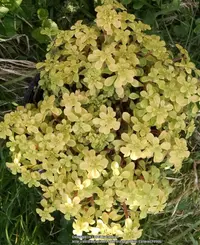
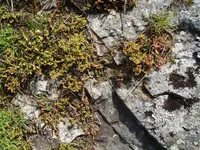
Scilly pigmyweed, Crassula decumbens, is a small, low-growing succulent in the stonecrop family. It forms flat, spreading mats with tiny, fleshy leaves and delicate star-like flowers. Native to South Africa and naturalized in some coastal regions, it usually grows in sandy, rocky, or disturbed soils with good drainage.

This species stays compact and is generally undemanding, which makes it suitable for trays, rock gardens, and small pots. It prefers bright light, lean gritty soil, and careful watering that avoids long periods of saturation. These traits make it relatively easy to grow once its need for drainage is understood and can help guide how to care for Scilly Pigmyweed.

Main Plant Requirements

Care Difficulty

Easy Care

Light Preference

Full Sun

Water Requirements

Low Water

Temperature Preference

Warm Climate

Hardiness Zone

9–11

Soil Texture

Sandy, Loamy, Rocky

Soil pH

Slightly acidic (6.5–7.0), Neutral (7.0)

Soil Drainage

Well-drained

Fertilization

Minimal (feed rarely)

Get Personalized Care Plan

Scan your plant to receive care tips personalized for your specific plant

Available on iOS and Android

How to Care for the Scilly Pigmyweed

Crassula decumbens prefers bright, cool sun similar to its natural coastal habitat.

  • Provide 4–6 hours of direct morning sun with light shade or filtered light from early afternoon, especially in hotter inland areas.
  • Tolerates light partial shade (bright open shade or dappled light) but stems may stretch and foliage dull if light drops much below this.
  • In summer, protect Scilly Pigmyweed from intense midday sun to reduce leaf scorch; in winter, shift to a more open, south-facing exposure to maximize light.

This shallow-rooted succulent needs infrequent, thorough watering and fast-draining soil.

  • Allow the top 2–4 cm of soil to dry fully before watering; in sandy ground this may mean watering every 7–14 days in warm weather, less often in cool seasons.
  • Use gritty, sharply draining soil or a succulent mix over a slope or raised area so excess water runs off quickly and roots do not sit in soggy conditions.
  • Watch for overwatering signs such as soft, translucent leaves and blackened stems, and underwatering signs such as wrinkled, thin leaves that do not plump up after a deep soak.

This species prefers mild, frost-free conditions and dislikes temperature extremes.

  • Aim for 60–75°F (16–24°C) during active growth for compact foliage and steady rooting, with good air movement around the plant.
  • Crassula decumbens tolerates brief dips to about 30–32°F (-1–0°C) if soil is dry, but foliage damage and dieback increase with repeated or prolonged frosts.
  • In hot climates, growth slows above 90°F (32°C); provide afternoon shade and avoid heat-reflective surfaces to limit stress and leaf scorch in midsummer.

This species stays healthy in typical indoor humidity if extremely damp air is avoided.

  • Target 30–50% humidity, which suits its naturally dry-adapted succulent tissues.
  • Dry household air is usually tolerated, but prolonged exposure above 60% can encourage rot around the stem base.
  • Watch for soft, translucent leaves and blackened leaf bases as signs of excess humidity and poor air movement.
  • For Scilly Pigmyweed, improve air flow with a small fan rather than adding trays of water or humidifiers.

Crassula decumbens prefers a lean, very free-draining mineral-based substrate.

  • Use a cactus or succulent mix amended with extra coarse sand or fine grit to create a gritty, fast-draining texture.
  • Aim for a slightly acidic to neutral pH around 6.0–7.0, avoiding strongly acidic or alkaline blends that can limit nutrient availability.
  • Include 30–50% inorganic components such as pumice, perlite, or small gravel to keep pore spaces open and oxygen around the roots.
  • Avoid dense peat-based or clay-heavy mixes that stay wet for more than 1–2 days, as this greatly increases the risk of root and stem rot.

This low, spreading succulent is very suitable for container growing.

  • Choose a shallow, wide pot so the mat-forming stems can spread while the relatively small root system remains well aerated.
  • Select unglazed terracotta if extra evaporation is needed, especially in cooler or lower-light positions where the mix dries more slowly.
  • Raise the pot slightly on feet or mesh so drainage holes stay clear and excess water escapes quickly after each watering.

Crassula decumbens is a small, low‑nutrient succulent that benefits from light feeding during active growth.

  • Use a diluted balanced liquid fertilizer (such as 10‑10‑10) at 1/4–1/2 strength for caring for Scilly Pigmyweed in pots.
  • Feed once every 4–6 weeks in spring and summer when growth is active.
  • Avoid fertilizing in fall and winter, or apply at most a very weak solution once during late winter.
  • Choose cactus/succulent fertilizer or well‑matured compost tea rather than rich, fast‑release products.

Crassula decumbens needs only light pruning to maintain a compact, tidy mat of foliage.

  • Best time for pruning is late winter to early spring, just before new growth begins.
  • Remove dead, damaged, or stretched stems with clean, sharp scissors or small snips.
  • Pinch or cut back leggy shoots to encourage branching and a denser, low cushion form.
  • Trim lightly after flowering if needed, avoiding removal of more than 1/3 of the foliage at once.

This shallow‑rooted succulent prefers infrequent repotting and careful handling to limit root disturbance.

  • Repot every 2–3 years or when roots circle the pot base, growth slows, or the mix dries out very quickly.
  • Choose late winter or early spring so Crassula decumbens can recover during the growing season.
  • Use a shallow container with free‑draining cactus mix, and gently loosen the root ball without breaking fine roots.
  • Water lightly after repotting, then allow the mix to dry almost completely before the next watering to reduce stress.

Crassula decumbens is commonly propagated from stem or leaf cuttings, with seed as a slower alternative.

  • Take short, healthy stem tips or firm leaves in spring or early summer.
  • Allow cut surfaces to callus for 1–2 days in a dry, shaded place before planting.
  • Set cuttings on or just in a gritty, barely moist cactus mix with bright, indirect light.
  • Keep temperatures around 65–75°F and avoid overwatering; roots usually form within several weeks.

Crassula decumbens prefers cool, dry winter conditions and is only moderately tolerant of frost.

  • In regions below about 25–30°F, grow in containers and move indoors to a bright, cool room for winter.
  • Keep soil almost dry during the coldest months to reduce rot risk in semi‑dormant plants.
  • If grown outdoors in mild climates, use a gritty, raised bed and a light gravel mulch to keep crowns dry.

Care Tips

Pinch For Bushiness

Regularly pinch back soft stem tips with clean fingers or scissors to keep the mat low, encourage side shoots, and prevent the plant from becoming sparse in the center.

Controlled Spreading Edges

In containers, trim or lift and replant outer runners every few months to keep the plant neatly within its pot and maintain an even, dense carpet.

Winter Light Rotation

In winter, rotate pots by 90° every 1–2 weeks so all sides receive similar light and the plant does not stretch or lean in one direction.

Targeted Pest Checks

Inspect joints between leaves and stems and the underside of the fleshy foliage every few weeks, and remove any mealybugs or aphids promptly with a cotton swab dipped in isopropyl alcohol.

Division For Renewal

Every 1–2 years, gently lift and divide thick, woody mats into smaller sections, discarding any dead central parts and replanting only the firm, well-rooted outer pieces to keep the planting vigorous when growing Scilly Pigmyweed.

Common Pests and Diseases

Mealybugs

This pest feeds on succulent leaves and stems, sucking sap and causing stunted, distorted growth and sticky honeydew on the plant surface.

Solution

Isolate the plant, then dab visible insects with cotton swabs dipped in 70% isopropyl alcohol and gently wipe leaf joints and stems; repeat weekly until no new insects appear, and improve light and air movement to reduce reinfestation risk as part of general Crassula decumbens plant care.

Soft scale

These insects appear as small, rounded bumps on stems and leaf undersides, weakening the plant and sometimes leading to yellowing or leaf drop.

Solution

Scrape or wipe off individual scales with a soft cloth or cotton swab moistened with diluted alcohol, then apply an insecticidal soap or horticultural oil spray, ensuring thorough coverage of stems and leaf undersides and repeating after 7–10 days if needed.

Spider mites

This pest thrives on dry, warm windowsills, causing fine webbing, pale stippling, and a dull, dusty look to the foliage.

Solution

Rinse the plant under a gentle stream of lukewarm water, focusing on leaf undersides, then use an insecticidal soap or neem oil spray applied every 5–7 days for several cycles while also slightly increasing ambient humidity and avoiding overly hot, dry spots.

Edema

Symptoms include small corky or blister-like patches on leaves when roots take up water faster than foliage can transpire, which is common in compact, water-retentive substrates.

Solution

Allow the soil to dry more thoroughly between waterings, use a very free-draining succulent mix, and avoid sudden large waterings after a dry period, aiming for consistent but moderate moisture and good air flow around the plant.

Leaf scorch

Symptoms include bleached, brown, or crispy patches on leaves, especially on tissue suddenly exposed to intense direct sun or reflected heat through glass.

Solution

Move the plant to bright light with only gentle morning or late-afternoon sun, introduce stronger sun exposure gradually over 1–2 weeks, and remove only the most severely damaged leaves once new, healthy growth has established in the adjusted position.

Interesting Facts

Prostrate annual habit

This species is an annual succulent that grows prostrate or decumbent along the ground, forming low, mat-like patches rather than upright stems, which helps it avoid damage from wind and grazing in its native habitats.

Tiny star-shaped flowers

It produces very small, 4-petalled, star-shaped white to pale pink flowers, which are typically only a few millimeters across and often go unnoticed unless examined closely.

Wide native range

Although often associated with southern Africa, this species has a naturally broad distribution that also includes parts of Australia, showing a capacity to thrive in different seasonal rainfall patterns and soil types.

FAQs about Scilly Pigmyweed

This species forms a low, mat-like patch and spreads gradually by short, trailing stems. It is not considered aggressive and is easy to keep within boundaries with light edging or occasional thinning of outer stems.

Grow Healthy Plants with Botan Care

Keep your plants happy and healthy with plant identification, disease detection, and easy care guidance.

Botan plant care app — identify plants on mobile

Explore More Plants