Control rosette spread
Rotate the pot 90° every 2–3 weeks so the rosette develops evenly and does not lean or twist toward a single light source, which helps keep the plant compact and structurally balanced.

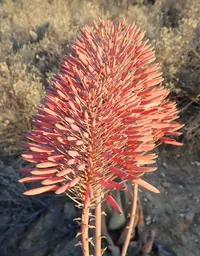
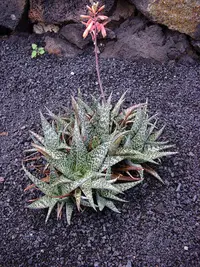
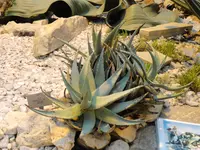
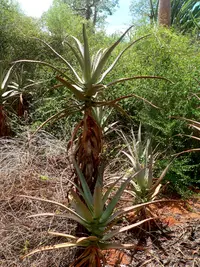
Christmas aloe (Aloe comptonii) is a small, clump-forming succulent known for its fleshy, toothed leaves and colorful winter to spring flowers. It stays compact, which makes it suitable for containers and small indoor collections.
This species is native to South Africa, where it grows in rocky, well-drained habitats with bright light and low to moderate rainfall. It adapts well to indoor and patio conditions if excess moisture is avoided.
Aloe comptonii is generally considered easy to grow for those who understand basic succulent needs. Good drainage, bright indirect light, and careful watering are the key points in how to care for Christmas Aloe.

Care Difficulty
Moderate Care

Light Preference
Full Sun

Water Requirements
Low Water

Temperature Preference
Warm Climate

Hardiness Zone
9–11

Soil Texture
Sandy, Loamy, Rocky

Soil pH
Slightly acidic (6.5–7.0), Neutral (7.0)

Soil Drainage
Well-drained

Fertilization
Minimal (feed rarely)
Scan your plant to receive care tips personalized for your specific plant
Available on iOS and Android
This South African aloe needs bright, mostly direct sun to keep its compact form and leaf color.
This succulent stores water in its leaves and prefers thorough but infrequent watering.
This species thrives in warm, dry conditions and dislikes prolonged cold or frost.
Humidity plays only a minor role for Aloe comptonii, which thrives in dry indoor air.
This species needs a sharply draining, mineral-rich mix to prevent root and crown rot.
This species is well suited to container growing when drainage and stability are managed carefully.
Aloe comptonii benefits from light, infrequent feeding in a fast-draining, low-organic mix.
Aloe comptonii needs minimal structural pruning but benefits from periodic removal of old or damaged growth.
This aloe grows slowly and prefers a slightly tight pot, so repotting is only needed occasionally.
Division of offsets is the most practical way to increase Aloe comptonii plants for home growers.
This aloe dislikes prolonged freezing and benefits from simple winter protection in colder regions.

Plant Health Check
Not sure what's wrong with your plant? Check your plant's health inside the app.
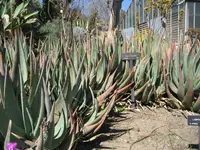
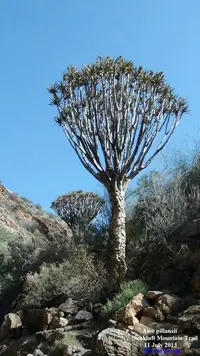
This species naturally grows on rocky sandstone and shale slopes in South Africa, often forming dense clumps that anchor into crevices and shallow pockets of gritty soil.
Its narrow, arching leaves can shift from green to bronze or reddish tones under strong light and seasonal dryness, an adaptation that reduces light stress by reflecting more sunlight.
In parts of its native range, this species is known to hybridize with nearby aloes, producing natural hybrids that show intermediate leaf shapes and flower characteristics.
Lack of flowers usually comes from insufficient light, cool-season stress, or a plant that is still immature. Provide strong light, avoid heavy fertilizing in late summer–fall, and keep the rosette healthy so it can store enough energy.
Keep your plants happy and healthy with plant identification, disease detection, and easy care guidance.