Optimize pot shape
Use a wide, shallow pot rather than a deep one to keep the root zone well aerated and reduce the risk of rot in this shallow‑rooted rosette succulent.

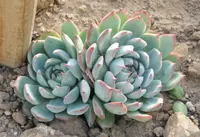
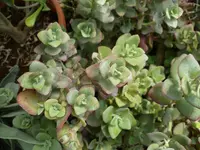
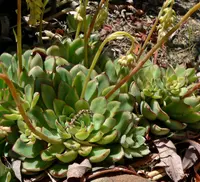
Echeveria chihuahuaensis is a compact rosette-forming succulent known for its tight, symmetrical shape and thick, pointed leaves. The foliage is usually pale blue-green with pink to red leaf tips in strong light.
This species is native to arid regions of Mexico, where it grows in well-drained, rocky soils with bright sun and low rainfall. It stays relatively small, which makes it suitable for containers, mixed succulent planters, and indoor windowsills with enough light.
Its drought tolerance and slow, tidy growth habit make it a relatively easy plant for beginners who want to care for Echeveria chihuahuaensis. It prefers bright light, sparse watering, and gritty soil that dries quickly between waterings.

Care Difficulty
Easy Care

Light Preference
Full Sun

Water Requirements
Low Water

Temperature Preference
Tropical / Frost Sensitive

Hardiness Zone
9–11

Soil Texture
Sandy, Loamy, Rocky

Soil pH
Slightly acidic (6.5–7.0), Neutral (7.0)

Soil Drainage
Well-drained

Fertilization
Minimal (feed rarely)
Scan your plant to receive care tips personalized for your specific plant
Available on iOS and Android
This compact rosette succulent needs bright, mostly direct light to stay dense and colorful.
This species prefers deep, infrequent watering that fully dries between soakings.
This succulent prefers warm, dry conditions with protection from frost and extreme heat.
This species prefers relatively dry air and rarely needs extra humidity.
This succulent needs a very fast-draining, mineral-based soil to avoid root rot.
This species is well suited to container growing when excess water can drain quickly.
This compact succulent needs only modest feeding to maintain healthy, compact rosettes.
This species needs minimal pruning, mainly to keep rosettes tidy and prevent rot.
This slow-growing succulent prefers infrequent repotting and benefits from careful handling when moved.
This species is commonly propagated to expand collections or replace aging rosettes.
This succulent is frost sensitive and needs protection in regions with freezing winters.

Plant Health Check
Not sure what's wrong with your plant? Check your plant's health inside the app.
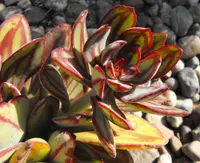
Its compact rosettes are naturally blue-green but develop pink to coral edging under strong light and cooler temperatures due to increased production of protective pigments called anthocyanins.
The leaves carry a noticeable waxy bloom, or epicuticular wax, that reduces water loss and sun damage, which makes this species especially suited to bright, dry environments.
It produces many basal offsets close to the mother rosette, forming dense, mound-like clusters rather than long-stemmed spreads typical of some related species.

This species was originally described from plants collected near Chihuahua, Mexico, and its precise natural range appears to be quite limited, which makes wild populations of this distinctive rosette succulent of particular interest to botanists studying regional endemism in Mexican Echeveria.
Leggy growth usually means insufficient light. The stem stretches toward the light source, and leaves space out. Gradually move the plant to a brighter spot and rotate the container regularly to keep the rosette compact.
Keep your plants happy and healthy with plant identification, disease detection, and easy care guidance.