Cauliflower Storksbill Care (Pelargonium alternans)

Cauliflower Storksbill

About Cauliflower Storksbill

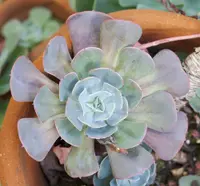
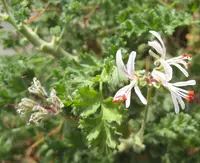
Cauliflower storksbill, Pelargonium alternans, is a small, shrubby succulent geranium valued for its compact form and unusual, often wavy or divided leaves. Many forms develop tight, cauliflower-like foliage clusters, giving the plant a distinctive texture in containers or rock gardens.

This species is native to arid regions of South Africa, where it experiences strong light, good airflow, and fast-draining, gritty soils. Its drought tolerance and slow, tidy growth make it suitable for growers with limited space who want to learn how to care for Cauliflower Storksbill.

It generally prefers bright light, low to moderate watering, and a very free-draining mix, which helps reduce the risk of root problems in indoor or greenhouse conditions.

Main Plant Requirements

Care Difficulty

Moderate Care

Light Preference

Full Sun

Water Requirements

Low Water

Temperature Preference

Tropical / Frost Sensitive

Hardiness Zone

10–11

Soil Texture

Sandy, Loamy, Rocky

Soil pH

Slightly acidic (6.5–7.0), Slightly alkaline (7.0–7.5)

Soil Drainage

Well-drained

Fertilization

Minimal (feed rarely)

Get Personalized Care Plan

Scan your plant to receive care tips personalized for your specific plant

Available on iOS and Android

How to Care for the Cauliflower Storksbill

This species prefers bright, direct light for compact growth and good flowering.

  • Provide 6–8 hours of sun daily, ideally with strong morning sun and lighter afternoon exposure to reduce leaf scorch risk.
  • It tolerates light partial shade, but Cauliflower Storksbill grown with less than 4–5 hours of direct sun often becomes leggy with fewer blooms.
  • In hot summers, protect from intense midday sun using filtered light or a slight setback from south-facing exposures, especially in dry, reflective sites.

Watering should balance this plant’s drought tolerance with its dislike of prolonged wet soil.

  • Irrigate when the top 2–3 cm of soil are completely dry, using deep watering, then allow excess to drain away fully.
  • In spring and summer, expect more frequent watering; in cooler months, extend the dry period and water only when leaves just begin to lose firmness.
  • Use sharply draining soil to prevent root rot; signs of overwatering include yellowing, mushy stems, while very dry Pelargonium alternans shows drooping, thin leaves.

This geranium prefers warm, dry conditions and does poorly in prolonged cold or frost.

  • Aim for 65–80°F (18–27°C) during active growth for best flowering and compact habit.
  • Protect from temperatures below 40°F (4°C); light frost can damage foliage, and a hard freeze below 32°F (0°C) may kill the plant.
  • It tolerates short heat spells up to about 90–95°F (32–35°C) if soil is not waterlogged and some afternoon shade reduces leaf stress.

This species prefers relatively dry air and usually thrives in typical indoor humidity.

  • Aim for 30–50% humidity, which suits the semi-arid origin of Cauliflower Storksbill.
  • Plant tolerates heated, dry rooms but may show brown leaf edges if humidity drops below 25%.
  • Increase humidity only slightly, if needed, by placing the pot near other plants or above a pebble tray without wetting foliage.

Pelargonium alternans prefers a light, fast-draining mix that dries quickly between waterings.

  • Use a sandy, gritty mix such as 50% cactus/succulent soil with 25% coarse sand and 25% perlite or pumice.
  • Ensure the structure stays open and airy so water runs through in seconds and roots receive constant oxygen.
  • Keep soil slightly alkaline to neutral, around pH 7.0–7.5, avoiding peat-heavy, highly acidic mixes.
  • Avoid compacted, water-retentive substrates or saucers that stay wet, which promote root rot and stem base rot.

This species is well suited to container growing in bright, dry conditions.

  • Choose a slightly snug pot to prevent excess unused substrate that would stay wet around the fine roots.
  • Select a heavy clay or terracotta container to reduce tipping risk as stems elongate and to let the mix dry faster.
  • Raise the pot on small feet so drainage holes remain clear and water cannot pool under the container base.

Pelargonium alternans responds well to light, consistent feeding during the active growing season.

  • Use a balanced liquid fertilizer (for example 10-10-10) at 1/4–1/2 strength every 2–4 weeks in spring and summer.
  • Alternatively, apply a small amount of slow-release fertilizer at the start of the growing season for Cauliflower Storksbill in containers.
  • Avoid heavy, rich compost layers that keep the mix wet; this species prefers lean, well-drained soil.
  • Stop feeding in fall and winter when growth slows, to prevent soft, weak shoots and root stress.

Pelargonium alternans benefits from light, periodic pruning to maintain a compact, flowering shape.

  • Schedule main pruning in late winter or very early spring before vigorous new growth starts.
  • Use clean, sharp scissors or pruners to remove dead, damaged, or crossing stems back to healthy tissue.
  • Pinch or trim soft tips after a flush of growth to encourage bushier branching and more flowering shoots.
  • After flowering, shorten overly long or leggy stems by 1/3 to keep the plant dense and well-shaped.

Container-grown Pelargonium alternans prefers slightly snug pots and only occasional repotting.

  • Check for roots circling the pot base, pushing through drainage holes, or slow growth as signals to move up 1 pot size.
  • Plan repotting or transplanting for late winter to early spring, just as active growth is about to resume.
  • Typically repot every 2–3 years, refreshing with a sharp-draining, low-organic mix rather than a heavy peat compost.
  • Water lightly after shifting, keep out of intense sun for 3–5 days, and avoid disturbing roots again until new growth appears.

New Pelargonium alternans plants are most often produced from stem cuttings under warm, bright conditions.

  • Take 7–10 cm semi-ripe tip cuttings in late spring to late summer, choosing non-flowering shoots.
  • Remove lower leaves, let cut ends dry for several hours, then insert into a very free-draining mix such as sand and perlite.
  • Maintain bright, indirect light, 65–75°F temperatures, and only slight moisture until firm roots form.
  • Seed propagation is possible but slower; sow in a gritty medium, keep evenly just moist, and provide warmth and light.

Pelargonium alternans is frost-tender and needs protection in regions with freezing winters.

  • In climates below 32°F, grow in containers and move plants indoors before the first frost date.
  • Provide a bright, cool indoor spot around 50–60°F, with reduced but consistent light and minimal watering.
  • Outdoors in mild zones, use a very free-draining site and a light mineral mulch, avoiding moisture-retentive mulches around the base.

Care Tips

Encourage Bushy Growth

Pinch back soft shoot tips every 3–4 weeks during active growth to encourage dense, compact branching instead of long, weak stems.

Rotate For Even Shape

Turn the pot 90° every 7–10 days so all sides receive similar light exposure and the plant develops a balanced, symmetrical form rather than leaning toward one direction.

Targeted Pest Monitoring

Inspect the undersides of leaves and stem nodes weekly with a hand lens if available, since early detection of aphids or spider mites allows simple removal with a firm water spray or insecticidal soap before infestations build up.

Refresh Top Growth Zone

Each spring, gently loosen and replace the top 2–3 cm of potting mix around the root zone to restore aeration and nutrients without disturbing the deeper roots, which supports healthy regrowth when caring for Cauliflower Storksbill.

Seasonal Pot Positioning

Shift the container slightly farther from windows or reflective surfaces in midsummer to reduce heat and leaf scorch, then move it closer again in fall and winter to maintain adequate light intensity.

Common Pests and Diseases

Geranium rust

This disease produces small yellow spots on the upper leaf surface and dark brown spore pustules on the undersides, leading to premature leaf drop in humid, crowded conditions.

Solution

Remove and discard all visibly infected leaves, avoid overhead watering, and increase spacing and airflow around plants; for recurring issues, use a labeled copper or chlorothalonil fungicide, ensuring thorough coverage of both leaf surfaces and repeating as directed until new growth stays clean.

Botrytis blight

This disease causes soft, water-soaked patches on leaves, stems, and flowers that quickly develop a gray, fuzzy mold, especially in cool, damp conditions.

Solution

Cut off and discard all affected plant parts, reduce humidity, and improve ventilation; allow the soil surface to dry slightly between waterings and, in persistent cases, apply a botrytis-targeted fungicide while keeping dead leaves and spent flowers removed promptly.

Pelargonium bacterial blight

This disease leads to wedge-shaped brown lesions on leaf edges, yellowing, and sometimes sudden stem collapse, spreading rapidly under warm, moist conditions and splashy watering.

Solution

Immediately remove and destroy symptomatic plants or heavily affected stems, avoid overhead watering, disinfect cutting tools with a 10% bleach or 70% alcohol solution, and start any new plants from healthy, certified stock, as chemical control is usually ineffective for Pelargonium alternans plant care.

Aphids

These insects cluster on tender shoots and flower stalks, sucking sap and causing curling, distortion, and sticky honeydew that can lead to sooty mold on leaves.

Solution

Wash colonies off with a strong but controlled stream of water, then treat remaining pests with insecticidal soap or a light horticultural oil, repeating every 5–7 days until no new aphids appear and encouraging natural predators like lady beetles outdoors where possible.

Glasshouse whitefly

This pest is common on indoor and greenhouse plants, with tiny white insects that fly up when disturbed and leave sticky honeydew, causing leaf yellowing and reduced vigor over time.

Solution

Regularly check leaf undersides and remove heavily infested foliage, use yellow sticky traps to monitor and reduce adult numbers, and apply insecticidal soap or horticultural oil to the undersides of leaves every 5–7 days, ensuring consistent coverage until both adults and nymphs decline.

Interesting Facts

Cauliflower-like leaf lobes

This species has very finely divided leaves with swollen, often rounded lobes that give a cauliflower-like appearance, which inspired the common name cauliflower storksbill.

Strongly aromatic foliage

When touched, the leaves release a noticeable scent, a result of essential oil glands that are typical of Pelargonium species but particularly pronounced in this species.

Karoo habitat specialist

Pelargonium alternans is native to arid parts of South Africa, especially the Western and Northern Cape, where it grows in rocky, well-drained sites with low and irregular rainfall.

Botan icon

Did you know?

In cultivation, Pelargonium alternans is popular among collectors of caudiciform and miniature succulent-like plants because its thickened, woody base and compact, intricate foliage create a bonsai-like appearance that is unusual among geranium relatives.

FAQs about Cauliflower Storksbill

Lack of blooms usually comes from insufficient light, nutrient-poor or overly rich soil, or old, spent stems. Regular deadheading, moderate feeding, and occasional pruning of woody growth help redirect energy into forming new flower buds.

Grow Healthy Plants with Botan Care

Keep your plants happy and healthy with plant identification, disease detection, and easy care guidance.

Botan plant care app — identify plants on mobile

Explore More Plants