Fine Stonecrop Care (Crassula expansa)

Fine Stonecrop

About Fine Stonecrop

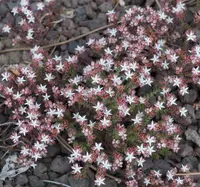
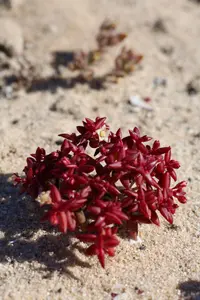
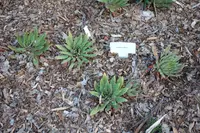
Fine stonecrop (Crassula expansa) is a small, mat-forming succulent known for its tiny, rounded leaves and delicate trailing or spreading stems. It often develops a dense, cushion-like carpet of foliage that can show soft pink or reddish tones in bright light.

This species is native to southern Africa, where it grows in rocky, well-drained habitats. Its drought tolerance and compact size make it suitable for small pots, mixed succulent planters, and terrariums with good ventilation.

Crassula expansa stays relatively low and is considered easy to manage if excess moisture is avoided. Those who want to learn how to care for Fine Stonecrop should focus on bright light, good drainage, and avoiding overwatering.

Main Plant Requirements

Care Difficulty

Easy Care

Light Preference

Partial Sun

Water Requirements

Low Water

Temperature Preference

Tropical / Frost Sensitive

Hardiness Zone

10–11

Soil Texture

Sandy, Loamy, Rocky

Soil pH

Slightly acidic (6.5–7.0), Neutral (7.0)

Soil Drainage

Well-drained

Fertilization

Minimal (feed rarely)

Get Personalized Care Plan

Scan your plant to receive care tips personalized for your specific plant

Available on iOS and Android

How to Care for the Fine Stonecrop

Crassula expansa prefers bright, indirect light with some direct sun for compact growth.

  • Provide 3–5 hours of gentle morning sun or late-afternoon sun, with bright, filtered light the rest of the day for Fine Stonecrop.
  • Tolerates light partial shade, but stems may stretch and foliage pale if grown in less than 4–5 hours of bright light.
  • Avoid harsh midday summer sun, which can scorch leaves; give a bit more direct sun in weak winter light, especially in cooler climates.

Crassula expansa needs infrequent, careful watering to avoid root rot.

  • Water only when the top 2–4 cm of soil are completely dry, using enough water to moisten the root zone, then drain away excess.
  • In spring and summer, expect to water more often during hot, dry spells; in fall and winter, extend drying periods and water sparingly.
  • Watch for soft, yellowing, translucent leaves as a sign of overwatering, and thin, wrinkled leaves with dry mix as a sign of underwatering; always use sharply draining soil.

This succulent prefers warm, frost-free conditions for reliable growth.

  • Aim for 65–80°F (18–27°C) during active growth, as this range supports steady photosynthesis and compact form.
  • Protect from frost; sustained temperatures below 32°F (0°C) can kill foliage and stems, though brief dips to 30–32°F (-1–0°C) may only cause leaf damage.
  • In hot spells above 90°F (32°C), give light shade and good airflow, and reduce watering frequency slightly while still preventing prolonged drought stress.

This succulent handles typical indoor humidity well and rarely needs special adjustments.

  • Aim for 30–50% humidity; average home conditions suit Fine Stonecrop without extra humidification.
  • Dry air is usually tolerated, but extreme heat plus very low humidity can cause leaf shriveling and slower growth.
  • If leaves pucker or drop while soil moisture is correct, increase humidity slightly by grouping plants or placing a tray of water and pebbles nearby.

This species prefers a lean, fast-draining, mineral-rich mix that dries quickly between waterings.

  • Use a cactus/succulent mix based on sandy or gritty particles, then add extra pumice or perlite for sharper drainage.
  • Aim for slightly acidic to neutral pH around 6.0–7.0, which supports nutrient availability without encouraging rot.
  • Include only a small portion of organic matter such as composted bark, since heavy peat or dense compost holds too much water for Crassula expansa.
  • Avoid clayey, compacted, or water-retentive mixes; improve aeration by mixing in coarse sand or 3–5 mm grit throughout the substrate.

This species is very suitable for container growing, including shallow dishes and balcony planters.

  • Choose a wide, shallow pot to match its mat-forming habit and prevent overly deep, moisture-retentive soil columns.
  • Select unglazed terracotta if extra evaporation is needed, or glazed ceramic if soil dries too fast in a hot, bright position.
  • Ensure large, unobstructed drainage holes and keep saucers emptied promptly so runoff does not wick back into the root zone.

Crassula expansa benefits from light, controlled feeding during its active growing season.

  • Use a balanced liquid succulent fertilizer or general 10-10-10 NPK diluted to 25–50% strength.
  • Apply every 4–6 weeks in spring and summer only, onto already moist soil to avoid root burn.
  • Stop feeding in fall and winter when growth slows, as Fine Stonecrop rests and excess nutrients can cause soft, weak tissues.
  • Avoid heavy compost or rich organic mixes that stay wet, which increase rot risk for the roots.

Pruning Crassula expansa helps maintain a compact mat and encourages branching.

  • Best time is late winter to early spring, just before strong new growth starts.
  • Use clean, sharp scissors or small snips to remove dead, damaged, or leggy stems at the base.
  • Shortening overly long runners encourages denser growth and a more even, ground-hugging shape.
  • Pinch soft tips lightly during the growing season to control spread and keep stems from becoming sparse.

Crassula expansa prefers shallow containers and only needs occasional repotting or transplanting.

  • Repot every 2–3 years in spring when roots circle the pot, drainage slows, or growth becomes weak.
  • Choose a shallow, wider container with large drainage holes and a gritty succulent mix to limit waterlogging.
  • Gently loosen the root ball, remove old compacted soil, and trim any dead or mushy roots with clean tools.
  • After repotting, water lightly once, then let the mix dry almost fully before resuming normal watering to reduce stress.

Crassula expansa is commonly propagated from stem cuttings and small divisions.

  • Take 3–5 cm stem cuttings or break off small clumps in spring or early summer.
  • Allow cut ends to dry and callus for 1–2 days to lower the risk of rot.
  • Set cuttings on or slightly in a gritty, barely moist succulent mix in bright, indirect light.
  • Keep humidity low, avoid overwatering, and expect roots to form within a few weeks under warm conditions.

Crassula expansa is tender and needs careful winter care in regions with frost.

  • Outdoors, it performs best in mild climates; sustained temperatures below 30°F can damage foliage and stems.
  • In cold areas, grow in containers and move plants indoors before the first expected frost date.
  • Indoors, place in the brightest possible window and keep temperatures around 60–75°F with low to moderate watering.
  • For in-ground plantings in marginal climates, use a gritty, fast-draining bed and a light gravel mulch to keep crowns drier in winter.

Care Tips

Pinch For Density

Regularly pinch back soft stem tips between fingers to keep the mat low, dense, and to prevent legginess, especially in high light or after winter stretch.

Segmented Propagation

When repotting or trimming runners, cut longer stems into 3–5 cm segments and lay them on the soil surface so multiple root points form quickly and fill gaps in the pot.

Root-Zone Monitoring

Gently lift or tilt the pot every few months to check that fine roots are not circling tightly; if they are, slice the root mass lightly with a clean knife and shift to a slightly wider container to maintain even growth.

Controlled Sprawling Habit

Use a shallow, wide container and place decorative stones or low edging where you want growth to stop, guiding stems to drape over one side while preventing unwanted spread in other directions.

Cleanliness For Scale

Inspect stems and leaf joints monthly and wipe with a soft brush or cotton pad slightly dampened with water or 70% isopropyl alcohol at the first sign of scale insects, as early removal is key when caring for Fine Stonecrop.

Common Pests and Diseases

Mealybugs

This pest appears as white, cottony clusters in leaf axils and on tender stems, often causing stunted, distorted growth. Symptoms include sticky honeydew and sooty mold on nearby surfaces.

Solution

Isolate the plant, then dab visible insects with cotton swabs dipped in 70% isopropyl alcohol and repeat weekly until clear. Increase air movement, avoid overfertilizing, and, for heavier infestations, use a labeled insecticidal soap or neem oil, ensuring full coverage of leaf undersides and stem joints.

Aphids

These insects cluster on soft new growth and flower stems, sucking sap and causing curling, yellowing, and misshapen leaves. Sticky honeydew and attending ants are common side effects.

Solution

Rinse the plant under a gentle but firm stream of water to remove colonies, repeating every few days as needed. For persistent infestations, apply insecticidal soap or neem oil in the early morning or evening and reduce excessive nitrogen fertilization that encourages very soft growth.

Soft scale

This pest shows as small, rounded, tan to brown bumps firmly attached to stems and leaf midribs, leading to gradual decline and sticky honeydew. Symptoms include weak growth and yellowing leaves over time.

Solution

Scrape or rub off individual scales with a soft cloth or fingernail and prune heavily infested stems. Follow with several applications of horticultural oil or neem oil at label rates to target crawlers, and limit plant crowding to reduce reinfestation risk.

Edema

This physiological disorder causes blister-like, corky or translucent spots on leaves, often on the underside, when roots take up more water than the leaves can transpire. Symptoms include rough, scabby patches that remain even after conditions improve.

Solution

Allow the soil to dry more thoroughly between waterings, especially in cool, low-light conditions, and always use a gritty, fast-draining succulent mix. Improve light levels and airflow around the plant and avoid saucers filled with standing water to prevent recurrence while growing Fine Stonecrop.

Fungal leaf spot

This disease presents as small, dark, water-soaked spots on leaves that may enlarge, merge, and cause localized tissue collapse. Symptoms include leaves yellowing and dropping prematurely in poorly ventilated, humid conditions.

Solution

Remove and discard affected leaves and any debris on the soil surface, then improve spacing, airflow, and light to promote faster drying of foliage. If new spots continue to appear, apply a succulent-safe fungicide according to the label and avoid overhead watering that leaves foliage wet for long periods.

Interesting Facts

Mat-forming growth habit

Crassula expansa naturally forms dense, low mats of tiny leaves and thin stems, allowing it to cover rocky or sandy surfaces efficiently in its native southern African habitats.

Minute succulent leaves

Its leaves are succulent but very small and thin compared with many other Crassula species, an adaptation that helps limit water loss while still allowing rapid coverage of exposed soil.

Tiny clustered flowers

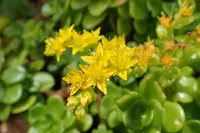
The species produces small, often white to pale pink star-like flowers in loose clusters, which can attract small pollinating insects despite the diminutive size of each bloom.

FAQs about Fine Stonecrop

Leggy growth usually results from insufficient light or older stems stretching over time. Provide brighter conditions, rotate the pot, and lightly trim stems to encourage branching. Regular pinching helps maintain a low, mat-forming shape suitable for hanging or trailing displays.

Grow Healthy Plants with Botan Care

Keep your plants happy and healthy with plant identification, disease detection, and easy care guidance.

Botan plant care app — identify plants on mobile

Explore More Plants