Britton's beargrass Care (Nolina brittoniana)

Britton's beargrass

About Britton's beargrass

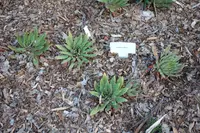
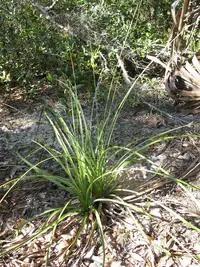
Britton's beargrass, Nolina brittoniana, is a rare, grasslike perennial native to central Florida scrub and sandhill habitats. It forms dense clumps of long, narrow, arching leaves that give a coarse, fountain-like appearance.

In spring, mature plants can send up tall flowering stalks with many small, pale blossoms, followed by dry seed capsules. Its deep root system and natural adaptation to dry, sandy soils make it drought-tolerant but sensitive to poorly drained, heavy substrates.

Because it is a federally listed endangered species, cultivation outside its native range is still limited. Gardeners who want to learn how to care for Britton's beargrass should focus on dry, sunny conditions and sharply draining soil that mimics its natural environment.

Main Plant Requirements

Care Difficulty

Moderate Care

Light Preference

Full Sun

Water Requirements

Low Water

Temperature Preference

Warm Climate

Hardiness Zone

9–11

Soil Texture

Sandy, Rocky, Loamy

Soil pH

Slightly acidic (6.5–7.0), Neutral (7.0)

Soil Drainage

Well-drained

Fertilization

Minimal (feed rarely)

Get Personalized Care Plan

Scan your plant to receive care tips personalized for your specific plant

Available on iOS and Android

How to Care for the Britton's beargrass

This sun-loving grasslike perennial needs high light in open, exposed sites to stay compact and healthy.

  • Provide 6–10 hours of direct sun daily; full sun from morning through midafternoon produces the densest foliage in Britton's beargrass.
  • Accepts light partial shade, especially with 2–4 hours of morning sun, but plants in shade for more than 4–5 hours become thin and may flop.
  • In hot inland summers, some late-afternoon shade helps limit leaf scorch, while in winter an open, unshaded position maximizes low-angle sunlight.

This species is drought-tolerant and prefers infrequent, deep watering once established.

  • Allow the soil to dry at least in the top 5–8 cm before watering; in sandy soils, wait until the soil looks pale and feels loose, not cool or sticky.
  • Use sharply draining soil or a well-drained site; puddling around the base or a sour smell are early signs of overwatering and root stress in Nolina brittoniana.
  • In the growing season, water after prolonged dry spells; in cooler months, reduce watering sharply and only irrigate if leaves curl inward or tips crisp.

This hardy grasslike plant tolerates heat and short cold spells but performs best in warm, arid climates.

  • Optimal growth occurs around 70–90°F (21–32°C), with plants handling dry heat well if soil drainage is excellent and roots are not waterlogged.
  • Mature plants can survive brief drops near 20°F (−6°C), but repeated freezes below 25°F (−4°C) may damage foliage and reduce vigor the following season.
  • In regions with cold winters, site plants in spots that warm quickly in spring, while in hot desert climates some airflow reduces heat stress above 100°F (38°C).

Humidity is a minor factor for Nolina brittoniana, which is adapted to dry, open habitats.

  • Target 30–50% humidity; typical indoor air is usually adequate for Britton's beargrass.
  • It tolerates dry air well, but very hot, dry drafts can cause brown leaf tips and increased leaf shedding.
  • If air is extremely dry, raise humidity slightly by grouping plants together rather than misting, which offers little lasting benefit.

This species prefers very well-drained, sandy to gravelly soil that mimics its native scrub habitat.

  • Use a mix of roughly 50–60% coarse sand or fine gravel with 40–50% gritty cactus mix or loam to keep roots aerated.
  • Aim for slightly acidic to neutral pH (6.0–7.2), avoiding strongly acidic or alkaline substrates that can limit nutrient uptake.
  • Improve drainage by adding mineral components such as pumice or perlite; avoid heavy clay or peat-heavy mixes that stay wet for long periods.
  • For outdoor planting, choose raised beds or slopes so water runs off quickly and the root zone never remains waterlogged.

Nolina brittoniana can be grown in containers if the pot is set up to stay dry and stable around the root zone.

  • Choose a deep, heavy container that resists tipping as the tufted foliage becomes tall and wind-exposed.
  • Ensure multiple unobstructed drainage holes so water exits within seconds after watering, preventing root rot in the dense root mass.
  • Use a tall, narrow pot shape that allows a thick, fibrous root system to extend downward rather than spreading shallowly and circling the walls.

This drought-adapted species needs only light feeding in most garden soils, so caring for Britton's beargrass focuses more on sun and drainage than fertilizer.

  • In lean, sandy soils, apply a balanced slow-release fertilizer or light compost layer once in spring as new growth starts.
  • Use a low to moderate rate, at about half the label strength, to avoid soft, weak foliage and salt buildup around the roots.
  • Skip additional feeding through late summer and fall; excess nutrients can reduce drought tolerance and compact form.
  • Do not fertilize in winter dormancy, especially in cooler regions or when plants are not actively growing.

Pruning Nolina brittoniana is minimal and mainly cosmetic, aimed at removing old foliage and maintaining a clean clump.

  • Best time is late winter to early spring, before strong new growth, when the structure is easy to see.
  • Cut away dead, brown, or damaged leaves at the base using clean, sharp hand pruners or scissors.
  • Thin congested, crossing leaves lightly if needed to refine shape, but keep the natural, arching habit.
  • Avoid cutting into living stems; heavy pruning can slow growth and reduce flowering potential.

This species is most often grown in the ground, where it dislikes frequent disturbance, so transplant only when clearly necessary.

  • Look for signs such as crowded clumps shading each other, poor vigor, or a container root ball with roots circling tightly.
  • Plan transplanting for late winter to early spring, allowing roots a cool, moist period to re-establish before summer heat.
  • For container plants, shift to a slightly larger pot every 3–4 years, using very well-drained, gritty soil to prevent rot.
  • Reduce root stress by watering thoroughly a day before moving, handling the root ball gently, and shading the plant for 1–2 weeks after transplanting.

Propagation of Nolina brittoniana is possible but not typically a routine task for home gardeners, as it establishes slowly.

  • Seed propagation is the primary method; sow fresh, cleaned seed in spring in a fast-draining, sandy mix.
  • Maintain warm temperatures around 70–75°F and moderate moisture; avoid waterlogging to limit fungal issues.
  • Provide bright, indirect light and good air movement; germination can be slow and irregular over several weeks or months.
  • Division of older clumps is sometimes attempted in early spring, but divisions must retain healthy roots and are slow to re-establish.

Nolina brittoniana is fairly cold hardy in much of its range and needs only modest winter care in the landscape.

  • Mature plants tolerate light to moderate frosts, but young plants benefit from a loose mulch layer over the root zone.
  • In regions with prolonged freezes, apply 5–8 cm of dry mulch, keeping it slightly away from the crown to prevent rot.
  • Container plants in colder climates should be moved to a bright, cool, frost-free area and watered sparingly until spring.

Care Tips

Prevent crown rot

Plant slightly higher than the surrounding soil line and keep mulch pulled back 10–15 cm from the stem base to keep the crown dry and reduce fungal rot in heavy rains.

Encourage clump expansion

Remove competing turf and shallow-rooted perennials in a 30–45 cm radius so the plant can slowly expand its clump without battling for surface moisture and nutrients.

Firewise maintenance

In fire-prone regions, trim and remove dead, thatch-like leaves once a year and clear dry debris around the plant to reduce its role as ladder fuel while still preserving the living rosette.

Support in sandy sites

In very loose, sandy soils or dune restorations, install discreet, low sand fencing or temporary windbreaks on the windward side to protect young plants from sandblasting until the root system anchors firmly.

Monitor natural regeneration

After flowering, flag a few seed-bearing plants and check the surrounding soil surface for emerging seedlings over the next 1–2 seasons to assess how well you are growing Britton's beargrass under current site conditions.

Common Pests and Diseases

Scale insects

This pest attaches tightly to leaves and stems, sucking sap and causing yellowing, slow growth, and occasional leaf tip dieback in the stiff grass-like foliage. Infestations on Nolina often appear as small, dome-shaped bumps along the lower leaves and stem bases.

Solution

Physically remove scales by gently scraping with a fingernail or soft brush, then wipe affected areas with a cloth dipped in diluted insecticidal soap or horticultural oil, repeating every 7–10 days until new growth appears clean. Improve light and air movement around the plant to reduce reinfestation and inspect offsets and crown bases regularly, as scales often hide there when caring for Britton's beargrass.

Mealybugs

These insects hide in the tight leaf bases and crown, leaving white cottony clusters, sticky honeydew, and sooty mold on the narrow leaves. Symptoms include distorted new growth and a general decline in vigor if the colony becomes large.

Solution

Use a cotton swab dipped in 70% isopropyl alcohol to dab and dislodge visible mealybugs from leaf axils and the crown, then rinse the plant thoroughly with lukewarm water. Follow up with a light application of insecticidal soap directed into leaf bases every 7–14 days until no new insects or honeydew appear.

Leaf spot

This disease causes small tan to dark brown lesions on the strap-like leaves, often starting on older foliage close to the crown where moisture lingers. Symptoms include scattered spots that may coalesce, leading to partial leaf blight and reduced ornamental quality rather than plant death.

Solution

Remove and discard heavily spotted leaves, especially those touching the soil surface, and avoid overhead watering so foliage dries quickly. Increase spacing and airflow around the clump; if spotting continues in damp conditions, apply a copper- or chlorothalonil-based fungicide labeled for ornamental foliage, following the product directions closely.

Crown rot

This disease affects plants kept in poorly drained, compacted, or frequently wet soil, causing soft, discolored tissue at the crown where leaves emerge. Symptoms include sudden collapse of the central rosette, foul odor at the base, and easy pulling of leaves from a mushy crown.

Solution

Improve drainage immediately by reducing watering, amending soil with coarse mineral material, or relocating the plant to a raised, well-drained site. Remove and discard severely affected plants; for early, mild cases, trim out softened crown tissue, dust cuts with a sulfur-based fungicide, and keep the plant on the dry side while new firm growth develops.

Interesting Facts

Endemic Florida specialist

This species is endemic to central Florida, where it grows almost exclusively on ancient sandy ridges with very well-drained, nutrient-poor soils.

Fire-adapted growth form

It forms dense tufts of narrow leaves and has a woody base that helps it survive periodic wildfires in its scrub and sandhill habitats.

State-listed rare plant

It is listed as endangered in Florida due to habitat loss and fragmentation from development on the high, dry ridges it depends on.

FAQs about Britton's beargrass

Brown tips often result from drought stress, very low humidity, or accumulated salts from fertilizer or hard water. Flush the soil occasionally, water more deeply but less often, and remove only the driest, fully brown tissue.

Grow Healthy Plants with Botan Care

Keep your plants happy and healthy with plant identification, disease detection, and easy care guidance.

Botan plant care app — identify plants on mobile

Explore More Plants